Quick Facts

Best For
History Lovers, Culture Enthusiasts & Photographers

Suitable For
Most Travelers

Main Highlights
Ancient Cities, Temples, Stupas & Ruins

Location
Throughout Sri Lanka
Overview
Sri Lanka has a remarkably rich archaeological heritage shaped by ancient kingdoms, Buddhist traditions, regional trade, sophisticated irrigation, and centuries of architectural development.
Across the island, archaeological sites preserve evidence of ancient cities, monasteries, temples, palaces, fortifications, reservoirs, sculptures, inscriptions, and traditional engineering.
An archaeological tour provides an opportunity to explore these sites while understanding the civilizations that created them.
The Cultural Triangle is particularly important, with major heritage destinations including Anuradhapura, Polonnaruwa, Sigiriya, and Dambulla. These locations showcase different aspects of Sri Lanka’s ancient history, from royal capitals and religious centers to monumental architecture and advanced hydraulic engineering.
However, archaeological heritage extends far beyond the Cultural Triangle. Ancient sites, rock inscriptions, temples, caves, and historic settlements can be found throughout the country.
Traveling with a knowledgeable local guide can make the experience considerably more meaningful by explaining the historical context, architectural techniques, religious symbolism, and archaeological significance of each location.
Highlights
- Explore Sri Lanka’s ancient kingdoms.
- Visit UNESCO World Heritage Sites.
- Discover ancient royal capitals.
- See enormous stupas and dagobas.
- Explore historic temples and monasteries.
- Examine ancient stone carvings and inscriptions.
- Discover ancient irrigation systems.
- Visit archaeological museums and heritage sites.
- Learn about Sri Lanka’s Buddhist history.
- Explore ancient architecture and engineering.
- Photograph remarkable ruins and monuments.
- Learn how ancient Sri Lankan cities were planned and developed.
Why You Should Experience an Archaeological Tour
Sri Lanka’s archaeological heritage provides a fascinating record of more than two thousand years of history.
An archaeological tour allows travelers to look beyond individual monuments and understand how ancient Sri Lankan societies developed cities, religious institutions, agricultural systems, and sophisticated water-management networks.
The experience is particularly rewarding for travelers interested in history because many sites contain multiple layers of cultural and architectural development.
For example, exploring an ancient capital can reveal royal structures, religious complexes, residential areas, reservoirs, roads, and monuments within the same archaeological landscape.
A guide can also help explain details that are easy to miss, such as ancient inscriptions, stone moonstones, guardstones, drainage systems, architectural proportions, and religious symbolism.
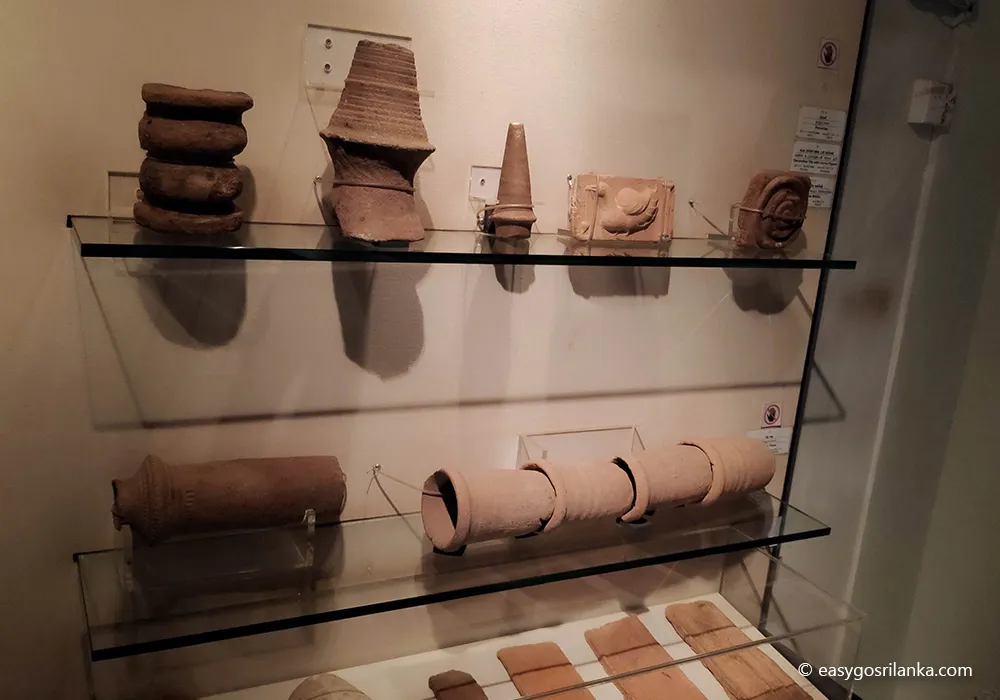
Best Places for Archaeological Tours in Sri Lanka
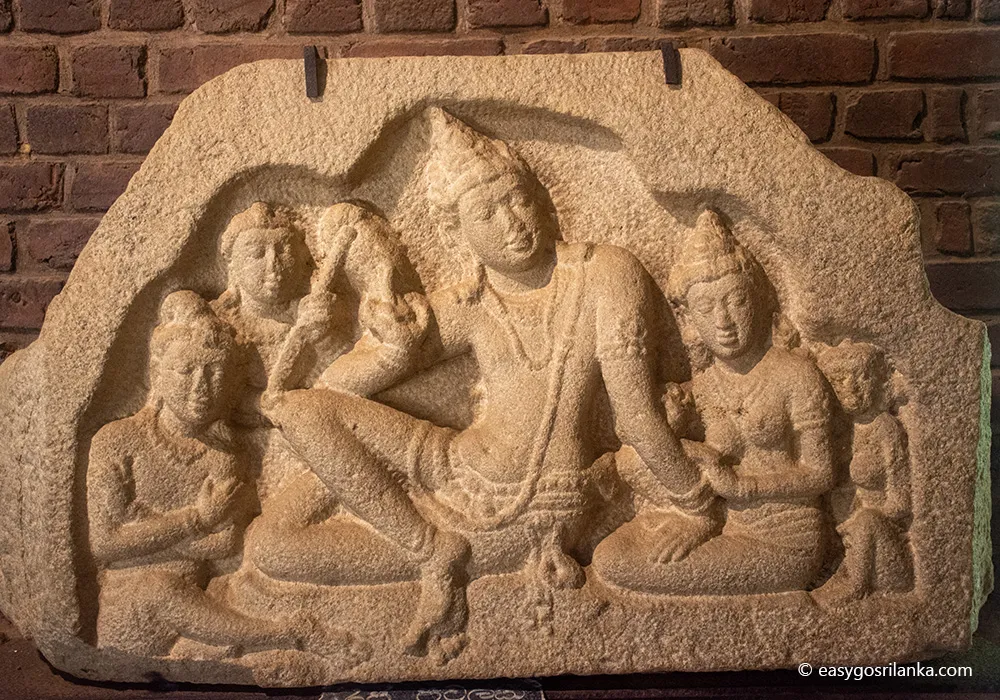
1. Anuradhapura
Anuradhapura was one of Sri Lanka’s great ancient capitals and an important center of Buddhism.
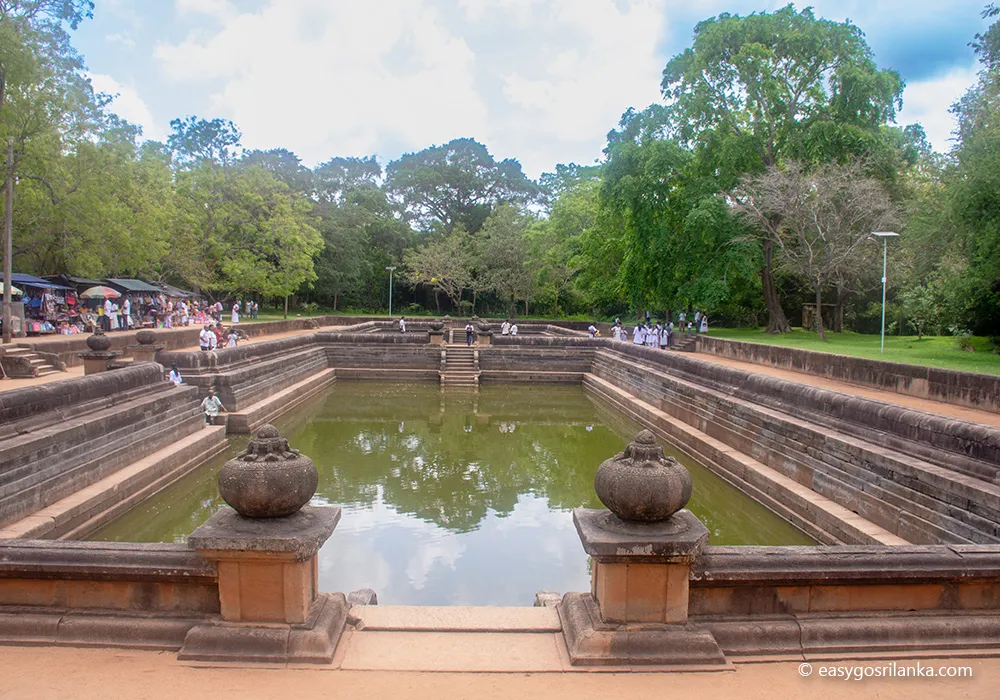
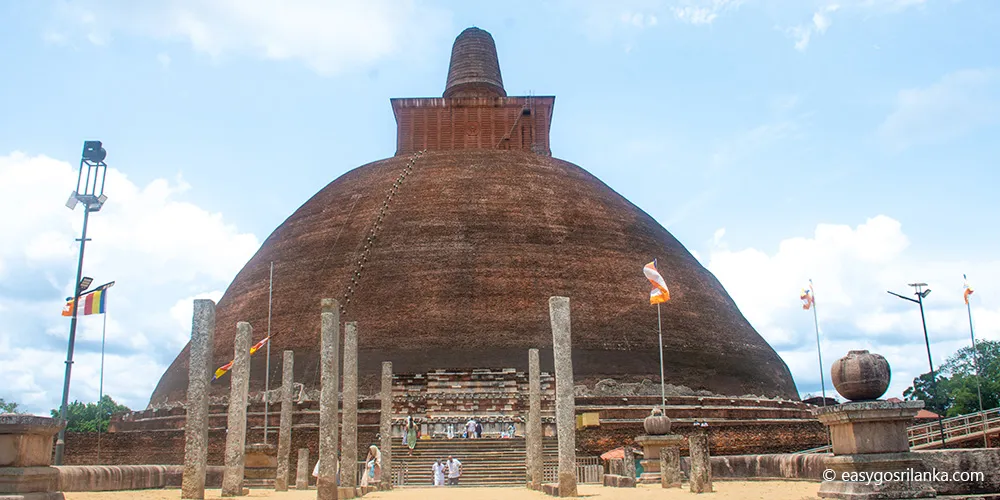
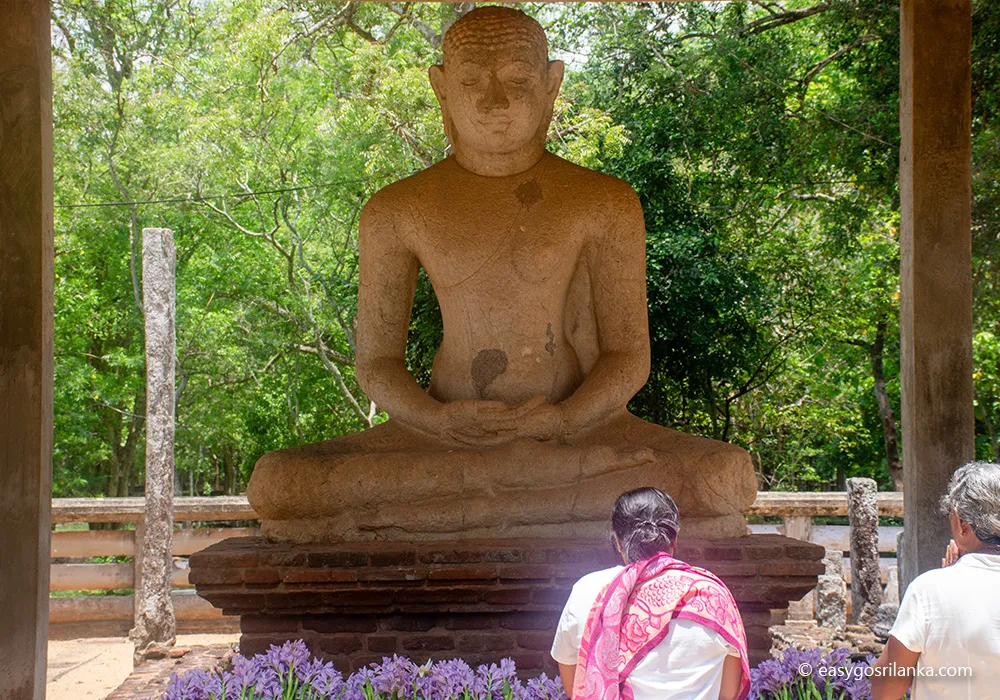
Its archaeological landscape includes enormous stupas, monasteries, temples, stone sculptures, ancient ponds, inscriptions, and sophisticated irrigation structures.
Major sites include:
- Sri Maha Bodhi
- Ruwanwelisaya
- Jetavanaramaya
- Abhayagiri
- Thuparamaya
- Isurumuniya
- Samadhi Statue
- Kuttam Pokuna
Anuradhapura is one of the most important destinations for understanding ancient Sri Lankan civilization.

2. Polonnaruwa
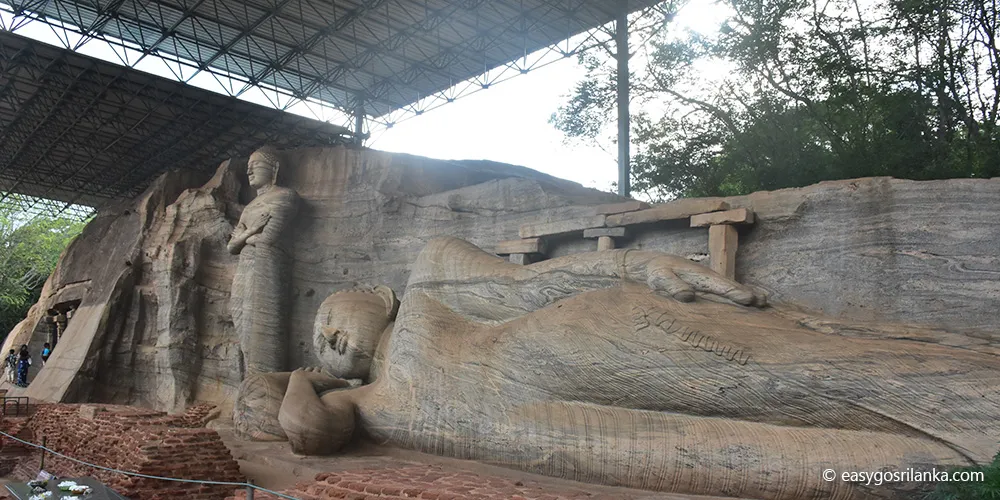
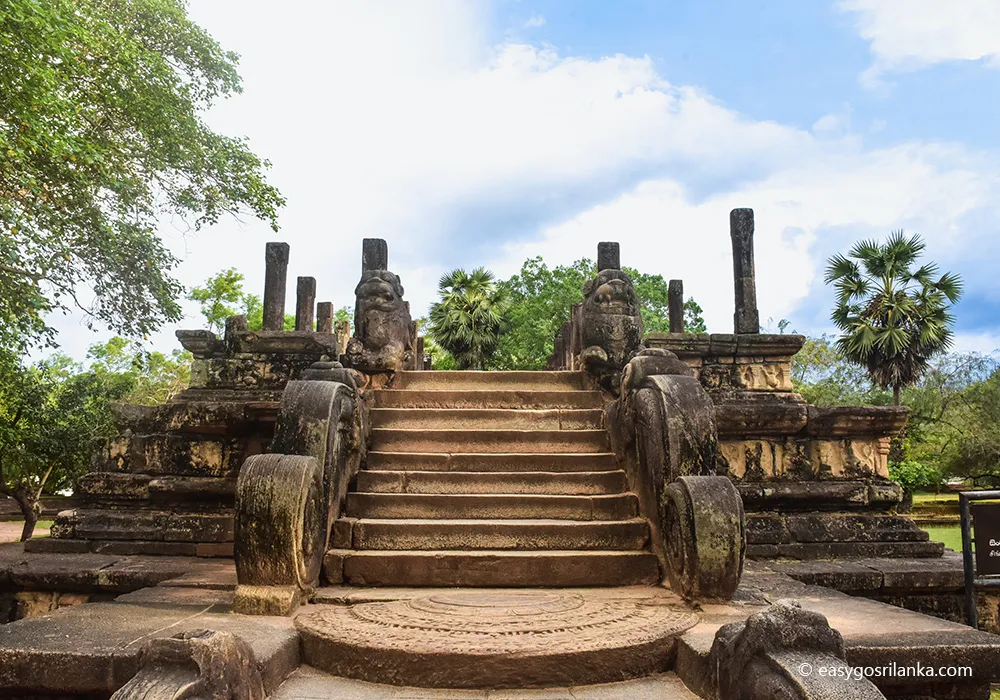
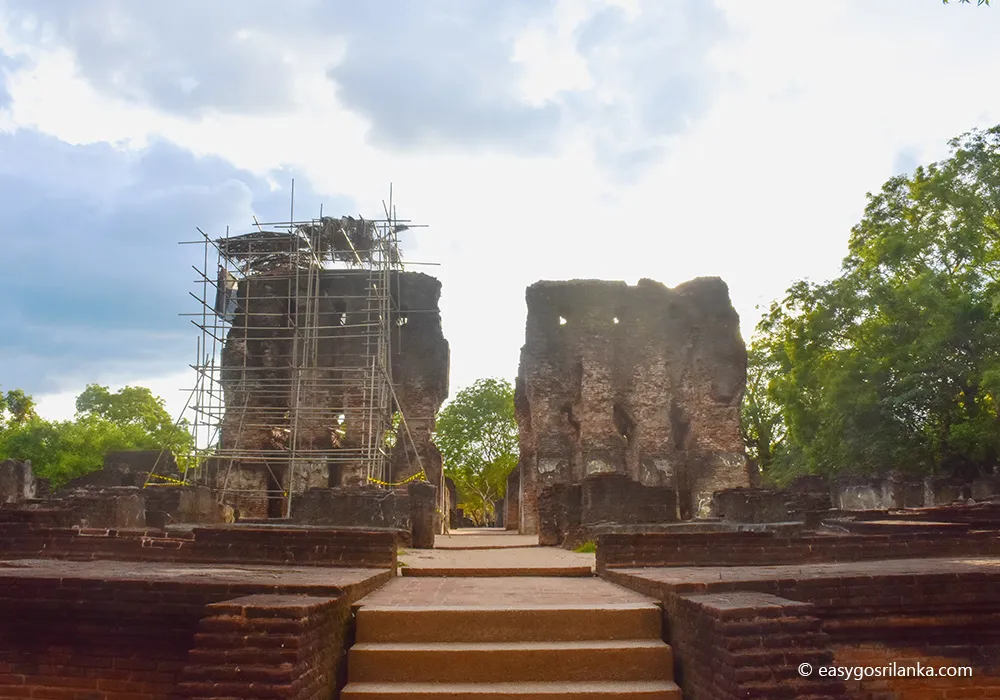
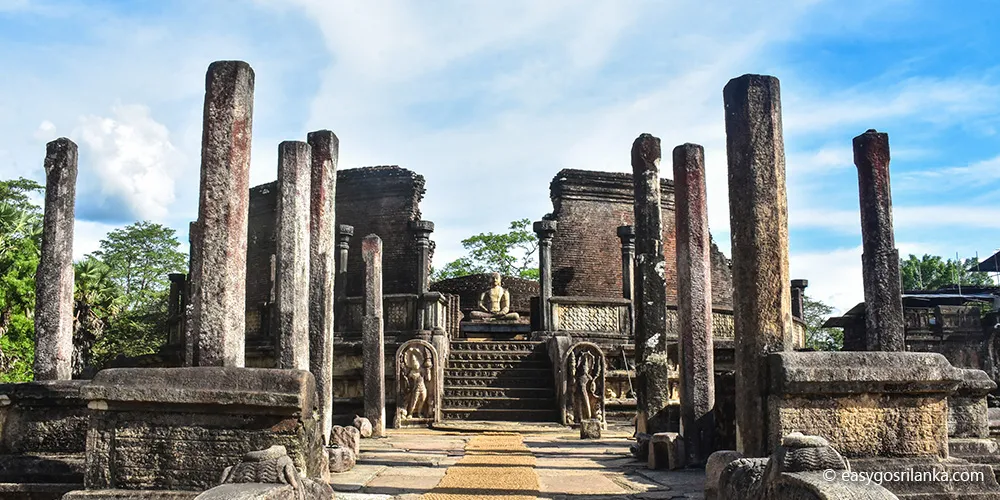
Polonnaruwa became a major medieval capital after Anuradhapura.
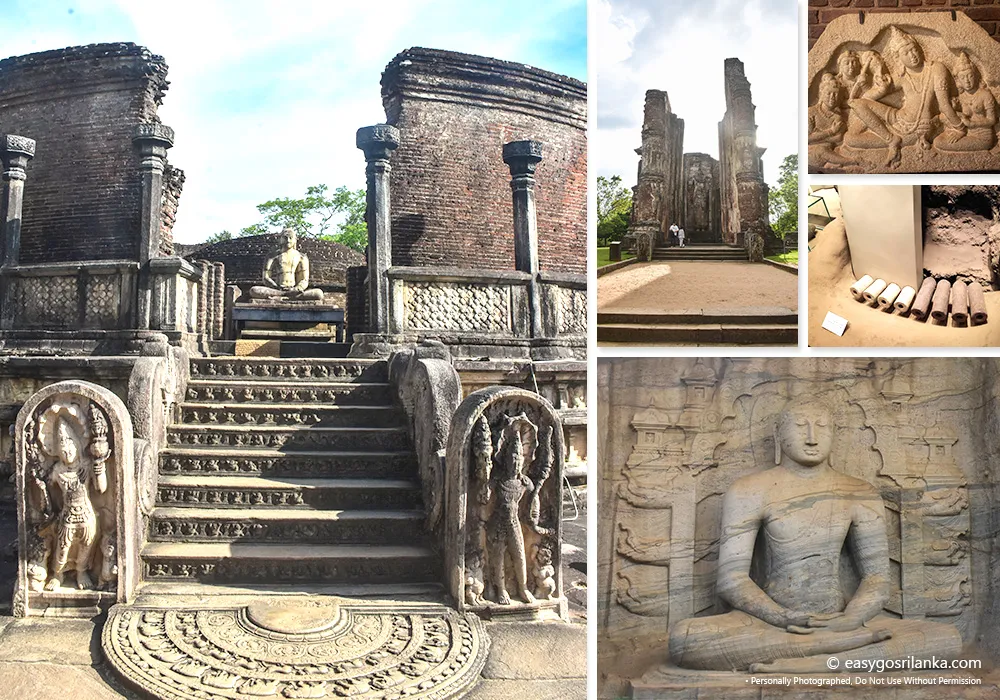
The ancient city contains royal complexes, temples, stupas, monasteries, statues, ponds, and other archaeological remains.
Major highlights include:
- Royal Palace
- Sacred Quadrangle
- Vatadage
- Rankoth Vehera
- Lankatilaka
- Gal Vihara
- Parakrama Samudra
Cycling through the archaeological area is also a popular way to experience the ancient city.
3. Sigiriya
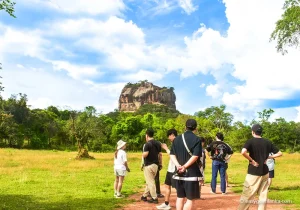
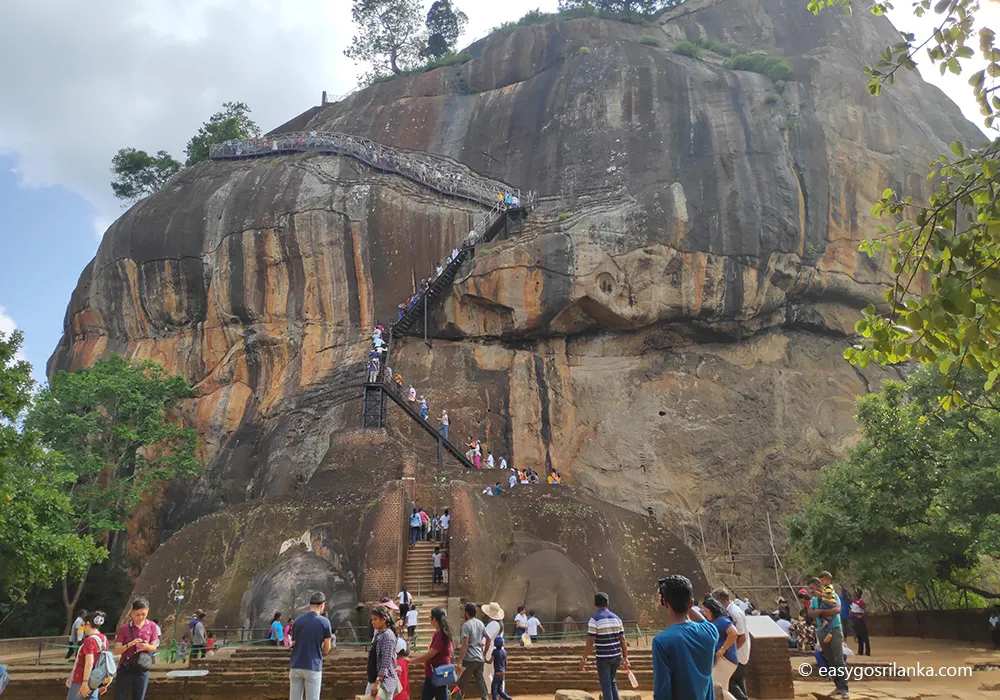
Sigiriya is one of Sri Lanka’s most recognizable archaeological and cultural landmarks.
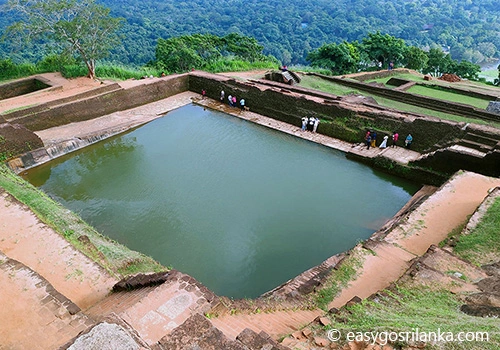
The ancient rock fortress combines dramatic natural geography with archaeological remains, including palace structures, gardens, ponds, frescoes, and sophisticated water-management features.
Climbing Sigiriya also provides an opportunity to experience the relationship between the ancient site and its surrounding landscape.
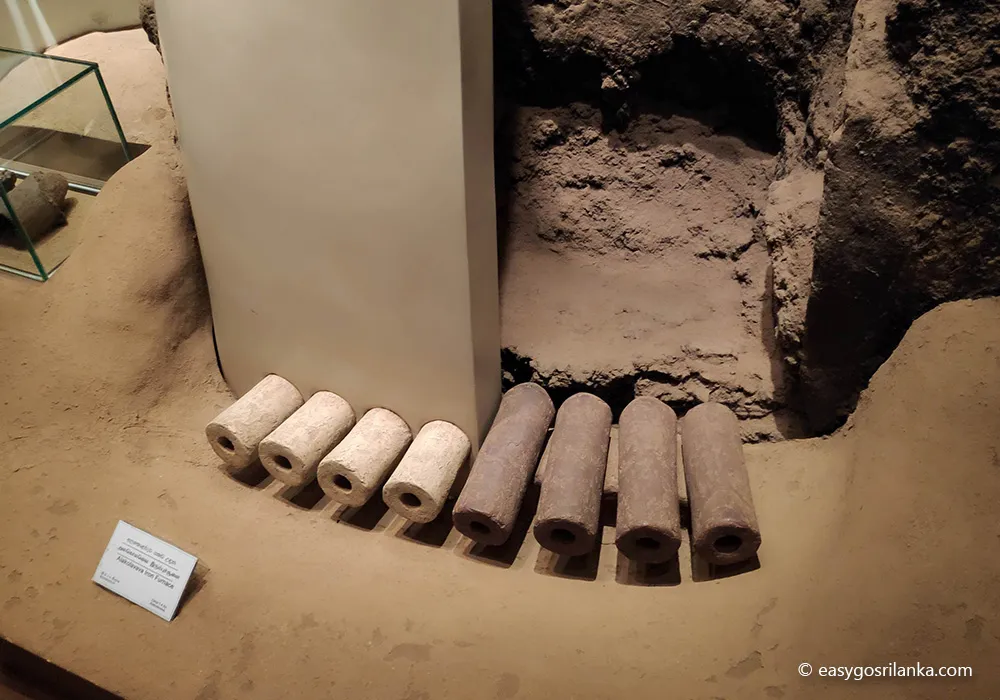
4. Dambulla
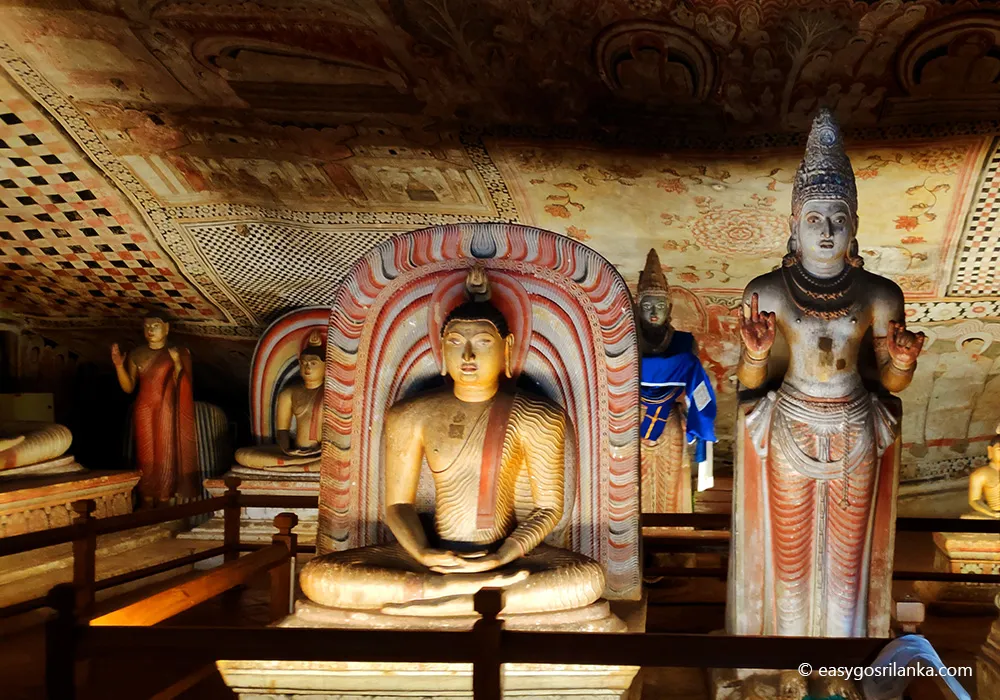
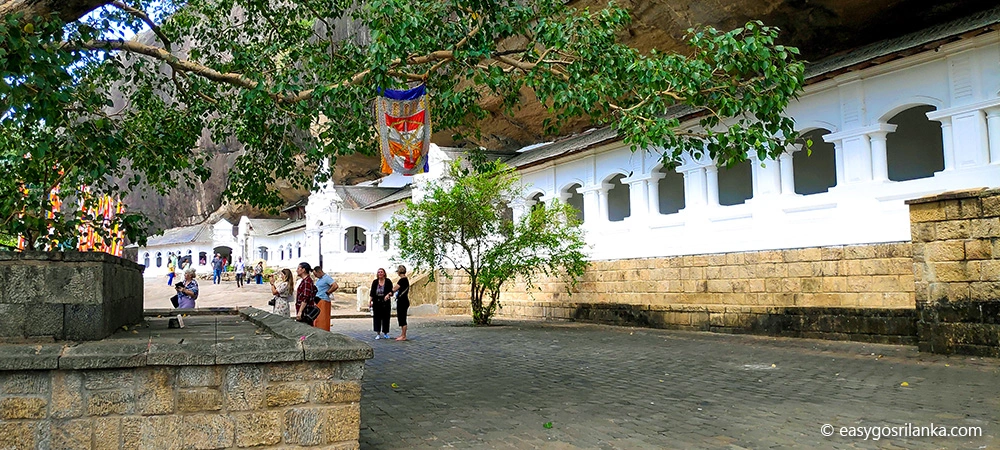
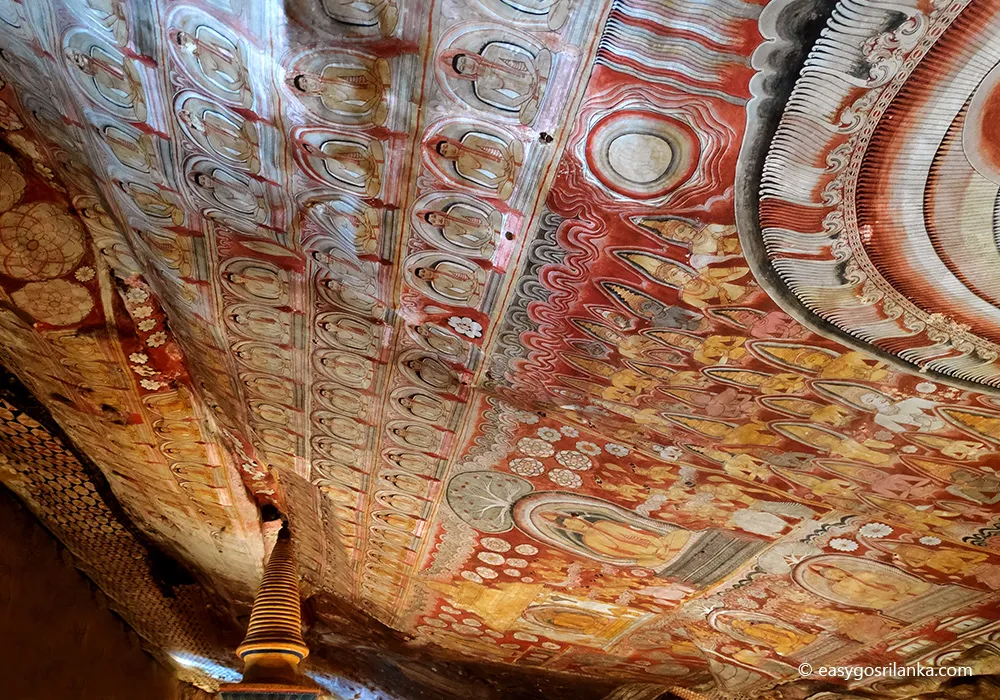
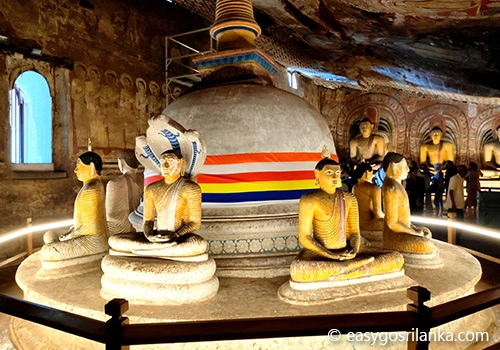
The Dambulla Cave Temple complex contains a remarkable collection of Buddhist paintings and statues within natural caves.
The site demonstrates the long relationship between Sri Lanka’s Buddhist traditions, religious art, architecture, and natural environments.
5. Mihintale
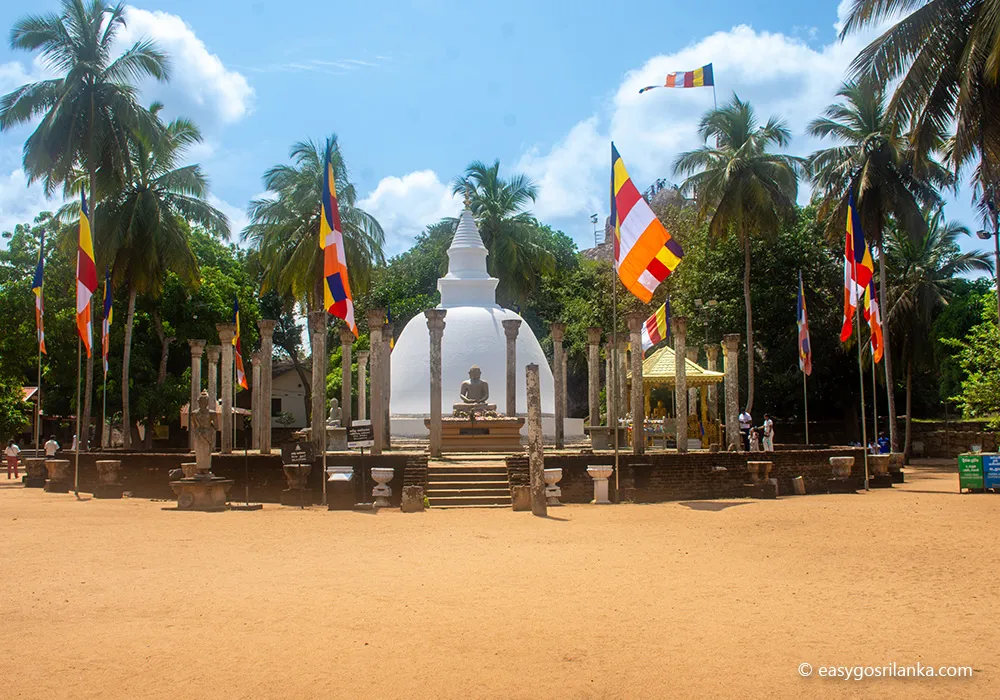
Mihintale is traditionally associated with the introduction of Buddhism to Sri Lanka.
The historic site includes ancient religious structures, stairways, stupas, inscriptions, and monastic remains spread across a series of hills.
It is an important destination for travelers interested in both archaeology and Buddhist history.
6. Ritigala
Ritigala is an atmospheric archaeological and monastic site surrounded by forest.
Ancient stone structures, meditation platforms, pathways, and monastery remains are scattered across the forested landscape.
The combination of archaeology and wilderness makes Ritigala particularly different from the major ancient cities.
Best Time to Visit
The best time for archaeological sightseeing is generally early morning or late afternoon.
Early Morning
- Cooler temperatures
- More comfortable walking
- Softer light for photography
- Fewer visitors at some locations
- Better conditions for outdoor exploration
Late Afternoon
- Lower temperatures
- Pleasant atmosphere
- Beautiful light for photography
- More comfortable conditions around exposed monuments
Many archaeological sites are outdoors, and Sri Lanka’s tropical and dry-zone regions can become very hot around midday.
What to Expect
An archaeological tour can range from a short visit to a single historic site to a full-day exploration of an ancient city.
Your experience may begin at a museum or visitor center before continuing to the archaeological area.
At major sites, you can expect a mixture of walking, sightseeing, photography, and historical explanations.
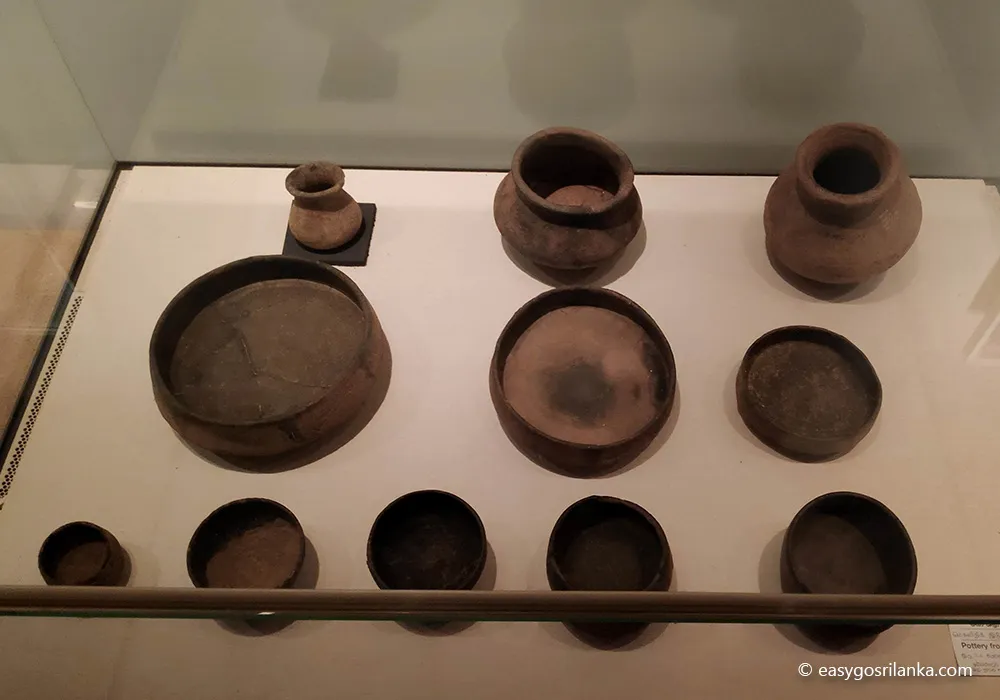
You may explore ancient foundations, stupas, temples, monasteries, royal buildings, stone sculptures, reservoirs, gardens, and other surviving structures.
Some archaeological sites are extensive, so you may travel between different sections by vehicle, bicycle, or on foot.
A knowledgeable guide can explain how the site developed, who built it, how it was used, and why particular architectural features were important.
Do not expect every ancient structure to remain completely intact. Many sites consist of foundations, partially preserved walls, ruins, reconstructed sections, or archaeological remains surrounded by vegetation.
This is part of what makes archaeological exploration fascinating—the surviving evidence allows visitors to piece together the story of the ancient landscape.
Difficulty & Suitability
Difficulty: Easy
Most archaeological tours involve light to moderate walking rather than strenuous physical activity.
However, some locations include stairs, hills, uneven stone surfaces, or long walking distances.
Suitable For
- Families
- Couples
- Solo travelers
- Senior travelers
- History enthusiasts
- Architecture lovers
- Culture enthusiasts
- Photographers
- Students
- First-time visitors to Sri Lanka
Travelers with mobility limitations should check individual site accessibility before visiting.
What to Bring
- Comfortable walking shoes
- Lightweight clothing
- Hat or cap
- Sunglasses
- Sunscreen
- Drinking water
- Camera
- Small backpack
- Insect repellent
- Umbrella or light rain protection
- Modest clothing for religious sites
If your itinerary includes temples, carry a shawl or clothing that can cover your shoulders and knees.
Safety Tips
- Stay on designated paths where available.
- Be careful on uneven archaeological surfaces.
- Use caution on stairs and stone platforms.
- Stay hydrated in hot weather.
- Protect yourself from the sun.
- Do not climb archaeological structures unless specifically permitted.
- Never touch or damage ancient carvings or inscriptions.
- Follow site regulations.
- Keep a safe distance from wildlife.
- Do not feed animals.
- Keep valuables secure in crowded areas.
Respecting Archaeological & Religious Sites
Many archaeological locations in Sri Lanka are also active religious sites.
Visitors should remember that these places have cultural and spiritual significance in addition to their historical value.
When visiting:
- Dress modestly.
- Remove shoes and hats where required.
- Follow photography restrictions.
- Speak quietly around religious areas.
- Do not climb monuments.
- Do not touch statues or sacred objects.
- Ask permission before photographing worshippers.
- Follow instructions from site staff and guides.
Responsible behavior helps protect Sri Lanka’s heritage for future generations.
Responsible Heritage Tourism
Archaeological sites are irreplaceable cultural resources.
Visitors can help protect them by following site regulations and avoiding actions that could damage fragile structures or artifacts.
Good Practices
- Stay on designated paths.
- Never remove stones, pottery, or other objects.
- Do not write or carve names on ancient structures.
- Avoid touching fragile carvings.
- Dispose of waste properly.
- Follow photography rules.
- Respect sacred spaces.
- Use licensed or knowledgeable local guides where appropriate.
- Support legitimate local businesses and heritage services.
Even small actions can contribute to the long-term preservation of Sri Lanka’s archaeological heritage.
Travel Tips
- Start early to avoid excessive heat.
- Allow additional time for larger archaeological sites.
- Consider hiring a knowledgeable local guide.
- Read about the site’s history before your visit.
- Wear comfortable shoes.
- Carry plenty of water.
- Bring modest clothing for religious sites.
- Keep your camera protected from heat and rain.
- Avoid rushing between monuments.
- Take time to examine architectural details and stone carvings.
- Check current entrance fees and opening arrangements before visiting.
- Combine archaeological sites with nearby cultural and nature attractions.
Related Destinations
Explore more of Sri Lanka’s historic and cultural destinations:
- Anuradhapura
- Polonnaruwa
- Sigiriya
- Dambulla
- Mihintale
- Ritigala
- Kandy
- Yapahuwa
- Galle
- Matale
Related Activities
Discover more cultural and heritage experiences:
- Anuradhapura Heritage Tour
- Polonnaruwa Cycling Tour
- Buddhist Temple Visits
- Hindu Temple Visits
- Dambulla Cave Temple Visit
- Temple of the Tooth Visit
- Village Tour
- Cultural Dance Show
- Climb Sigiriya Rock
- Climb Pidurangala Rock
- Local Market Visits
Frequently Asked Questions (FAQ)
An archaeological tour is a guided or self-guided experience that explores ancient ruins, temples, monasteries, royal complexes, stupas, inscriptions, irrigation systems, and other historic remains.
Anuradhapura, Polonnaruwa, Sigiriya, Dambulla, Mihintale, and Ritigala are among the most significant destinations for archaeological and historical experiences.
Sri Lanka has archaeological remains spanning more than two thousand years, with some sites associated with the island’s earliest recorded kingdoms and Buddhist history.
Yes. Most archaeological tours involve manageable walking and are suitable for families. Children can also learn about ancient architecture, engineering, religion, and history.
A guide is not always required, but a knowledgeable local guide can add considerable value by explaining the history and significance of archaeological remains.
Wear comfortable, lightweight clothing for outdoor exploration. When visiting religious sites, shoulders and knees should generally be covered, and shoes may need to be removed.
Photography is generally possible at many locations, but individual sites may have restrictions. Always follow posted rules and instructions from staff.
Most major sites are easy to moderate. Some locations, such as Sigiriya and certain hilltop archaeological sites, involve significant stairs or uphill walking.
A single archaeological site may take one to three hours, while major ancient cities such as Anuradhapura and Polonnaruwa can easily require half a day or more.
Yes. Archaeological experiences can easily be combined with village tours, cycling, wildlife safaris, hiking, temple visits, and local food experiences.
Book This Experience
Walk Through Sri Lanka’s Ancient History
Discover the ruins of ancient kingdoms, monumental stupas, historic temples, royal complexes, and remarkable examples of ancient engineering.
Explore Sri Lanka’s archaeological heritage with Easy Go Sri Lanka and uncover the stories, architecture, religion, and achievements behind the island’s ancient civilizations.