Quick Facts

Best For
Families, Couples, Culture Lovers & Photographers

Difficulty
Easy

Main Highlights
Village Life, Local Food, Farming & Community

Location
Rural Villages
Across Sri Lanka
Overview
A village tour in Sri Lanka provides a chance to step away from the country’s busy tourist destinations and discover the rhythms of everyday rural life.
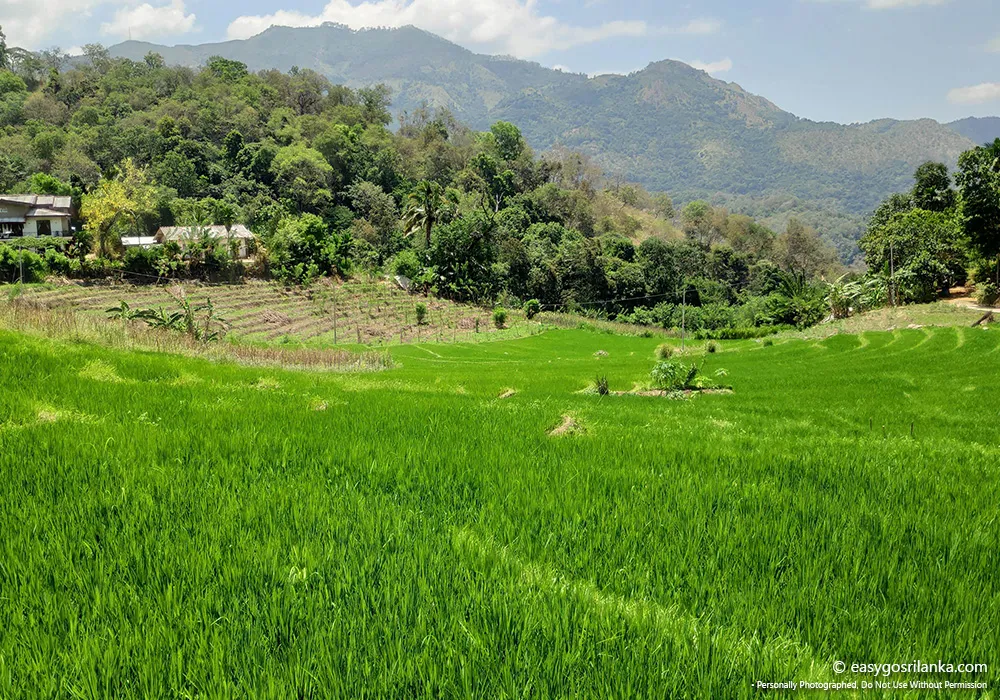
Sri Lanka has a diverse rural landscape, from rice-growing villages and coconut plantations to tea-growing communities, fishing villages, forest-edge settlements, and traditional farming areas.
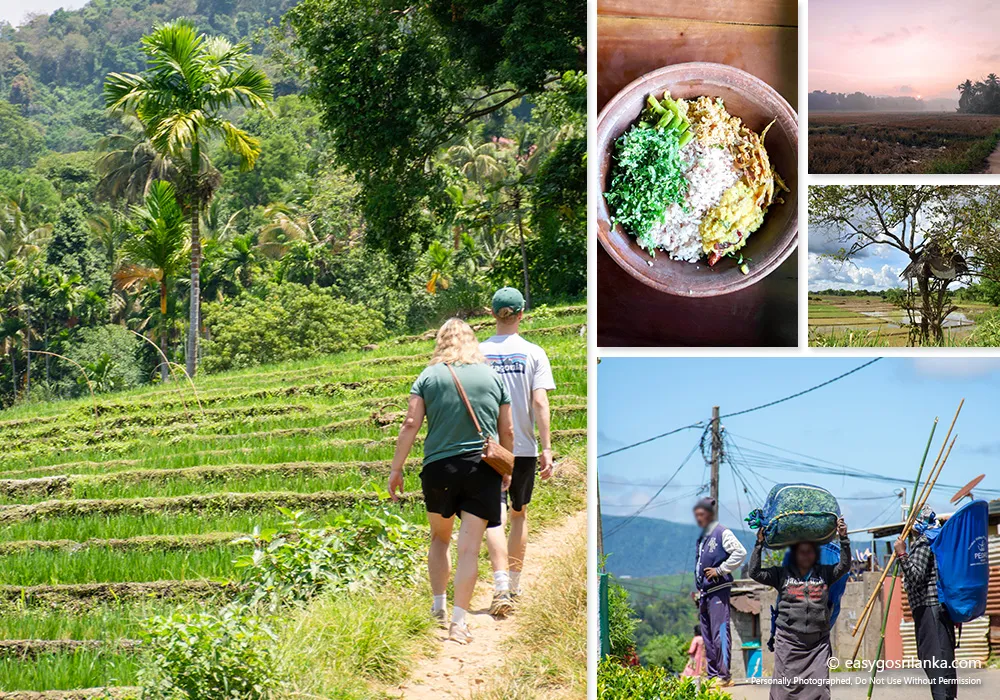
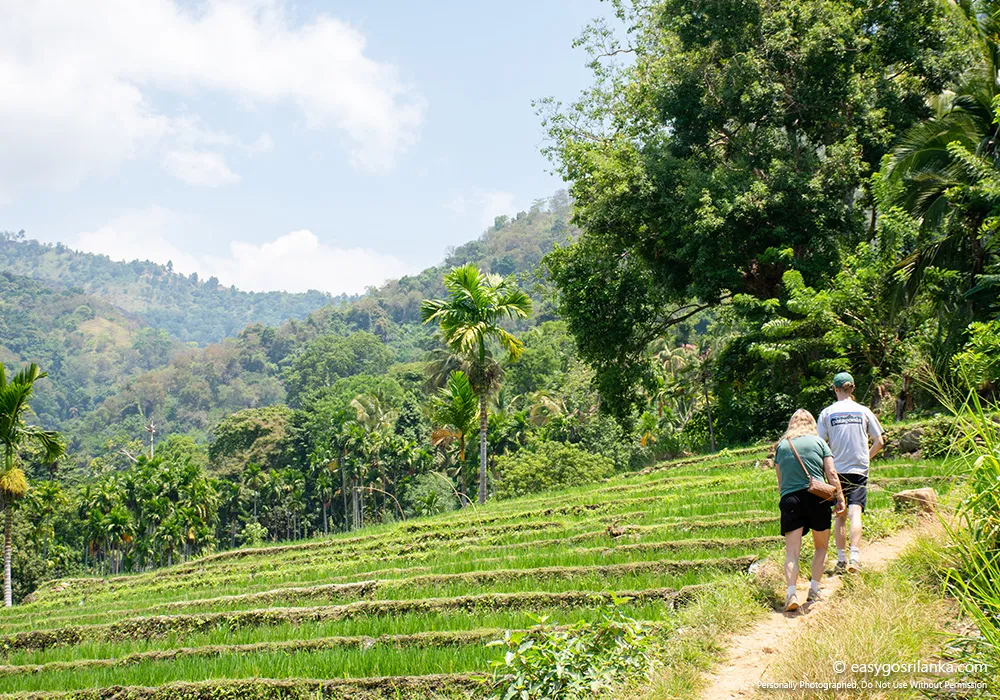
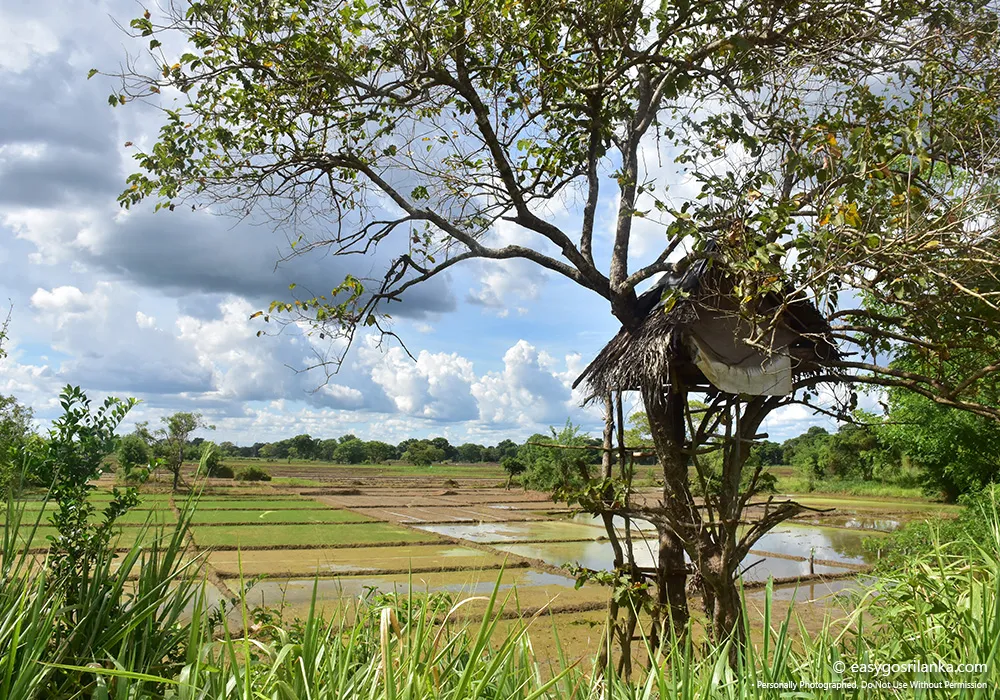
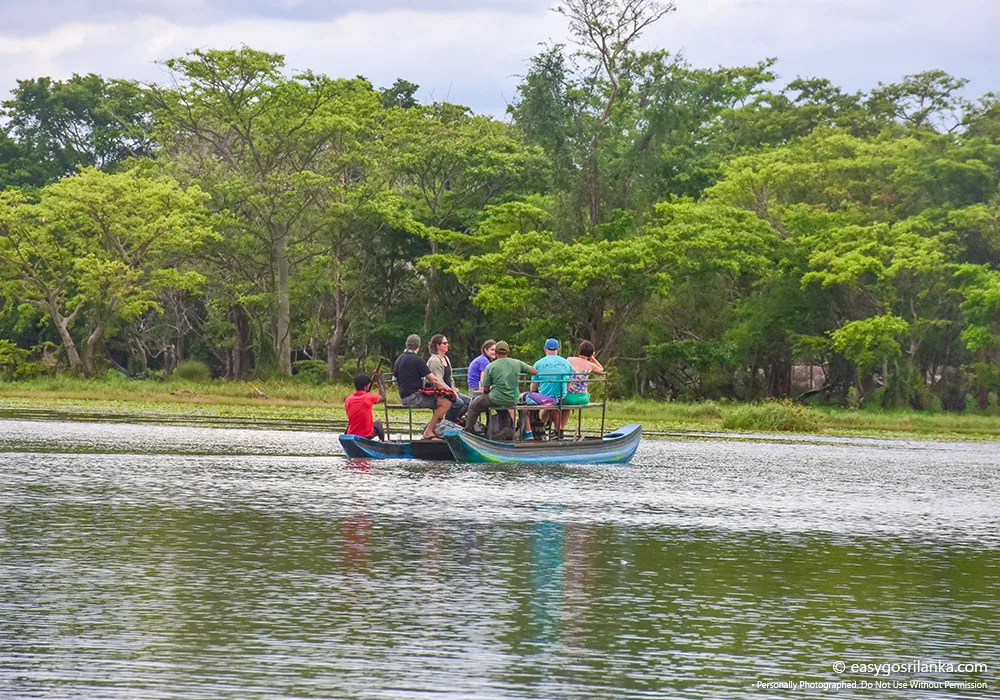
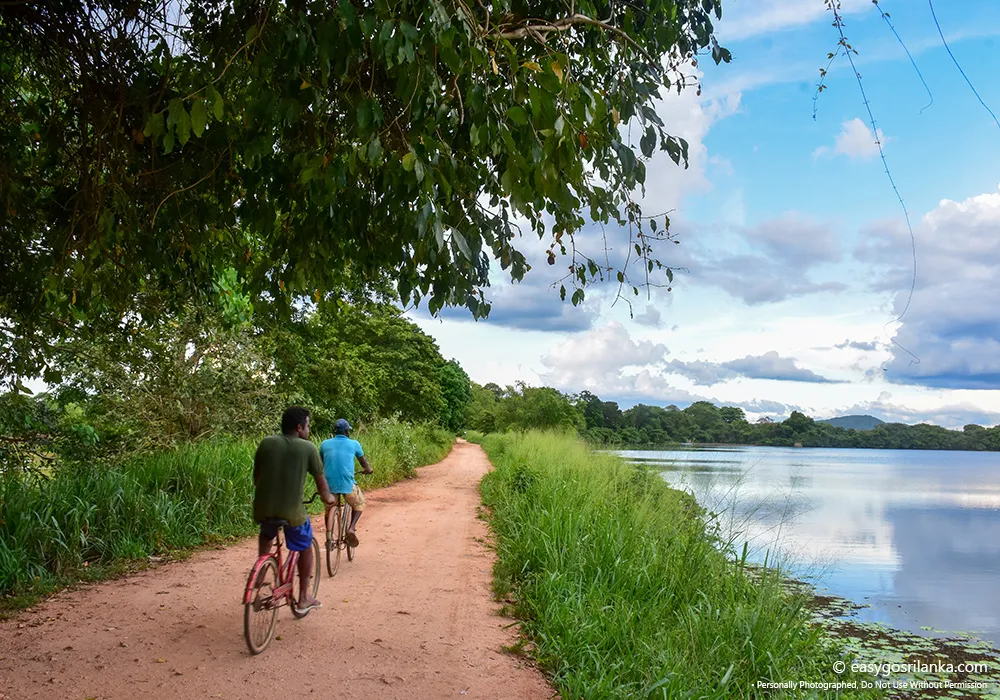
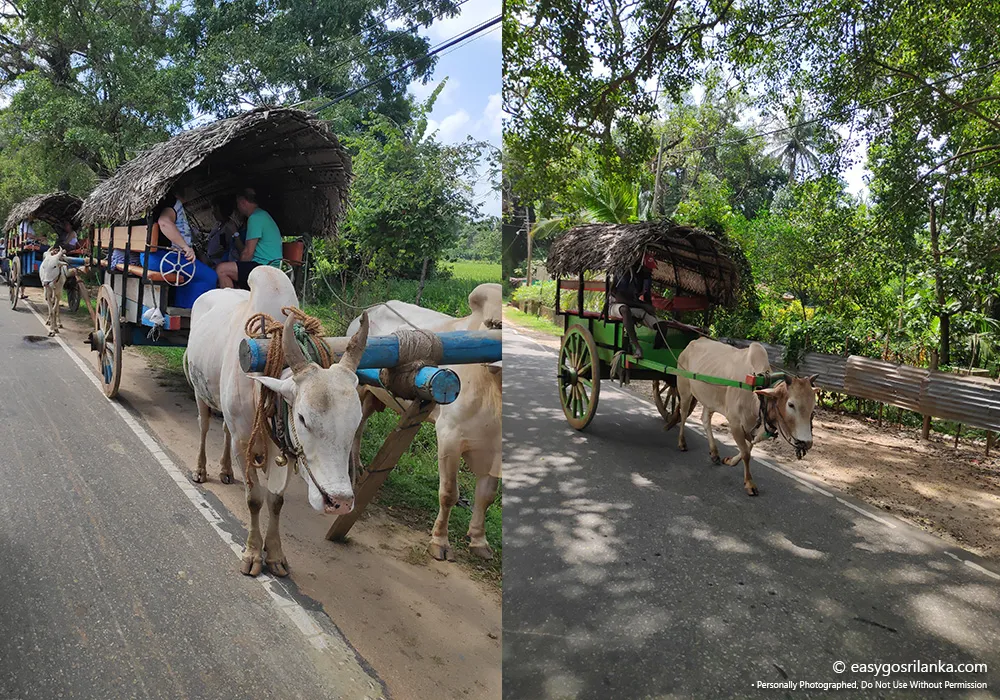
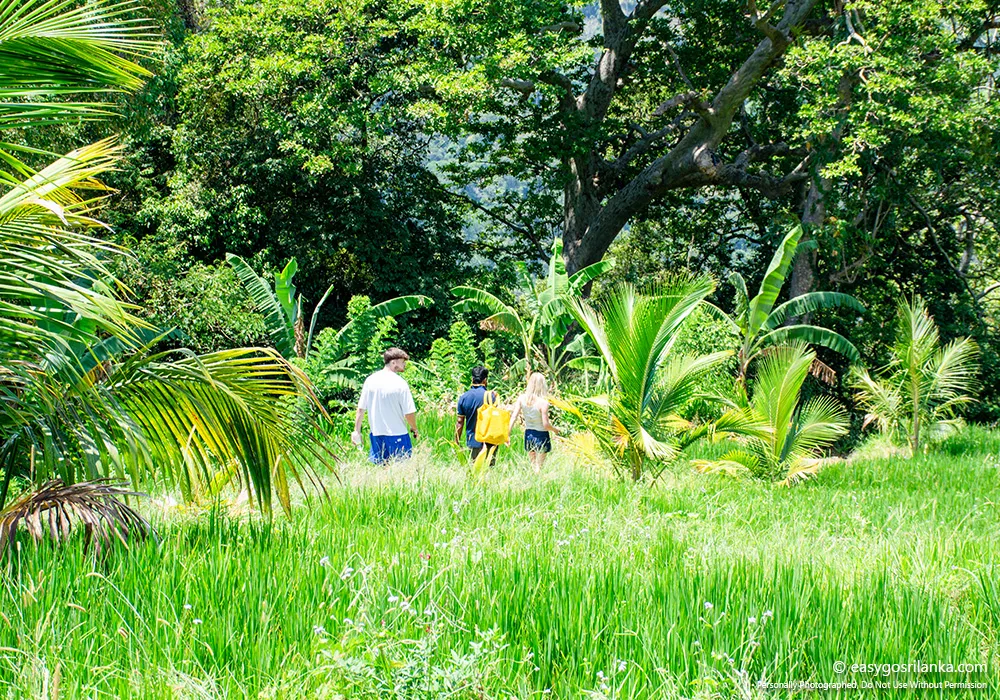
Depending on the location, a village experience may include walking through paddy fields, visiting home gardens, meeting local farmers, learning about traditional agricultural practices, tasting local food, or traveling through the countryside by bicycle, tuk-tuk, boat, or on foot.
The experience is not about visiting a staged attraction. The most meaningful village tours focus on genuine interactions and respectful cultural exchange.
A knowledgeable local host or guide can help introduce travelers to the community, explain local traditions, and provide context about how rural families live and work.
Highlights
- Experience everyday rural life in Sri Lanka.
- Walk through peaceful village landscapes.
- Explore paddy fields and home gardens.
- Meet local farmers and community members.
- Learn about traditional farming practices.
- Taste authentic Sri Lankan village food.
- Discover traditional cooking methods.
- Explore local crafts and village traditions.
- Travel through rural roads and countryside.
- Enjoy opportunities for cultural photography.
- Experience Sri Lanka beyond the main tourist attractions.
Why You Should Experience a Sri Lankan Village Tour
A village tour provides a different perspective on Sri Lanka.
While famous attractions reveal the country’s history, architecture, wildlife, and natural beauty, visiting a rural community allows you to understand how many Sri Lankans live, work, cook, farm, and interact with their environment.
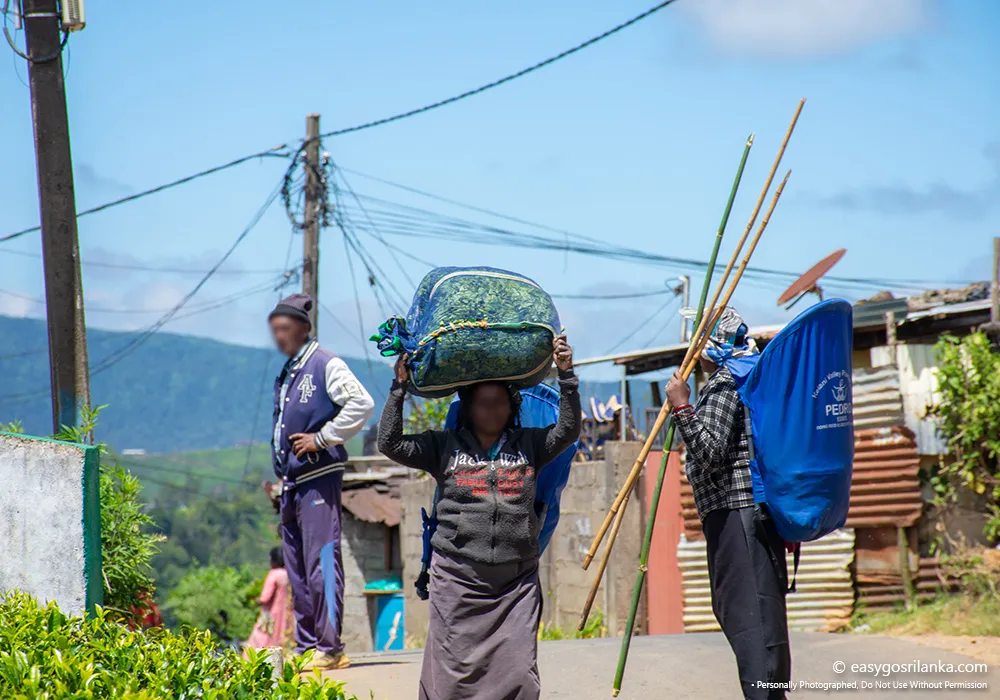
You may see farmers working in paddy fields, villagers tending home gardens, children traveling to school, fishermen working along waterways, or families preparing traditional meals.
Food is often an important part of the experience. Depending on the village, visitors may have the opportunity to see how traditional dishes are prepared and enjoy a freshly cooked Sri Lankan meal.
For international travelers, this can be one of the most memorable ways to experience the country’s culture because it encourages genuine interaction rather than simply sightseeing.
Best Places for Village Experiences in Sri Lanka
Village experiences can be found throughout Sri Lanka, with each region offering a different environment and cultural character.
1. Habarana & Sigiriya
The rural areas around Habarana and Sigiriya are popular for village experiences involving paddy fields, traditional cooking, farming communities, and countryside landscapes.
These tours can often be combined with Sigiriya, Pidurangala, Minneriya, or Dambulla.
2. Dambulla
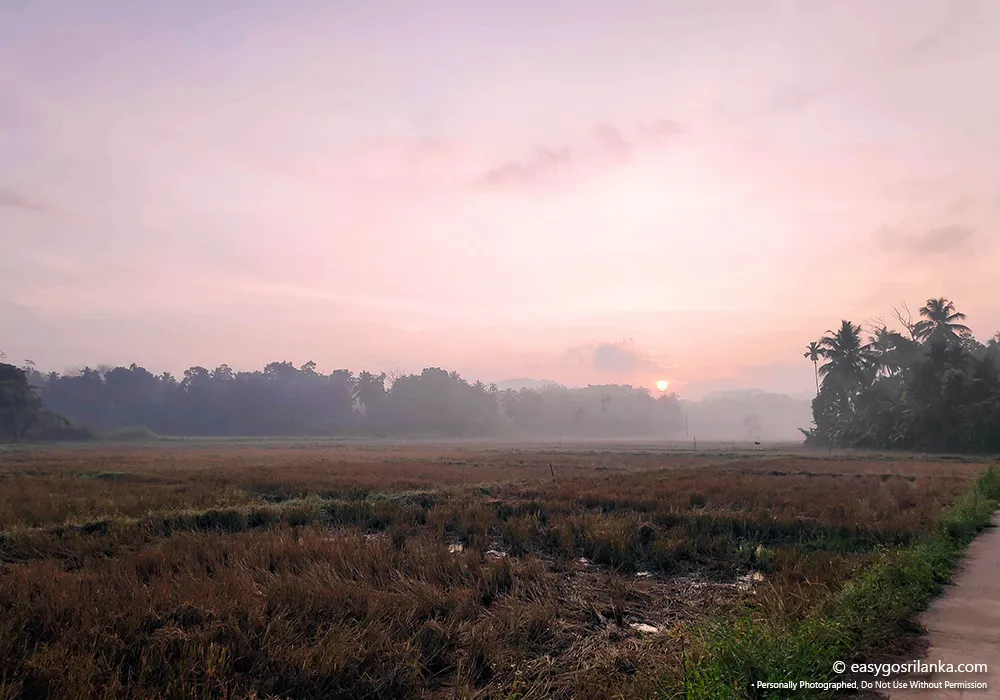
The countryside around Dambulla provides opportunities to explore agricultural communities, home gardens, and traditional food culture.
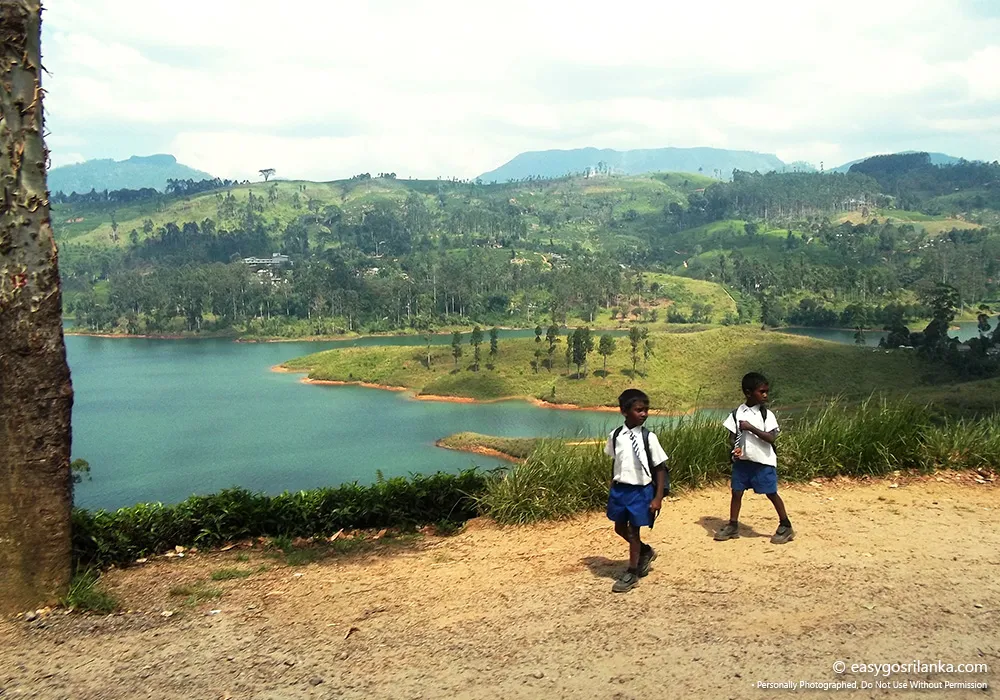
3. Kandy & Central Highlands
Villages around the central highlands offer a different experience, with forested hills, home gardens, small-scale farming, and mountain landscapes.
4. Southern Coast
Rural communities away from the main beach resorts provide opportunities to experience traditional village life alongside coconut plantations, paddy fields, lagoons, and waterways.
5. Cultural Triangle
The villages surrounding Anuradhapura, Polonnaruwa, Sigiriya, and Habarana provide excellent opportunities to experience traditional agricultural landscapes and rural communities.
Best Time to Visit
Village tours can generally be enjoyed throughout the year, but the most comfortable times are usually early morning or late afternoon.
Morning
Morning is ideal for walking, cycling, photography, and observing agricultural activities before temperatures become too high.
Late Afternoon
Late afternoon provides cooler conditions and softer light for photography.
The best timing can also depend on the activities included in the experience. Farming, fishing, cooking, and other activities may follow local schedules.
What to Expect
A Sri Lankan village tour can vary considerably depending on the region and community.
Your experience may begin with a walk or short ride through rural roads, paddy fields, plantations, or home gardens.
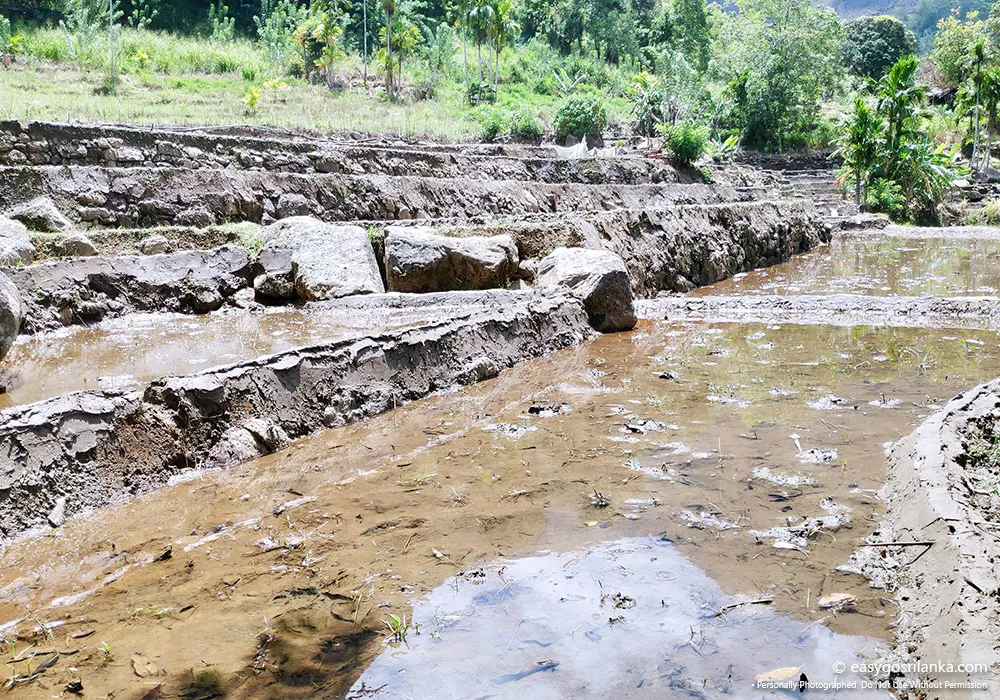
A local guide or host may introduce you to farmers and explain traditional agricultural practices. You may learn how rice is cultivated, how home gardens are maintained, or how local crops are used in everyday cooking.
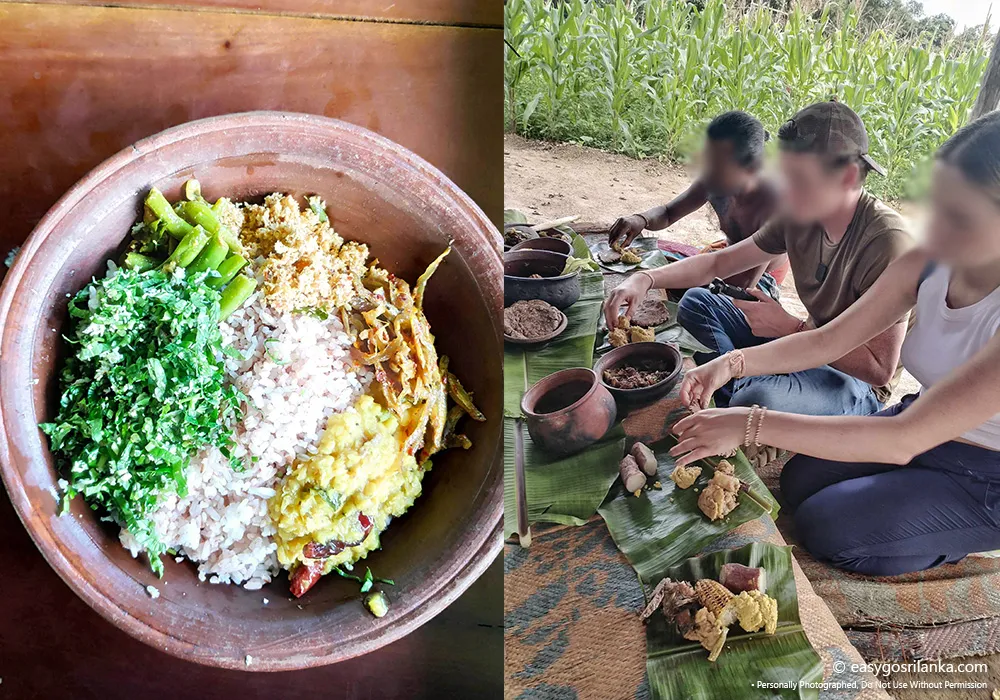
Food can be another major part of the experience. Some village tours include a traditional Sri Lankan cooking demonstration where you can learn how local ingredients are prepared and used to make dishes such as rice and curry, sambols, or traditional snacks.
Some experiences may also include a boat ride, cycling, fishing activity, craft demonstration, or visit to a local home.
The pace is generally relaxed. The purpose is not to rush between attractions but to observe, interact, learn, and enjoy the surrounding countryside.
Difficulty & Suitability
Difficulty: Easy
Most village tours involve gentle walking and occasional short rides. The level of physical activity depends on the specific experience.
Suitable For
- Families
- Couples
- Solo travelers
- Senior travelers
- First-time visitors to Sri Lanka
- Culture enthusiasts
- Food lovers
- Photographers
- Responsible travelers
Most activities can be adapted for different fitness levels.
What to Bring
- Comfortable walking shoes
- Lightweight clothing
- Hat or cap
- Sunscreen
- Drinking water
- Camera
- Small backpack
- Insect repellent
- Umbrella or rain jacket
- Comfortable clothing suitable for rural activities
If visiting a temple or local home, modest clothing is recommended.
Safety Tips
- Follow your local guide’s instructions.
- Stay on designated paths when walking through fields.
- Be careful around irrigation canals, ponds, and waterways.
- Avoid touching unfamiliar plants or animals.
- Use insect repellent when necessary.
- Stay hydrated in hot weather.
- Respect private homes and property.
- Ask permission before entering private areas.
- Do not feed domestic animals without permission.
- Follow food hygiene recommendations when participating in cooking activities.
Responsible Village Tourism
A village tour should benefit the local community while allowing travelers to experience rural culture respectfully.
Choose experiences that work directly with local families, guides, farmers, cooks, and community members whenever possible.
Responsible Practices
- Respect local customs and traditions.
- Ask permission before photographing people.
- Pay fair prices for local products and services.
- Support locally owned businesses.
- Avoid treating residents as tourist attractions.
- Do not enter private homes or land without permission.
- Avoid excessive plastic use.
- Take your waste with you.
- Listen to local guides and hosts.
The goal is meaningful cultural exchange rather than simply observing people as part of a sightseeing experience.
Travel Tips
- Choose a village tour that clearly explains what activities are included.
- Ask whether the experience is locally operated.
- Wear comfortable clothing suitable for outdoor activities.
- Bring cash for locally made products or optional purchases.
- Ask permission before photographing people.
- Be open to trying local food.
- Avoid comparing rural lifestyles with your home country.
- Allow plenty of time—the experience is best enjoyed at a relaxed pace.
- Combine a village tour with nearby cultural or nature attractions.
Related Destinations
Explore more destinations where rural and cultural experiences can be included:
Related Activities
Discover more cultural and local experiences:
- Sri Lankan Cooking Classes
- Street Food Tours
- Local Market Visits
- Spice Garden Tours
- Tea Tasting Experiences
- Archaeological Tours
- Buddhist Temple Visits
- Hindu Temple Visits
- Cultural Dance Show
- Polonnaruwa Cycling Tour
- Anuradhapura Heritage Tour
Frequently Asked Questions (FAQ)
A village tour is a cultural experience that introduces travelers to rural life, local communities, farming, traditional food, crafts, and everyday activities in Sri Lanka.
Depending on the location, you may walk through paddy fields, visit farms and home gardens, meet local residents, participate in cooking, taste traditional food, cycle through the countryside, or take a boat ride.
Yes. Village tours are generally relaxed and can be enjoyable for families with children. Activities can often be adapted to suit different ages.
Many village experiences include traditional food or cooking demonstrations. Some allow visitors to participate in preparing a meal using locally sourced ingredients.
Yes, but always ask permission before photographing local people, homes, religious activities, or private property.
There is no single best location. Habarana, Sigiriya, Dambulla, the Cultural Triangle, Kandy, and parts of the southern countryside all offer different types of village experiences.
The authenticity depends on the operator and community involved. Look for experiences that work directly with local residents and focus on genuine cultural interaction rather than staged performances.
Most experiences take approximately 2–5 hours, although full-day experiences can also be arranged depending on the activities and location.
Wear comfortable, lightweight clothing suitable for walking outdoors. Modest clothing is recommended when visiting local homes or religious sites.
Yes. Village tours work particularly well alongside visits to Sigiriya, Dambulla, Polonnaruwa, Anuradhapura, wildlife parks, and other Cultural Triangle attractions.
Book This Experience
Experience the Sri Lanka Beyond the Tourist Trail
Step into rural Sri Lanka and discover the traditions, food, landscapes, and everyday experiences that make the island unique.
Explore a local village with Easy Go Sri Lanka and experience Sri Lankan culture through genuine community encounters, traditional food, and peaceful countryside landscapes.