Quick Facts

Distance from Colombo
~215 km

Travel time
4.5 – 5.5 hrs by road

Elevation
~60 m above sea level

UNESCO status
World Heritage Site – Since 1982
Overview
Polonnaruwa stands as one of Sri Lanka’s most significant archaeological treasures and represents the country’s second ancient kingdom. Following the decline of Anuradhapura, Polonnaruwa became the capital of Sri Lanka during the 11th and 12th centuries, reaching its peak under King Parakramabahu I.
Today, visitors can explore an extraordinary collection of ancient monuments, temples, statues, palaces, and reservoirs that reveal the sophistication of medieval Sri Lankan civilization. The city’s archaeological park is among the best-preserved ancient urban complexes in South Asia, offering travelers a unique opportunity to step back in time and witness centuries of history.
One of the most impressive aspects of Polonnaruwa is its remarkable blend of engineering, architecture, religion, and culture. The vast Parakrama Samudra reservoir, magnificent stone sculptures, and intricately designed religious monuments demonstrate the advanced knowledge and artistic achievements of the kingdom.
Polonnaruwa is often included in Sri Lanka’s famous Cultural Triangle, alongside Anuradhapura, Sigiriya, and Dambulla. Its convenient location makes it an essential stop for travelers interested in history, archaeology, photography, and cultural exploration.
Whether you’re cycling through ancient ruins, admiring centuries-old Buddhist monuments, or learning about Sri Lanka’s royal heritage, Polonnaruwa offers a fascinating and rewarding travel experience.
Why Visit Polonnaruwa?
- Explore one of Sri Lanka’s most important UNESCO World Heritage Sites.
- Discover remarkably preserved ancient palaces, temples, and monuments.
- Experience the rich history of Sri Lanka’s medieval kingdom.
- Admire the famous Gal Vihara rock-cut Buddha statues.
- Enjoy cycling through a vast archaeological landscape.
- Learn about ancient Sri Lankan engineering at Parakrama Samudra.
- Combine your visit with nearby attractions such as Sigiriya and Minneriya National Park.
- Capture stunning photographs of historic ruins and cultural landmarks.
Highlights
- UNESCO World Heritage archaeological city
- Gal Vihara Buddha statues
- Royal Palace of King Parakramabahu
- Ancient Quadrangle complex
- Vatadage circular relic house
- Rankoth Vehera stupa
- Parakrama Samudra reservoir
- Sacred Buddhist monuments
- Scenic cycling routes through archaeological sites
- Easy access to Sri Lanka’s Cultural Triangle
Things to Do in Polonnaruwa
Polonnaruwa offers a unique blend of history, culture, and outdoor exploration. From ancient temples and royal palaces to scenic cycling routes and wildlife experiences, there are plenty of activities for visitors to enjoy during their stay.
Explore the Ancient City of Polonnaruwa
The Ancient City of Polonnaruwa is the main attraction and one of the best-preserved archaeological sites in Sri Lanka. Wander through centuries-old ruins, royal compounds, sacred temples, and impressive monuments that showcase the grandeur of the medieval kingdom. Allow several hours to fully appreciate the vast archaeological park.
1. Visit the Gal Vihara
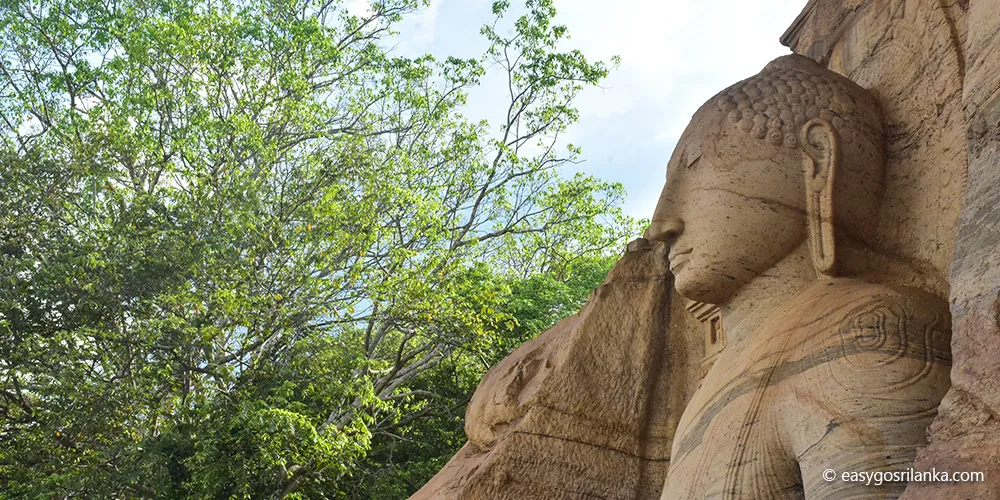
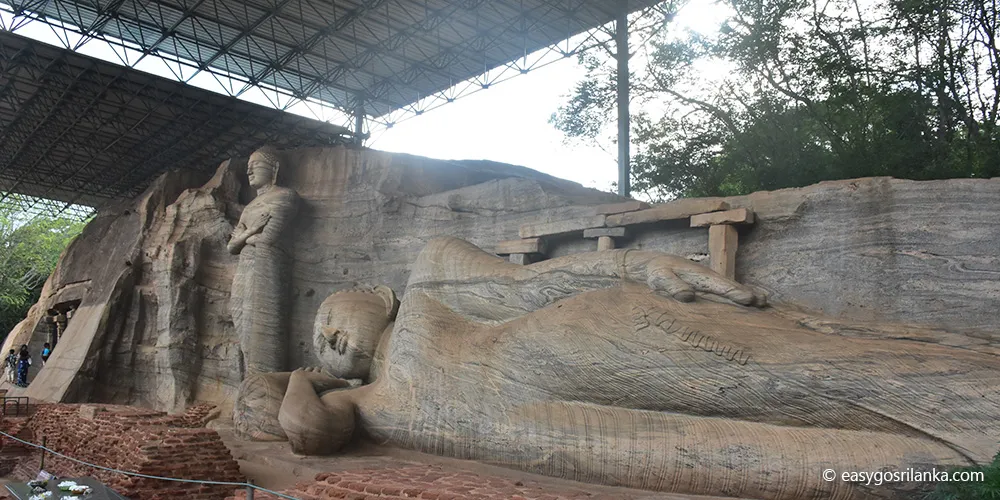
Gal Vihara is one of the most iconic landmarks in Sri Lanka. This remarkable rock temple features four magnificent Buddha statues carved directly into a granite rock face. The intricate craftsmanship and serene expressions of the statues make this site a must-visit for history enthusiasts, photographers, and spiritual travelers.
2. Discover the Royal Palace of King Parakramabahu
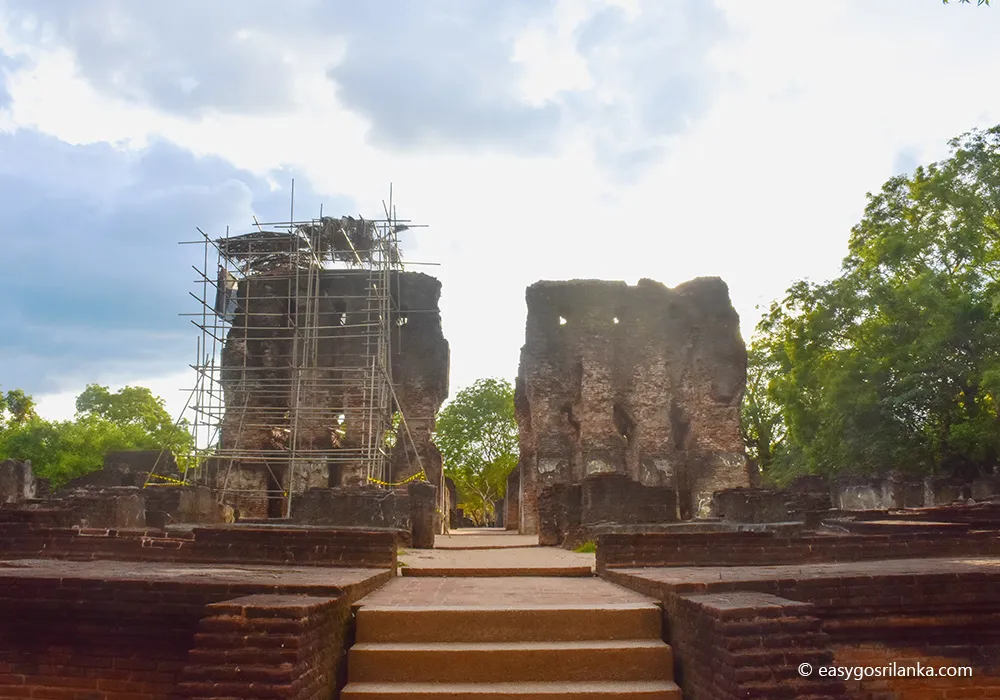
Explore the remains of the Royal Palace, once believed to have contained seven stories and more than a thousand rooms. Although only sections of the structure remain today, the ruins provide insight into the architectural achievements and royal lifestyle of ancient Sri Lanka
3. Walk Through the Sacred Quadrangle
The Quadrangle is a compact yet highly significant collection of religious monuments located within the ancient city. Visitors can admire beautifully preserved structures such as the Vatadage, Hatadage, and Thuparama. This area is considered one of the architectural highlights of Polonnaruwa.
4. Admire the Vatadage
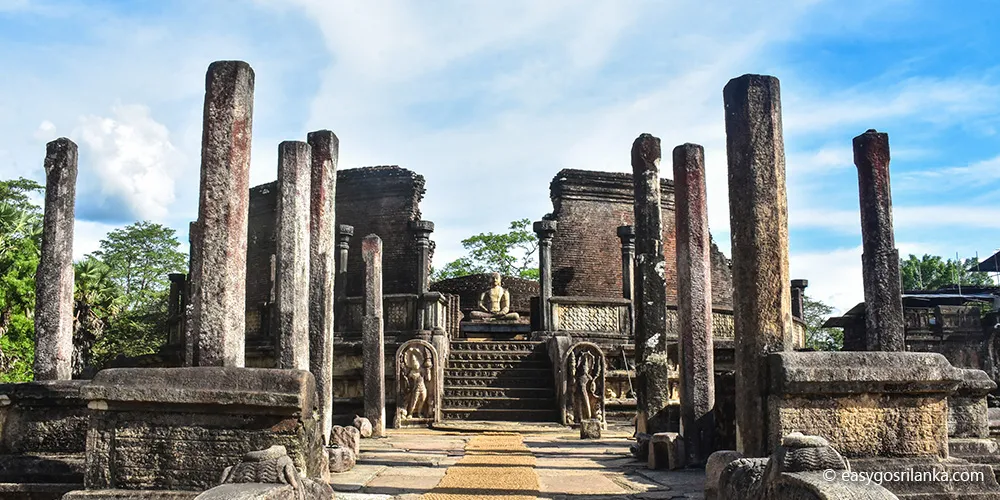
The Vatadage is one of the most photographed monuments in Polonnaruwa. This circular relic house features elegant stone carvings, moonstones, guard stones, and Buddha statues. Its architectural beauty makes it one of the finest examples of ancient Sri Lankan craftsmanship.
5. Cycle Around the Archaeological Park
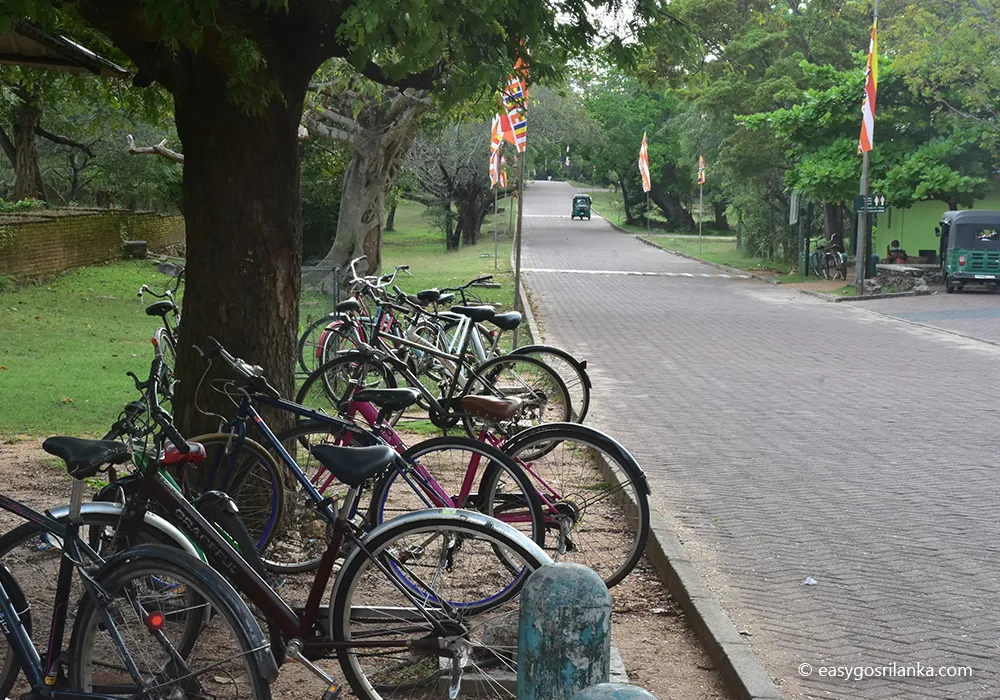
Cycling is one of the most popular ways to explore Polonnaruwa. Bicycles can be rented near the entrance, allowing visitors to comfortably travel between the various historical sites while enjoying the peaceful surroundings. The relatively flat terrain makes cycling suitable for most travelers.
6. Visit Parakrama Samudra
Parakrama Samudra is a massive man-made reservoir built during the reign of King Parakramabahu I. The reservoir remains an impressive example of ancient engineering and continues to support agriculture in the region. Visitors can enjoy scenic views, especially during sunrise and sunset.
7. Explore the Polonnaruwa Archaeological Museum
Before exploring the ruins, consider visiting the Archaeological Museum to gain a deeper understanding of the city’s history and significance. The museum displays artifacts, scale models, and informative exhibits that help visitors better appreciate the ancient monuments.
8. Observe Wildlife Around the Ancient City
The archaeological park is home to a variety of wildlife, including monkeys, peacocks, monitor lizards, and numerous bird species. Nature lovers will enjoy spotting wildlife while exploring the historic surroundings.
9. Take a Day Trip to Minneriya National Park
Located a short drive from Polonnaruwa, Minneriya National Park is famous for “The Gathering,” one of Asia’s largest wildlife spectacles. Visitors can join a safari to observe large herds of wild elephants, along with deer, birds, and other native animals.
10. Visit Nearby Sigiriya Rock Fortress
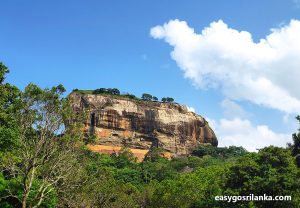
Many travelers combine Polonnaruwa with a visit to Sigiriya, another UNESCO World Heritage Site. The iconic rock fortress offers breathtaking views, ancient frescoes, and fascinating history, making it a perfect addition to a Cultural Triangle itinerary.
11. Experience Local Village Life
For a more authentic experience, visitors can explore nearby villages and observe traditional farming practices. Village tours often include bullock cart rides, boat rides, local cooking demonstrations, and opportunities to interact with local communities.
12. Photography and Sightseeing
Polonnaruwa offers countless opportunities for photography. The combination of ancient ruins, lush greenery, Buddhist monuments, and scenic landscapes creates stunning images throughout the day. Early morning and late afternoon provide the best lighting conditions for photographers.
Top Attractions in Polonnaruwa
1. Gal Vihara
Gal Vihara is one of the most celebrated monuments in Polonnaruwa and a masterpiece of ancient Sri Lankan rock carving. The site features four impressive Buddha statues carved into a single granite rock face, including seated, standing, and reclining figures that date back to the 12th century.
Why It Is Worth Visiting
Gal Vihara is renowned for its exceptional craftsmanship and spiritual significance. The serene expressions and intricate details of the statues make it one of the most photographed and admired attractions in Sri Lanka.
2. Royal Palace of King Parakramabahu
The Royal Palace was once the grand residence of King Parakramabahu I, one of Sri Lanka’s greatest rulers. Historical records suggest the palace originally consisted of multiple stories and over a thousand rooms, showcasing the wealth and power of the kingdom.
Why It Is Worth Visiting
The impressive ruins offer a fascinating glimpse into the royal life and architectural achievements of ancient Polonnaruwa. Visitors can imagine the scale and grandeur of the medieval capital while exploring its remains.
3. Vatadage
The Vatadage is an ancient circular relic house located within the Sacred Quadrangle. Featuring beautifully carved stone pillars, moonstones, guard stones, and Buddha statues, it is considered one of the finest architectural structures of the Polonnaruwa Kingdom.
Why It Is Worth Visiting
The Vatadage is admired for its remarkable design and artistic detail. It is often regarded as one of the most beautiful and well-preserved ancient structures in Sri Lanka.
4. Rankoth Vehera
Rankoth Vehera is the largest stupa in Polonnaruwa and one of the largest stupas in Sri Lanka. Built during the reign of King Nissanka Malla, the monument stands as an important symbol of Buddhist heritage.
Why It Is Worth Visiting
Its massive size and historical significance make it a must-see attraction. Visitors can admire the impressive architecture and experience the peaceful atmosphere surrounding this sacred site.
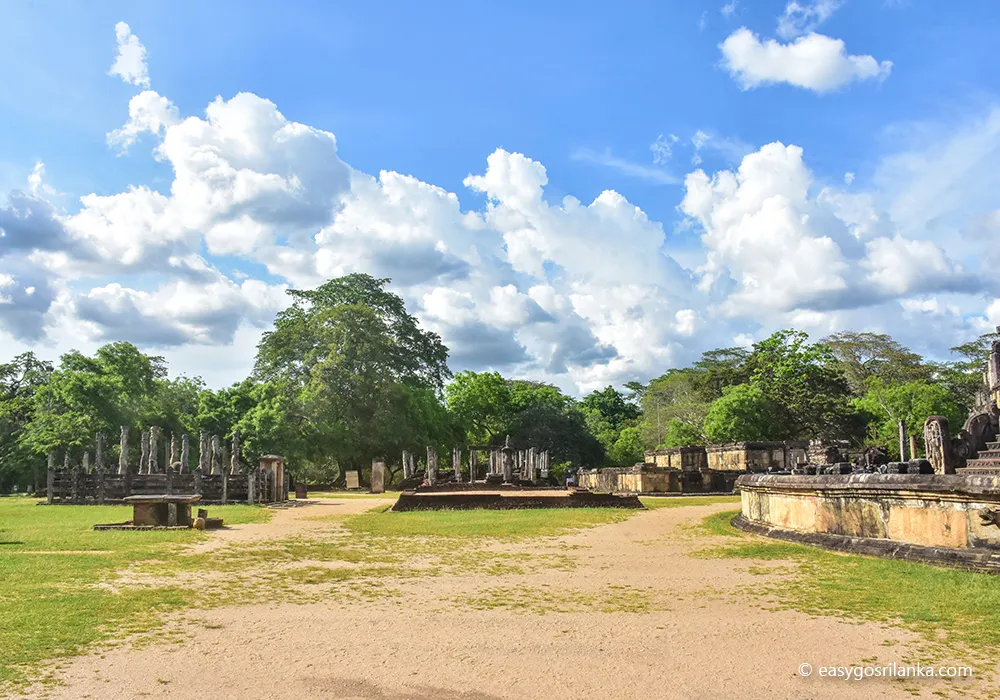
5. Sacred Quadrangle (Dalada Maluwa)
The Sacred Quadrangle is a compact archaeological complex containing some of the most important religious monuments in Polonnaruwa. It includes the Vatadage, Hatadage, Thuparama, and several other historic structures.
Why It Is Worth Visiting
The concentration of architectural masterpieces within a small area makes the Quadrangle one of the highlights of the ancient city. It provides an excellent introduction to the religious and cultural achievements of the Polonnaruwa era.
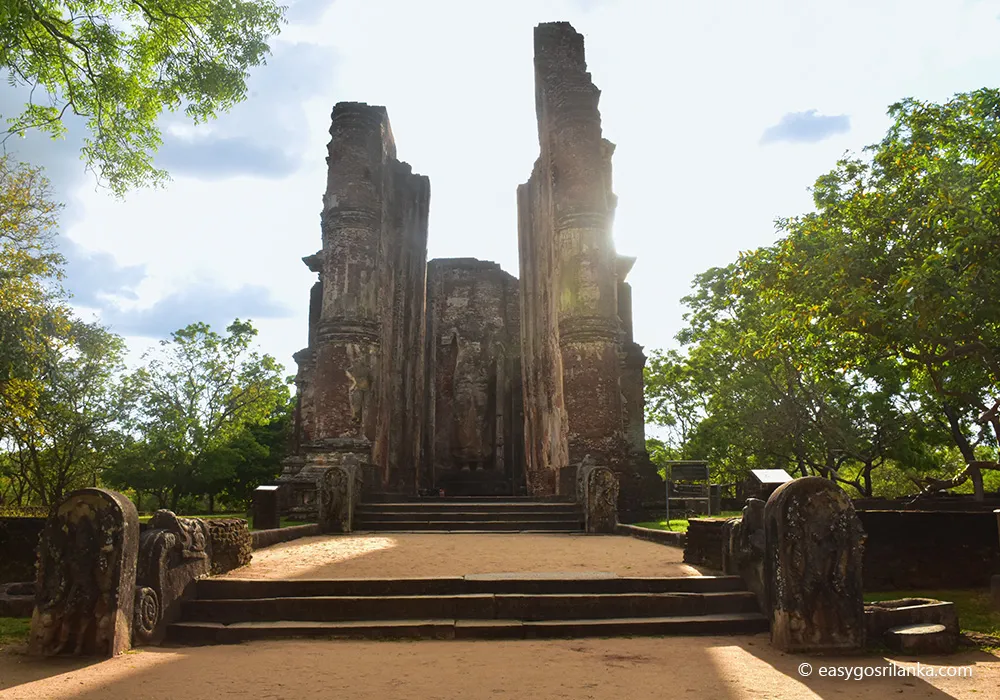
6. Lankatilaka Image House
Lankatilaka is a large brick-built shrine that once housed a towering Buddha statue. Although parts of the structure have been damaged over time, its impressive walls and architectural scale remain striking.
Why It Is Worth Visiting
The monument demonstrates the advanced construction techniques of the ancient kingdom and offers visitors a sense of the grandeur of medieval Buddhist architecture.
7. Thuparama Image House
Thuparama is one of the best-preserved roofed structures in Polonnaruwa. The shrine was built to protect a sacred Buddha image and features a unique vaulted brick roof.
Why It Is Worth Visiting
Its remarkable state of preservation provides valuable insight into ancient Sri Lankan engineering and architectural design.
8. Nissanka Latha Mandapaya
This unique stone structure was built by King Nissanka Malla and is distinguished by its elegantly carved stone pillars designed to resemble lotus stems.
Why It Is Worth Visiting
The monument showcases exceptional stone craftsmanship and is unlike any other structure found in Sri Lanka’s ancient cities.
9. Pabalu Vehera
Pabalu Vehera is a large ancient stupa believed to have been commissioned by a royal member of the Polonnaruwa Kingdom. The site remains an important religious monument within the archaeological park.
Why It Is Worth Visiting
Its historical significance and tranquil setting make it an excellent stop for visitors interested in Sri Lanka’s Buddhist heritage and ancient architecture.
Nearest Destinations
Polonnaruwa is strategically located within Sri Lanka’s Cultural Triangle, making it an excellent base for exploring nearby UNESCO World Heritage Sites, wildlife parks, and cultural attractions. Many travelers combine Polonnaruwa with these destinations to create a well-rounded Sri Lanka itinerary.
| Destination | Distance (Approx.) | Travel Time (Approx.) |
|---|---|---|
| Sigiriya | 55km | 1 hour |
| Dambulla | 65 km | 1 hour 15 minutes |
| Minneriya National Park | 30 km | 40 minutes |
| Kaudulla National Park | 40 km | 50 minutes |
| Habarana | 40 km | 45 minutes |
| Anuradhapura | 105 km | 2 hours |
| Ritigala | 55 km | 1 hour 15 minutes |
| Kandy | 140 km | 3.5 hours |
| Trincomalee | 105 km | 2.5 hours |
| Pasikudah | 75 km | 1.5 hours |
How to Reach Polonnaruwa
By Bus
Polonnaruwa is connected to many major cities through Sri Lanka’s public bus network.
Popular bus routes include:
- Colombo – Polonnaruwa
- Kandy – Polonnaruwa
- Dambulla – Polonnaruwa
- Anuradhapura – Polonnaruwa
- Trincomalee – Polonnaruwa
Buses are affordable and operate regularly throughout the day, making them a popular choice for budget-conscious travelers.
By Train
Polonnaruwa Railway Station is located on Sri Lanka’s Northern Railway Line. Train services connect the city with destinations such as Colombo, Anuradhapura, Vavuniya, Jaffna, and Trincomalee.
Traveling by train offers scenic views of rural Sri Lanka and can be an enjoyable experience for visitors looking to explore the country at a relaxed pace. It is advisable to check schedules and reserve seats in advance when possible.
Best Time to Visit Polonnaruwa
Polonnaruwa can be visited throughout the year, but weather conditions vary depending on the season. The best time to explore the ancient city is during the dry months when sightseeing is more comfortable and outdoor activities can be enjoyed without interruption.
Recommended Travel Period
For most travelers, the best overall time to visit Polonnaruwa is between December and April, when weather conditions are most favorable for exploring the ancient city, visiting nearby attractions, and enjoying outdoor activities throughout Sri Lanka’s Cultural Triangle.
Practical Travel Tips
- Start Early in the Morning
Begin your sightseeing early to avoid the midday heat and enjoy a more comfortable experience at the archaeological sites. - Rent a Bicycle
Cycling is one of the most popular ways to explore the ancient city. It allows you to cover more ground while enjoying the scenic surroundings. - Carry Plenty of Water
The weather in Polonnaruwa is typically warm and humid. Staying hydrated is essential, especially when spending several hours outdoors. - Wear Lightweight Clothing
Choose light, breathable clothing suitable for tropical temperatures. Comfortable walking shoes are highly recommended. - Use Sun Protection
Bring sunscreen, sunglasses, and a hat to protect yourself from strong sunlight throughout the day. - Allow a Full Day for Exploration
Polonnaruwa’s archaeological park is extensive. A full day gives you enough time to visit the major attractions without feeling rushed. - Hire a Local Guide
A knowledgeable guide can provide fascinating historical context and help you better understand the significance of the monuments. - Bring Cash
Small shops, local restaurants, and transportation providers may not accept card payments, so carrying Sri Lankan Rupees is advisable. - Respect Religious Sites
Many attractions are sacred Buddhist sites. Dress modestly and follow local customs when visiting temples and religious monuments. - Carry a Camera or Smartphone
The city offers excellent photography opportunities, including ancient ruins, stone carvings, wildlife, and scenic landscapes. - Check the Weather Forecast
Travel Guidelines
Following local customs and responsible tourism practices helps preserve Polonnaruwa’s cultural heritage while ensuring a respectful and enjoyable experience for everyone.
Cultural Etiquette
Sri Lanka has a rich cultural and religious heritage, and visitors are encouraged to show respect for local traditions.
- Dress modestly when visiting religious sites.
- Speak respectfully in temples and sacred areas.
- Avoid public displays of affection in religious locations.
- Ask permission before photographing local people.
Temple Etiquette
Many monuments within Polonnaruwa have religious significance and continue to be respected by Buddhist pilgrims.
- Remove shoes and hats before entering sacred areas.
- Cover shoulders and knees when visiting temples.
- Do not climb on statues, stupas, or sacred structures.
- Avoid turning your back directly toward Buddha statues when posing for photographs.
- Maintain a quiet and respectful atmosphere.
Photography Guidelines
Photography is generally permitted throughout the archaeological park, but certain practices should be avoided.
- Do not take disrespectful selfies with Buddha statues.
- Follow any posted photography restrictions.
- Use drones only where permitted by local regulations.
- Be mindful of other visitors when taking photographs.
Frequently Asked Questions About Polonnaruwa
Polonnaruwa is famous for being one of Sri Lanka’s ancient capitals and a UNESCO World Heritage Site. The city is renowned for its well-preserved archaeological ruins, including ancient temples, royal palaces, stupas, and the iconic Gal Vihara Buddha statues.
Yes, Polonnaruwa is one of the most rewarding destinations in Sri Lanka for travelers interested in history, culture, and architecture. Its impressive ruins, rich heritage, and UNESCO status make it a must-visit destination within Sri Lanka’s Cultural Triangle.
Most visitors spend one full day exploring the main archaeological sites. However, staying for two days allows more time to visit nearby attractions such as Minneriya National Park, Sigiriya, and Dambulla.
Cycling is one of the most popular and enjoyable ways to explore the ancient city, as the archaeological park covers a large area. Visitors can also hire tuk-tuks, private vehicles, or local guides for a more comfortable experience.
The best time to visit Polonnaruwa is generally from December to April, when the weather is drier and more suitable for sightseeing. Early mornings and late afternoons are particularly pleasant for exploring outdoor attractions.
Yes, it is possible to visit both destinations in one day, especially if you have private transportation. However, many travelers prefer to dedicate separate days to fully appreciate each UNESCO World Heritage Site.
Yes, Polonnaruwa is a family-friendly destination. Children often enjoy exploring the ancient ruins, spotting wildlife, and cycling through the archaeological park. Families should carry water, sun protection, and comfortable footwear.
Polonnaruwa is approximately 215 kilometers (134 miles) from Colombo. The journey typically takes around 4.5 to 5.5 hours by road, depending on traffic and weather conditions.
Yes, guided tours are widely available and highly recommended. Local guides can provide valuable insights into the history, architecture, and cultural significance of the monuments, making the experience more informative and enjoyable.
Several popular destinations are located near Polonnaruwa, including Sigiriya, Dambulla Cave Temple, Minneriya National Park, Kaudulla National Park, Habarana, and Anuradhapura. These attractions are often combined into a Cultural Triangle itinerary.
Yes, visitors are required to purchase an entrance ticket to access the main archaeological sites within the Ancient City of Polonnaruwa. Ticket prices and visitor regulations may change over time, so it is advisable to check the latest information before your visit.
Yes, the area around Polonnaruwa is home to a variety of wildlife, including monkeys, peacocks, monitor lizards, and numerous bird species. Nearby national parks such as Minneriya and Kaudulla offer excellent opportunities to see wild elephants and other native animals.