Best Time to Visit Sri Lanka: A Region-by-Region Guide
| Reading Time: 9 MinSri Lanka is a year-round travel destination, but the best time to visit depends on where you want to go. The island is influenced by two monsoon systems, so while one coast may be experiencing rain, another can have sunny and beach-friendly conditions. This guide explains the best times to visit Sri Lanka by region, helping you choose the right destinations for your travel dates and build a more comfortable itinerary.
There is no single “best month” to visit the whole of Sri Lanka.
That’s one of the most important things to understand when planning your trip.
Sri Lanka has a tropical climate, but its weather varies between the southwest coast, east coast, central highlands, Cultural Triangle and northern regions. The country’s two monsoon systems play a major role in these differences.
This means that if you are visiting Sri Lanka in July, for example, you don’t necessarily need to avoid the island because of rain. You may simply need to choose a different part of the country.
The key question is:
Where in Sri Lanka do you want to travel, and what experiences are most important to you?
Sri Lanka Weather at a Glance
| Period | General Weather Pattern | Best Areas to Consider |
|---|---|---|
| December – February | Drier conditions in the south and west; northeast monsoon affects the east/north | South Coast, West Coast, Cultural Triangle, Hill Country |
| March – April | Warm, transitional period with showers possible | Cultural Triangle, Hill Country, South/West |
| May – September | Southwest monsoon affects the south/west; east and northeast generally become more favorable | East Coast, North, Cultural Triangle |
| October – November | Inter-monsoon period; showers can occur across much of the island | Flexible itineraries; conditions vary |
Sri Lanka Tourism currently describes four broad climate periods: the March–April first inter-monsoon, May–September southwest monsoon, October–November second inter-monsoon and December–February northeast monsoon
Best Time to Visit by Region
1. South Coast of Sri Lanka
Best period: Generally November to April
Popular destinations:
The southern and southwestern coast is particularly attractive during the months when the sea and weather are generally more favorable.
Sri Lanka Tourism notes that the southwest coast tends to have sunnier conditions and calmer seas from around November to March, while the east coast becomes more favorable during the opposite monsoon period.
This makes the south a strong choice for travelers looking for:
- Beach holidays
- Galle Fort
- Surfing
- Coastal sightseeing
- Relaxation
- Whale-watching excursions, depending on conditions and season
If your trip is mainly focused on the southern beaches, December to March can be an especially attractive period. However, don’t choose your entire Sri Lanka itinerary based only on beach weather.
2. West Coast
Best period: Generally November to April
The western coastline includes Colombo, Negombo and several popular beach destinations.
This region can work particularly well at the beginning or end of a Sri Lanka trip because of its proximity to the country’s main international airport.
Consider the west coast if you want:
- Beach time
- Short stays near the airport
- City experiences
- Easy access to other parts of the country
3. East Coast of Sri Lanka
Best period: Generally May to September
The east coast becomes particularly attractive when the southwest monsoon is affecting the western and southern parts of the island.
Popular destinations include:
- Trincomalee
- Nilaveli
- Pasikuda
- Arugam Bay
- Batticaloa
Sri Lanka Tourism identifies the east coast as a strong option during the period when southwest monsoon conditions affect the opposite side of the island.
The east is especially interesting for travelers looking for:
- Beaches
- Surfing
- Snorkeling
- Diving
- A quieter coastal atmosphere
Arugam Bay
For surfers, the timing can be especially important because Arugam Bay’s surf season generally falls during the drier months of the east-coast season.
4. Central Highlands
Best period: Generally January to April for relatively drier conditions
The central highlands are cooler than Sri Lanka’s lowlands and include destinations such as:
- Kandy
- Nuwara Eliya
- Ella
- Haputale
- Hatton
Sri Lanka Tourism notes that the central highlands are pleasantly cool and relatively dry from January to April.
The region is ideal for:
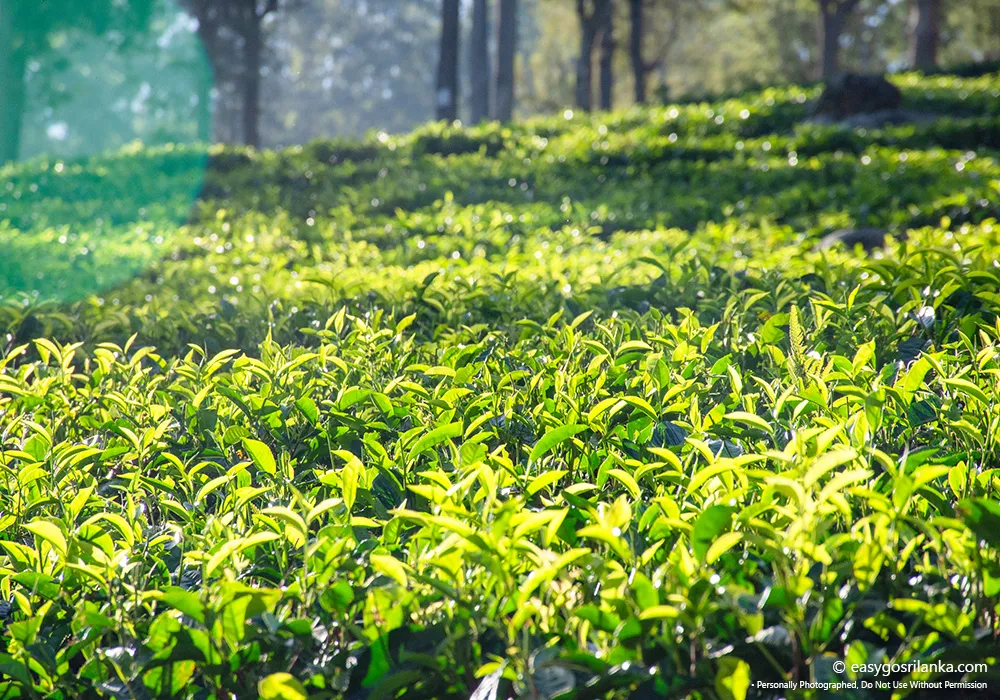
- Tea plantations
- Hiking
- Scenic train journeys
- Photography
- Waterfalls
- Mountain scenery
Even during the drier months, the hill country can be cool, misty or wet. Pack a light jacket and some rain protection rather than expecting consistently hot weather.
5. Cultural Triangle
Best period: Generally December to April, although the region can be visited year-round
The Cultural Triangle is one of the most important areas for travelers interested in Sri Lanka’s history and heritage.
Key destinations include:
The region is home to ancient cities, temples, archaeological sites and iconic landmarks.
Is the Cultural Triangle worth visiting during the rainy season?
Yes.
Rain does not necessarily mean that every day will be wet from morning to evening. Conditions can vary, and the region remains a worthwhile destination outside the traditional peak period.
For a comfortable sightseeing experience, however, travelers should be prepared for heat and occasional rain depending on the season.
6. Northern Sri Lanka
Best period: Generally December to March/April
Northern Sri Lanka has a different atmosphere from the country’s better-known southern destinations.
Consider visiting:
- Jaffna
- Delft Island
- Nagadeepa
- Point Pedro
- Northern cultural and religious sites
The north offers a distinct cultural experience, with strong Tamil cultural influences, Hindu temples, historic sites and a different coastal landscape.
For travelers who have already explored the classic Sri Lanka route, the north can be an interesting addition.
7. Wildlife Safaris
There isn’t one single safari season for the entire country.
Your choice of national park should depend on:
- Your travel dates
- The region you’re visiting
- Your overall route
- The type of wildlife experience you’re looking for
Popular choices include:
Yala National Park
Best considered when your itinerary includes the southern/eastern side of the island.
Udawalawe National Park
A useful choice when combining the hill country with the southern region.
Wilpattu National Park
A natural choice for travelers exploring the northwestern part of Sri Lanka.
Rather than choosing a park only because it is famous, consider which park fits your route and travel dates best.
8. Best Time for a Beach Holiday
This is where Sri Lanka’s regional climate becomes particularly useful.
November – April
Consider: South + West Coast
Examples:
May – September
Consider: East Coast
Examples:
- Trincomalee
- Nilaveli
- Pasikuda
- Arugam Bay
Sri Lanka Tourism specifically describes the island’s beaches as a year-round possibility because the monsoon systems affect different coasts at different times.
Best Time for Hiking and Outdoor Activities
If hiking is one of your main interests, consider the weather of the specific region rather than the whole island.
Good destinations to consider
Sigiriya
Good for combining history with a physical climb.
Pidurangala
Popular for its views toward Sigiriya.
Ella
Excellent for mountain scenery and hiking.
Horton Plains
Known for highland landscapes and trails.
Knuckles Mountain Range
Suitable for travelers looking for more nature-focused trekking.
Best Time for Photography
Sri Lanka is a photographer’s destination throughout the year, but the type of scenery you experience can change with the weather.
For mountains
Consider: January – April
for generally more favorable conditions in the central highlands, while still expecting some mist and changing weather.
For beaches
Choose the coast that is in its more favorable seasonal period.
For wildlife
Morning and late afternoon are generally valuable periods for photography because of softer light and wildlife activity, although actual sightings and conditions vary.
Can You Visit Sri Lanka During the Monsoon?
Yes.
This is an important point for first-time travelers.
The word “monsoon” doesn’t necessarily mean that the whole island experiences continuous rain.
Sri Lanka’s two monsoon systems affect different regions at different times. That is why a traveler can experience wet conditions on one coast while another part of the island has much better beach weather.
The key is to choose your route according to the season.
A Local Tip: Plan the Route Around the Weather
Rather than choosing your destinations first and worrying about the weather later, reverse the process.
Start with:
Travel dates → Weather → Region → Destinations → Experiences
For example, if you are visiting Sri Lanka in July and your main priority is a beach holiday, the east coast may be a better fit than the southwest coast.
If you’re visiting in January and want beaches, the south and west are generally stronger choices.
This small change in planning can make a big difference to your trip.
Planning Your Sri Lanka Trip Around the Seasons
Your travel dates shouldn’t prevent you from experiencing Sri Lanka. They should help determine which parts of the island you prioritize.
At Easy Go Sri Lanka, we can help you plan your route around your travel dates, interests and preferred pace.
For example, if you are traveling during the southwest monsoon, we can focus your itinerary on the east coast, Cultural Triangle and other suitable regions. If you are visiting during the more favorable period for the south and west, we can combine destinations such as Galle, Mirissa, Bentota, Kandy, Nuwara Eliya and Ella into a comfortable route.
→ Explore Our Sri Lanka Tours
→ Plan a Tailor-Made Sri Lanka Journey
→ Contact Easy Go Sri Lanka
FAQs
There isn’t one best month for the entire country. December to April is generally favorable for the south and west, while May to September is generally better for the east and north.
Yes. December is generally a good period for the south and west coasts and is also suitable for combining cultural and hill-country destinations.
Yes. July can be a good time to visit, particularly if your itinerary focuses on the east coast and northern regions. The southwest can experience monsoon conditions during this period.
Yes. Rainfall is regional, so you can often adjust your itinerary to focus on areas with more favorable conditions.
For the south and west coast, November to April is generally favorable. For the east coast, May to September is generally a stronger period.
The central highlands can be visited throughout the year. January to April is generally a relatively drier period, but weather can change quickly in the mountains.
October falls within the second inter-monsoon period, so conditions can be mixed. It can still be a worthwhile time to visit, but travelers should allow some flexibility for rain.