
A Guide to Anuradhapura’s Ancient City
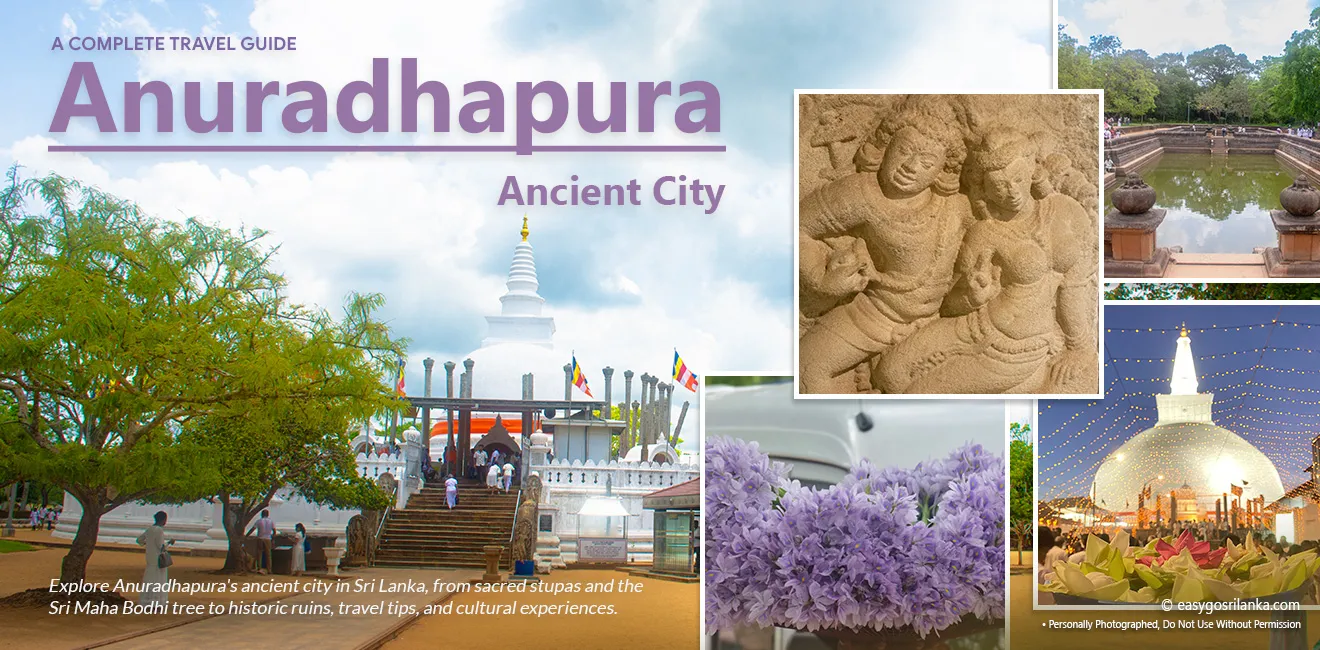
| Reading Time: 8 MinStep into the heart of Sri Lanka’s ancient civilization in Anuradhapura, a historic city filled with magnificent stupas, sacred Buddhist sites, and remarkable archaeological remains. Once the island’s first great capital, Anuradhapura flourished for centuries as a center of royal power, religion, culture, and engineering. Today, this UNESCO World Heritage Site offers travelers an opportunity to explore one of Sri Lanka’s most important historical destinations. From the revered Sri Maha Bodhi tree to enormous brick stupas and ancient stone carvings, every corner reveals a story about the island’s past. Whether you are interested in history, architecture, Buddhism, or cultural travel, Anuradhapura deserves a place on your Sri Lanka itinerary.
A Brief History of Anuradhapura
Anuradhapura served as the capital of an ancient Sri Lankan kingdom for more than a thousand years. It became an important center of Buddhism following the religion’s introduction to the island and developed into a major religious and political hub.
The city’s rulers constructed monumental stupas, monasteries, palaces, reservoirs, and sophisticated irrigation systems. These achievements demonstrate the engineering skills and organizational abilities of ancient Sri Lankan society.
Although political power eventually shifted to other cities, Anuradhapura remained an important pilgrimage destination. Its archaeological remains and continuing religious traditions make it a unique place to experience Sri Lanka’s living heritage.
The Sacred City of Anuradhapura was inscribed on the UNESCO World Heritage List in 1982.
Best Places to Visit in Anuradhapura Ancient City
1. Sri Maha Bodhi Tree
The Sri Maha Bodhi is one of the most sacred Buddhist sites in Sri Lanka. This revered fig tree is associated with a sapling brought from the original Bodhi tree in Bodh Gaya, India, under which the Buddha attained enlightenment.
Traditionally dated to 288 BCE, it is widely recognized as one of the oldest historically documented living trees.
The tree continues to attract pilgrims who come to offer flowers, pray, and participate in religious observances. Even for visitors without a religious connection, the atmosphere provides a meaningful insight into Sri Lanka’s Buddhist traditions.
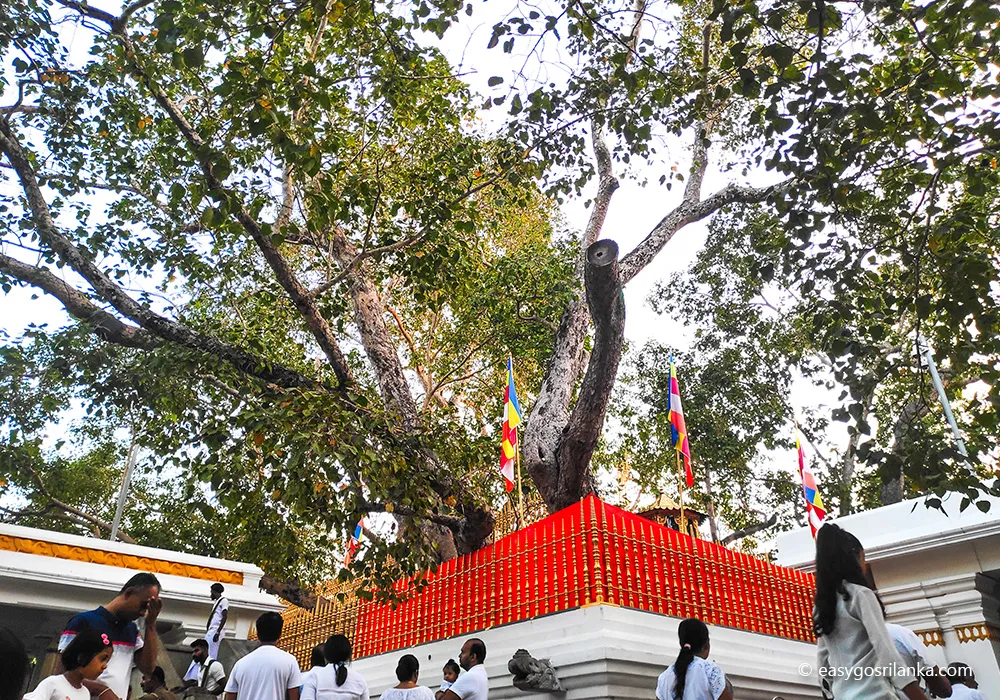
Travel tip: Dress modestly, remove your footwear where required, and be respectful when taking photographs around worshippers.
2. Ruwanwelisaya Stupa
Ruwanwelisaya is one of Anuradhapura’s most recognizable landmarks. Its impressive white dome, spacious surroundings, and carefully maintained religious precinct make it a highlight of any visit.
Built under the patronage of King Dutugemunu, the stupa holds deep significance for Buddhist devotees. Visitors can walk around the monument, observe religious offerings, and admire its distinctive architecture.
The site is especially atmospheric during religious observances, when devotees gather with flowers and traditional offerings.
3. Jetavanaramaya Stupa
Jetavanaramaya stands as a remarkable example of ancient brick construction. Its enormous scale reflects the architectural ambition and technical knowledge of the Anuradhapura kingdom.
The monument was once among the tallest structures of the ancient world and remains one of the most impressive archaeological features in the city.

Take time to appreciate the stupa from different viewpoints and notice the surrounding remains of the ancient monastic complex.
4. Abhayagiri Monastery Complex
The Abhayagiri complex was an important center of Buddhist learning and monastic life. Today, its extensive ruins include a monumental stupa, remnants of monastic buildings, stone carvings, and ancient bathing facilities.
Compared with some of the city’s more frequently visited shrines, exploring this wider complex can help visitors understand how religious communities lived and studied in ancient Sri Lanka.
Allow enough time to explore the grounds rather than visiting only the main monument.
5. Thuparamaya
Thuparamaya is traditionally regarded as the earliest stupa built in Sri Lanka following the introduction of Buddhism. Its religious significance and distinctive architectural features make it an important stop for anyone interested in the island’s Buddhist heritage.
The monument is smaller than some of Anuradhapura’s giant stupas, but its historical importance makes it well worth visiting.
6. Isurumuniya Temple
Isurumuniya is a historic rock temple known for its carved stone reliefs and distinctive setting. The temple’s sculptures, including the famous relief commonly known as the Isurumuniya Lovers, attract visitors interested in ancient Sri Lankan art.
Its combination of rock formations, religious architecture, and intricate carvings provides a different experience from the enormous stupas elsewhere in the city.
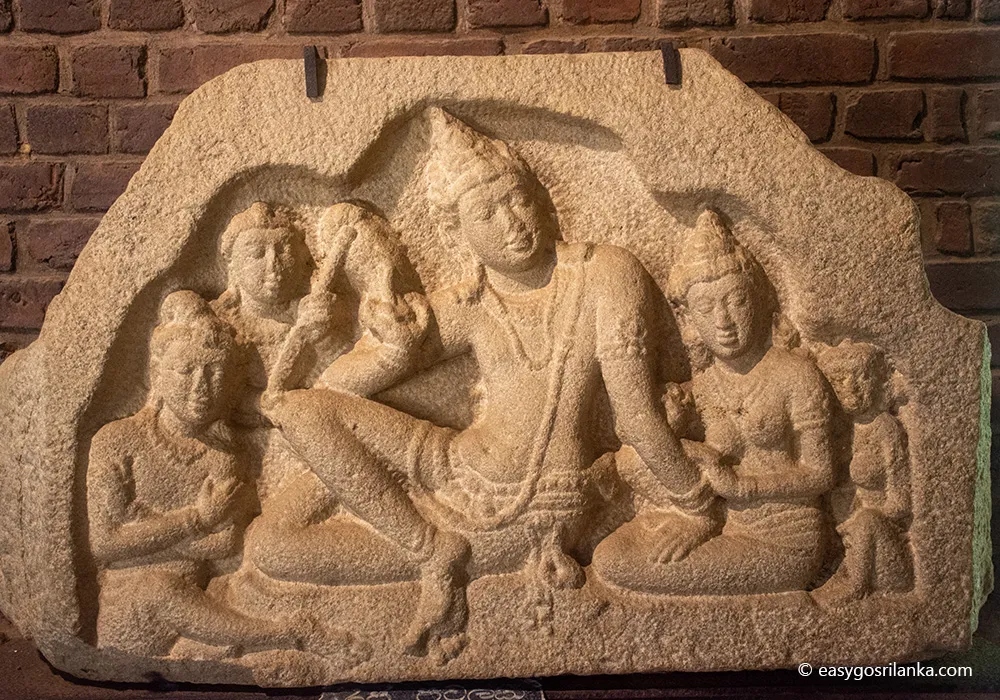
Take time to look closely at the stonework and learn about the different interpretations of the sculptures.
7. Kuttam Pokuna (Twin Ponds)
The Twin Ponds are among the most impressive examples of ancient water engineering in Anuradhapura. These carefully constructed bathing pools feature stone steps, symmetrical design, and detailed craftsmanship.
They provide a glimpse into the sophistication of the city’s monastic architecture and water-management systems.
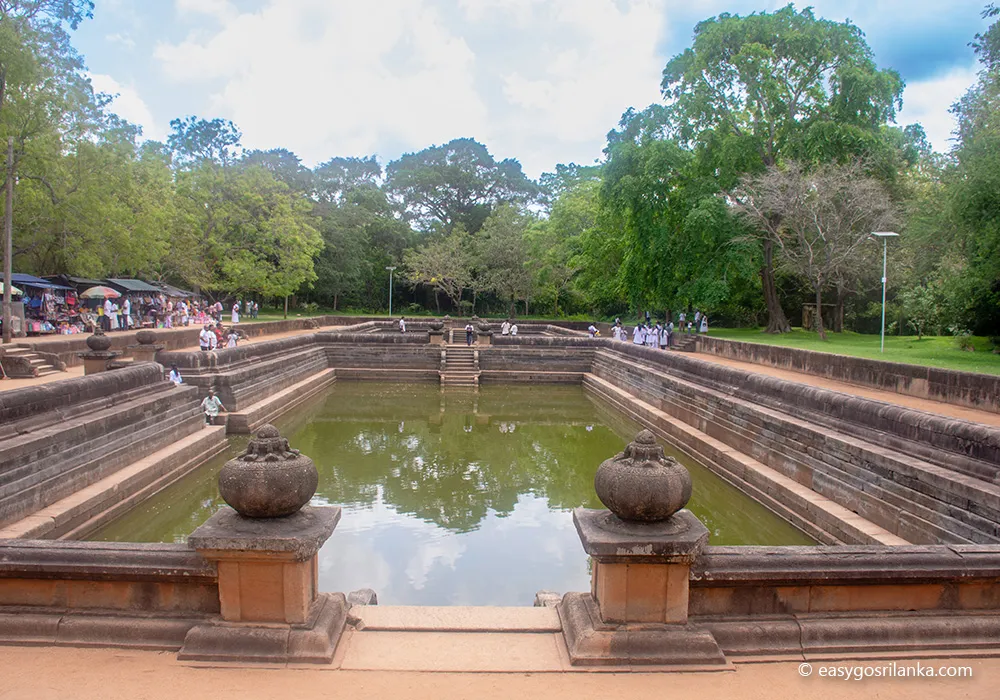
For photography enthusiasts, the stonework and reflections can create beautiful compositions, particularly during quieter periods.
8. Samadhi Buddha Statue
The Samadhi Buddha is a renowned ancient sculpture depicting the Buddha in a meditative posture. Its calm expression and refined craftsmanship make it one of the city’s most memorable artistic treasures.
The statue is an excellent stop for travelers who want to appreciate the artistic achievements of ancient Sri Lanka as well as its monumental architecture.
9. Mirisawetiya Stupa
Mirisawetiya is another significant stupa associated with King Dutugemunu. Its peaceful surroundings offer another opportunity to appreciate Anuradhapura’s religious landscape and architectural heritage.
Consider including it alongside Ruwanwelisaya and other nearby sites when planning your sightseeing route.
How to Explore Anuradhapura Ancient City
Anuradhapura covers a large area, and its attractions are spread across multiple archaeological and religious precincts. Planning your route in advance will help you make the most of your visit.
- By private vehicle: A car with a driver is a convenient option for covering the main monuments and nearby attractions without excessive walking.
- By bicycle: Cycling is a popular way to explore the ancient city, especially for travelers who enjoy outdoor sightseeing. Consider the heat, distances, and road conditions before choosing this option.
- By tuk-tuk: A tuk-tuk can be useful for shorter journeys between sites, particularly if you arrange the route with a local driver.
- On foot: Walking is ideal for exploring individual temple grounds and archaeological areas, but covering the entire ancient city on foot can be tiring.
A knowledgeable local guide can add considerable value by explaining the history, symbolism, and cultural significance of the monuments.
Best Time to Visit Anuradhapura
The dry season, particularly from January to April, is often a comfortable period for exploring Anuradhapura. However, the city can be visited throughout the year, and weather conditions vary.
The tropical heat can be intense, especially around midday, when many archaeological sites offer limited shade. Start early in the morning or visit selected monuments later in the afternoon to make sightseeing more comfortable.
If you are visiting during a major Buddhist festival or religious observance, expect larger crowds at important sacred sites.
What to Wear and Bring
Anuradhapura is both an archaeological destination and an active religious center, so visitors should prepare accordingly.
- Wear clothing that covers your shoulders and knees at sacred sites.
- Carry a scarf or light cover-up if needed.
- Wear comfortable footwear for walking between monuments.
- Be prepared to remove shoes and hats in designated religious areas.
- Bring drinking water, sunscreen, sunglasses, and a hat.
- Carry some cash for small purchases and local services.
- Ask permission before photographing people, and follow any photography restrictions.
Paths and paved areas can become very hot underfoot. Footwear that is easy to remove is particularly useful when visiting multiple religious sites.
How Much Time Do You Need?
A full day is a good starting point for exploring the main monuments of Anuradhapura. It allows time to visit several important stupas, the Sri Maha Bodhi tree, and selected archaeological attractions without rushing excessively.
If you are especially interested in history, photography, or Buddhist heritage, consider spending two days in the area. This gives you more flexibility to explore additional ruins and nearby Mihintale, another important destination associated with the history of Buddhism in Sri Lanka.
Discover Sri Lanka’s Ancient Heritage with Easy Go Sri Lanka
Anuradhapura offers a remarkable journey into Sri Lanka’s past, from towering stupas and ancient monasteries to sacred trees and sophisticated water systems. Its combination of history, spirituality, and architecture makes it an essential destination for travelers who want to understand the island beyond its beaches and natural landscapes.
With Easy Go Sri Lanka, you can include Anuradhapura in a tailor-made journey designed around your interests. Whether you want to explore ancient cities, visit Buddhist temples, or combine cultural landmarks with wildlife and scenic destinations, we can help you plan your trip.
→ Explore Our Sri Lanka Tours
→ Plan a Tailor-Made Sri Lanka Journey
→ Contact Easy Go Sri Lanka
Explore our Sri Lanka tour itineraries or contact Easy Go Sri Lanka to start planning your cultural journey.
Frequently Asked Questions
Yes. Anuradhapura is one of Sri Lanka’s most significant cultural destinations, offering impressive ancient architecture, sacred Buddhist sites, historic sculptures, and evidence of sophisticated irrigation systems.
Access and ticketing arrangements depend on the monument and the areas you plan to visit. Check the Central Cultural Fund’s official ticket information before your trip, as fees and arrangements can change.
Yes. One full day is enough to see several of the major highlights, especially with a planned route or private transport. A longer stay is recommended if you want to explore the wider archaeological area at a relaxed pace.
Yes. Many sites remain active places of worship and pilgrimage. Visitors should dress modestly, behave respectfully, and follow local instructions.
Absolutely. Anuradhapura can be included in a cultural itinerary with destinations such as Sigiriya, Dambulla, and Polonnaruwa. Mihintale is also a worthwhile nearby excursion.
