Quick Facts

Best For
Nature Lovers, Tea Enthusiasts & Photographers

Suitable For
Most Travelers

Main Highlights
Tea Fields, Mountain Views & Tea Culture

Location
Sri Lanka’s Central Highlands
Overview
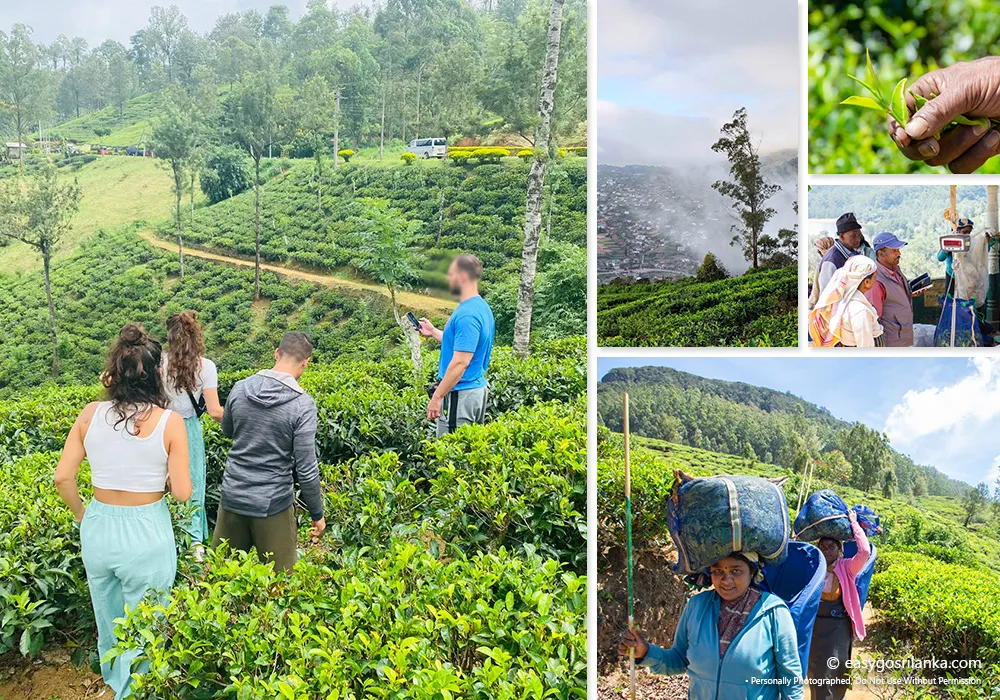
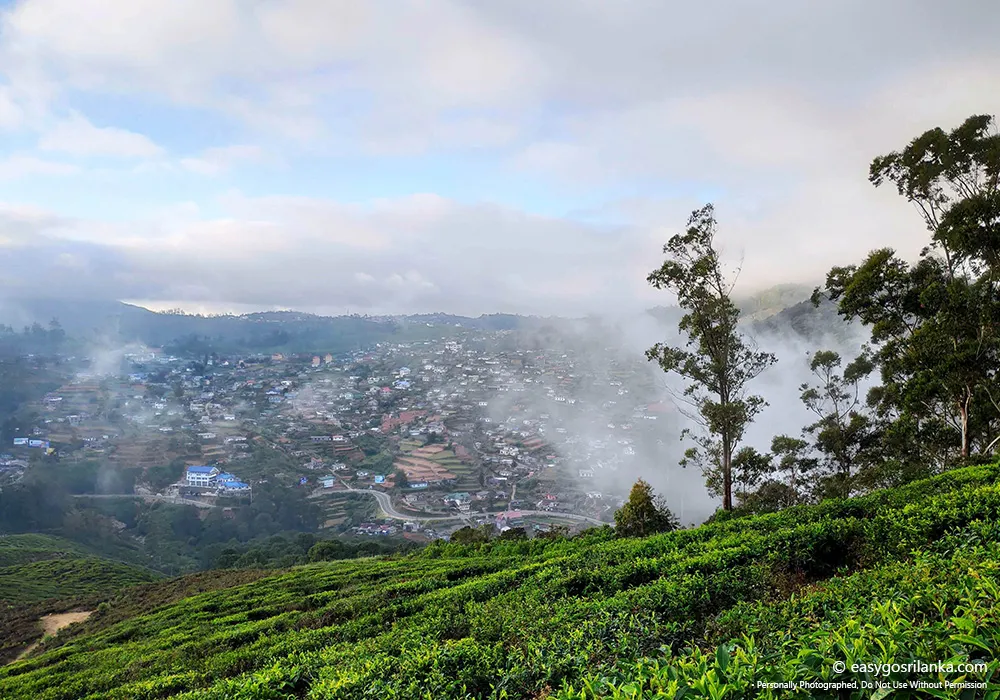
Sri Lanka’s tea country is one of the island’s most distinctive landscapes. Rolling green hills covered with neatly arranged tea bushes stretch across the Central Highlands, creating some of the country’s most scenic rural environments.
A Tea Plantation Walk allows travelers to explore this landscape at a slower pace while learning how tea is cultivated and harvested.
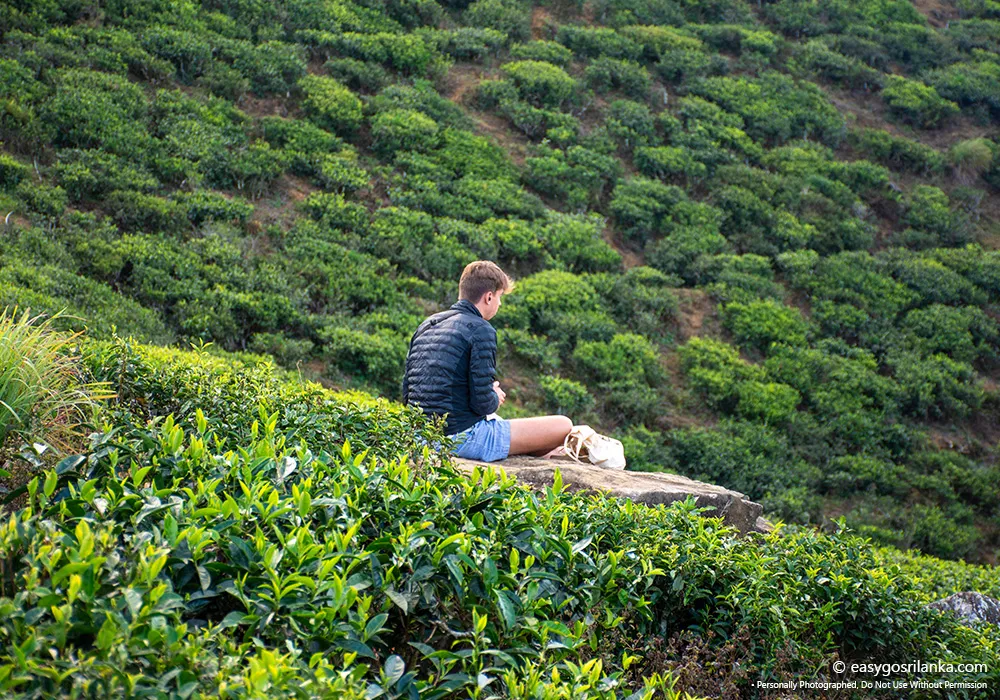
Walking through a tea estate gives you the opportunity to see tea bushes up close, observe workers picking young tea leaves, and learn how altitude, climate, rainfall, and soil influence tea cultivation.
Depending on the location and estate, the walk may pass through tea fields, small streams, forest patches, estate roads, viewpoints, and rural communities.
The experience can also provide insight into the history of Sri Lanka’s tea industry and the communities whose work continues to support tea production today.
For travelers visiting Nuwara Eliya, Ella, Kandy, Haputale, or other parts of the hill country, a tea plantation walk is an excellent way to experience the landscape beyond the main tourist attractions.
Highlights
- Walk through beautiful Sri Lankan tea plantations.
- Explore the scenic Central Highlands.
- See tea bushes growing across mountain slopes.
- Learn how tea is cultivated and harvested.
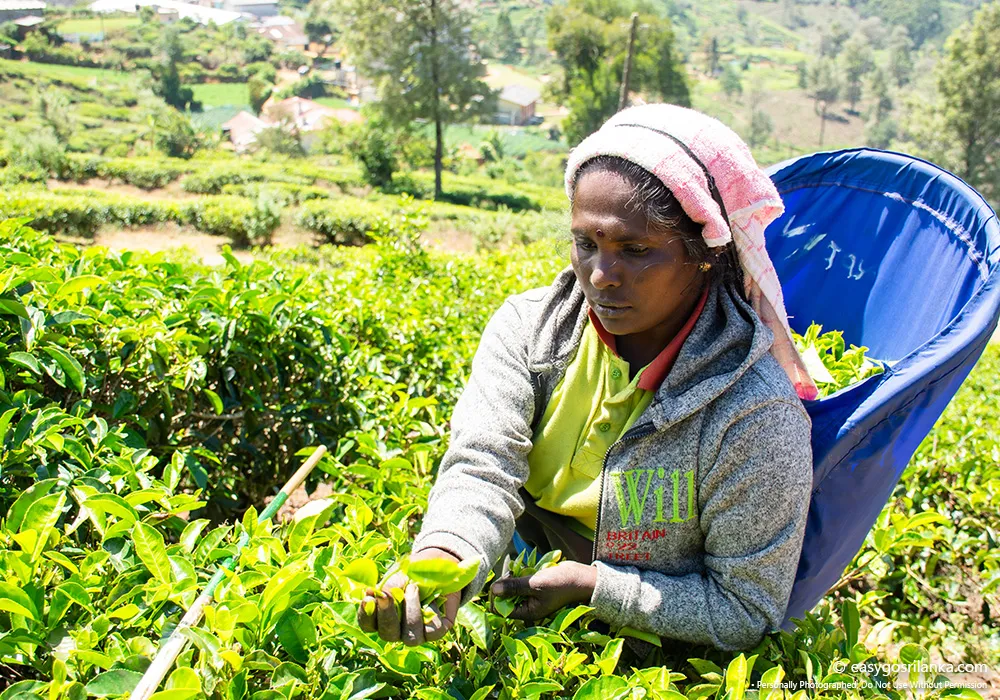
- Observe traditional tea-picking practices.
- Meet tea workers where appropriate.
- Enjoy panoramic mountain and valley views.
- Experience the cool highland climate.
- Discover Sri Lanka’s tea-growing heritage.
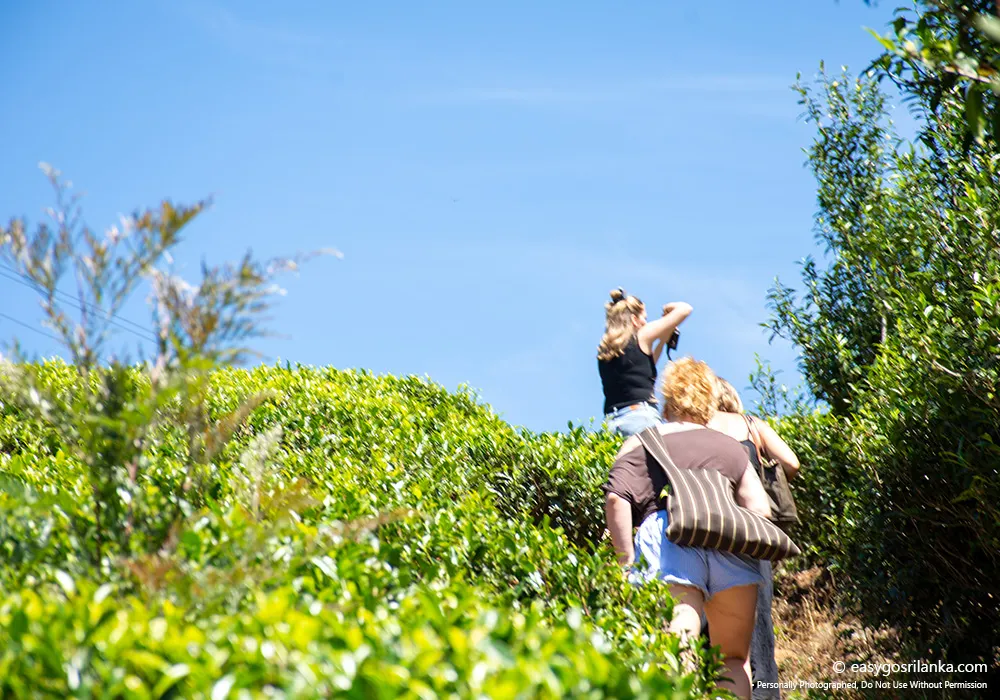
- Photograph scenic tea landscapes.
- Learn how elevation affects tea cultivation.
- Combine the walk with a tea factory visit or tasting.
Why You Should Experience a Tea Plantation Walk
A tea plantation walk provides a more immersive way to experience Sri Lanka’s famous tea country.
Instead of simply viewing tea plantations from a vehicle, walking through the estate allows you to appreciate the landscape at a much closer level.
You can see the structure of the tea bushes, observe how new leaves are selected, and learn about the work involved in maintaining a productive tea estate.
The surrounding scenery is another major attraction. Many plantations are located on steep hillsides surrounded by forests, valleys, waterfalls, and distant mountain peaks.
The pace is generally relaxed, making the experience suitable for travelers who want to combine nature, culture, photography, and light physical activity.
Best Places for Tea Plantation Walks in Sri Lanka
1. Nuwara Eliya
Nuwara Eliya is one of Sri Lanka’s most famous tea-growing regions.
The area’s high elevation, cool temperatures, misty conditions, and rolling hills create an iconic tea-country landscape.
Tea plantation walks around Nuwara Eliya can be combined with tea factory visits, waterfalls, viewpoints, and other attractions.
2. Ella
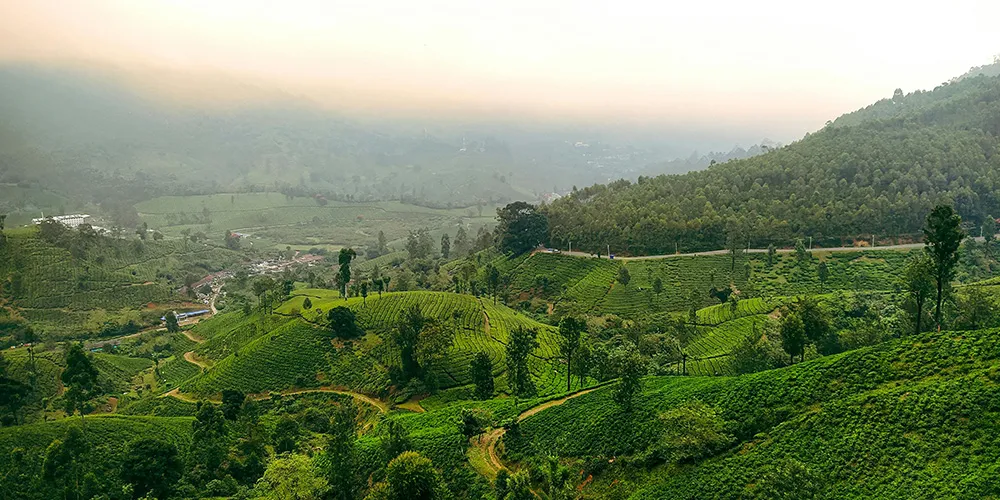
Ella is surrounded by dramatic mountains and tea-covered hills.
The area offers a combination of scenic walking trails, tea estates, villages, and viewpoints, making it particularly attractive to travelers who want to combine a tea experience with hiking.
3. Haputale
Haputale is located among spectacular mountain scenery and tea plantations.
The area is known for panoramic views across the surrounding landscape and provides excellent opportunities for walking through tea country.
4. Kandy
The hills surrounding Kandy are part of Sri Lanka’s historic tea-growing region.
Tea plantation experiences near Kandy can be conveniently combined with cultural attractions and other activities in the central region.
5. Uva Tea Region
The Uva region is another important tea-growing area with distinctive mountain landscapes.
Visitors exploring the hill country around Bandarawela and surrounding areas can include tea plantation walks in their itinerary.
Best Time to Visit
Tea plantation walks can be enjoyed throughout the year, but morning and late afternoon are generally the most comfortable times for walking and photography.
Morning
Morning walks offer:
- Cooler temperatures
- Fresh mountain air
- Softer natural light
- Good photography conditions
- Potential opportunities to observe tea-picking activities
Late Afternoon
Late afternoon provides:
- Comfortable temperatures
- Soft light across the tea fields
- Beautiful mountain scenery
- Pleasant walking conditions
Weather in the Central Highlands can change quickly, so carrying light rain protection is recommended..
What to Expect
A Tea Plantation Walk usually begins at a tea estate or designated meeting point before continuing into the plantation.
Your guide may explain the history of the estate, the tea-growing process, and the characteristics of the local region.
As you walk between rows of tea bushes, you can learn how tea plants are maintained and why only certain young leaves are selected for production.
If tea workers are present, you may observe them harvesting leaves using traditional hand-picking methods. Always remember that they are working and should not be interrupted.
Depending on the route, the walk may include gentle slopes, estate roads, narrow paths, and uneven ground.
You may also pass through areas with spectacular views over valleys and mountains.
Some experiences finish with a visit to a tea factory or a tea tasting, allowing you to connect the plantation experience with the production and tasting of Ceylon tea.
Difficulty & Suitability
Difficulty: Easy to Moderate
Most tea plantation walks are not technically difficult, but some estates are located on steep hillsides.
The difficulty depends on the length of the route, terrain, weather, and elevation.
Suitable For
- Families
- Couples
- Solo travelers
- Senior travelers with reasonable mobility
- Nature lovers
- Tea enthusiasts
- Photographers
- Hiking beginners
- Culture enthusiasts
Travelers with mobility concerns should choose a shorter route on flatter estate roads.
What to Bring
- Comfortable walking shoes
- Lightweight clothing
- Light rain jacket or umbrella
- Hat or cap
- Sunscreen
- Drinking water
- Insect repellent
- Camera
- Small backpack
- Light sweater or jacket
The highlands can feel cool, particularly in the morning and during rainy weather.
Safety Tips
- Stay on designated plantation paths.
- Follow your guide’s instructions.
- Wear appropriate footwear.
- Be careful on wet or muddy slopes.
- Watch your step around uneven ground.
- Stay hydrated.
- Protect yourself from the sun.
- Carry rain protection.
- Do not enter restricted plantation areas.
- Do not disturb tea workers.
- Avoid touching unfamiliar plants.
- Be cautious near steep slopes and exposed edges.
Responsible Tea Plantation Tourism
Tea plantations are working agricultural environments as well as tourist destinations.
Visitors should respect the people who work there and the natural environment.
Good Practices
- Ask permission before photographing tea workers.
- Do not interrupt workers while they are harvesting.
- Stay on permitted paths.
- Do not damage tea plants.
- Do not pick tea leaves unless specifically invited.
- Avoid littering.
- Respect plantation rules.
- Support legitimate local tea experiences.
- Purchase tea from reputable local producers where possible.
Responsible tourism helps ensure that tea estates remain productive and welcoming places for future visitors.
Tea Picking Experience
Some tea estates may allow visitors to try traditional tea picking under supervision.
If this is offered, a local guide or tea worker can demonstrate how young leaves are selected and collected.
The experience should always be conducted with permission and respect for the workers and the plantation.
It is an opportunity to better understand the physical work involved in producing tea rather than simply a photo opportunity.
Travel Tips
- Wear shoes with good grip.
- Start early if you want to observe tea picking.
- Check the weather before setting out.
- Bring a rain jacket during the wetter months.
- Ask how long and difficult the walking route will be.
- Combine the walk with a tea factory tour.
- Try locally produced Ceylon tea after the walk.
- Bring a camera for the mountain scenery.
- Avoid rushing—the landscape is best enjoyed at a relaxed pace.
- Consider hiring a knowledgeable local guide.
Related Destinations
Explore Sri Lanka’s scenic tea-growing destinations:
- Nuwara Eliya
- Ella
- Haputale
- Kandy
- Bandarawela
- Hatton
- Ramboda
- Uva
- Dambulla
Related Activities
Discover more experiences in Sri Lanka’s tea country:
- Tea Factory Tour
- Tea Tasting Experiences
- Scenic Photography Tours
- Train Journey Kandy–Ella
- Lipton’s Seat Hike
- Little Adam’s Peak Hike
- Ella Rock Hike
- Village Tour
- Waterfall Tours
- Sunrise Viewpoints
Frequently Asked Questions (FAQ)
A Tea Plantation Walk is a guided or self-guided walking experience through a working tea estate where visitors can learn about tea cultivation, harvesting, and Sri Lanka’s tea-growing heritage.
Popular regions include Nuwara Eliya, Ella, Haputale, Kandy, Hatton, and the Uva tea-growing region.
You may see tea workers harvesting tea, particularly during active picking periods. However, working schedules vary, and visitors should not interrupt workers.
Some plantations may offer supervised tea-picking experiences. Availability depends on the individual estate.
Most walks are easy to moderate. Some plantations are located on steep hills, so the difficulty depends on the route and terrain.
Yes. Families can enjoy tea plantation walks, particularly on shorter and easier routes. Children should remain with adults and follow the guide’s instructions.
Wear comfortable clothing and shoes with good grip. A light jacket or rain protection is useful because weather can change quickly in the highlands.
Morning is often a good time to visit if you want a chance to observe tea harvesting, but activity depends on the estate’s schedule and weather.
Yes. Combining a plantation walk with a tea factory tour and tasting provides a more complete understanding of how Ceylon tea is grown, processed, and prepared.
Tea plantations can be visited throughout the year, although weather conditions and tea-picking activity vary by region and season.
Book This Experience
Walk Through the Landscapes Behind Ceylon Tea
Explore rolling tea fields, meet the people behind Sri Lanka’s tea industry, and discover the landscapes that have made Ceylon tea famous around the world.
Experience Sri Lanka’s tea country with Easy Go Sri Lanka and enjoy a memorable plantation walk through the island’s beautiful highlands.