Quick Facts

Best For
Wildlife Lovers, Photographers, Bird Watchers & Nature Enthusiasts

Difficulty
Easy

Main Wildlife
Leopards, Sloth Bears, Elephants, Deer, Buffalo, Crocodiles & Birds

Best Time
Dry periods generally offer good wildlife viewing.
Overview
Wilpattu National Park is one of Sri Lanka’s most important wildlife destinations and is particularly famous for its leopards, natural lakes, and extensive wilderness. Located in the northwestern and north-central parts of the island, Wilpattu is one of Sri Lanka’s oldest and largest national parks.
The name Wilpattu is associated with the park’s distinctive willus, natural shallow basins that collect rainwater. These water-filled depressions are an important feature of the park’s landscape and contribute to the variety of habitats found throughout the area.
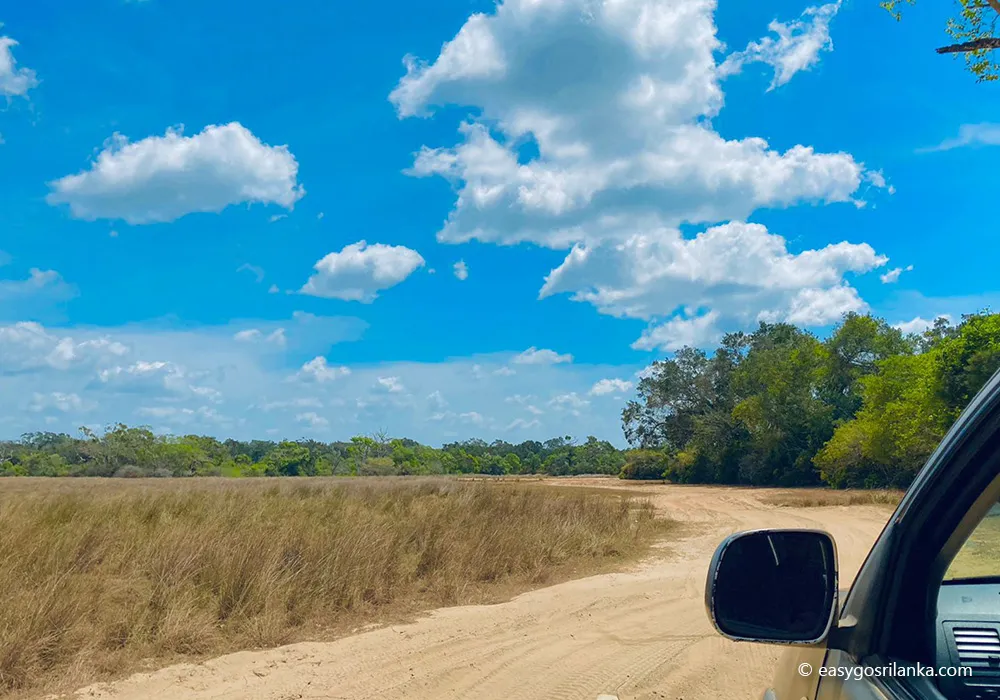
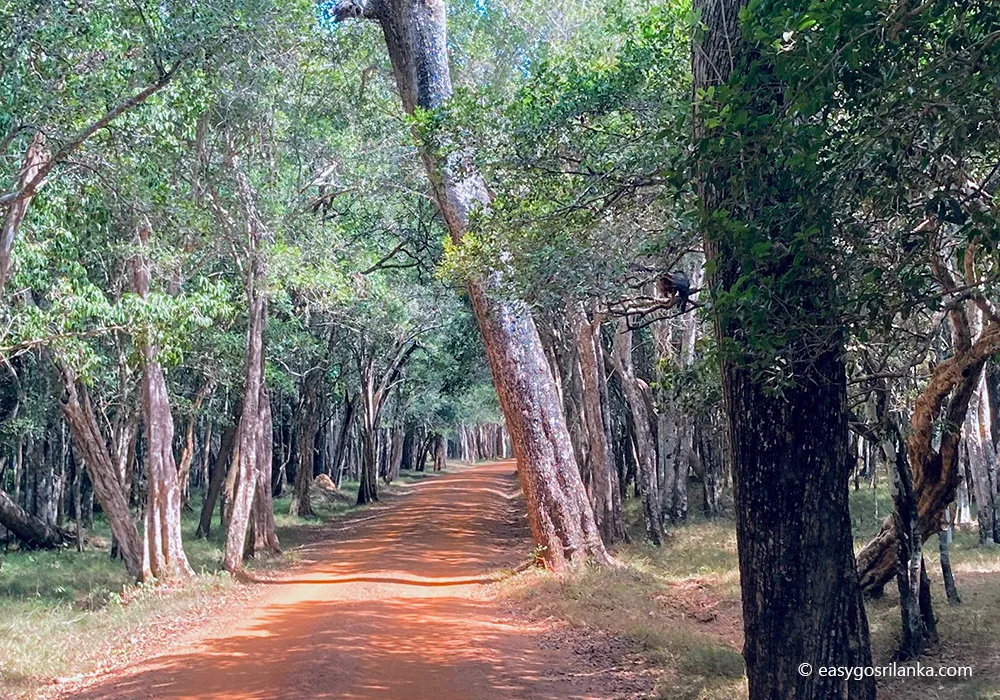
Unlike the more open landscapes of Udawalawe, Wilpattu has extensive areas of dense forest, scrubland, grassland, and wetlands. This creates a more secluded and wilderness-focused safari experience.
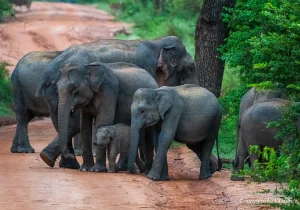
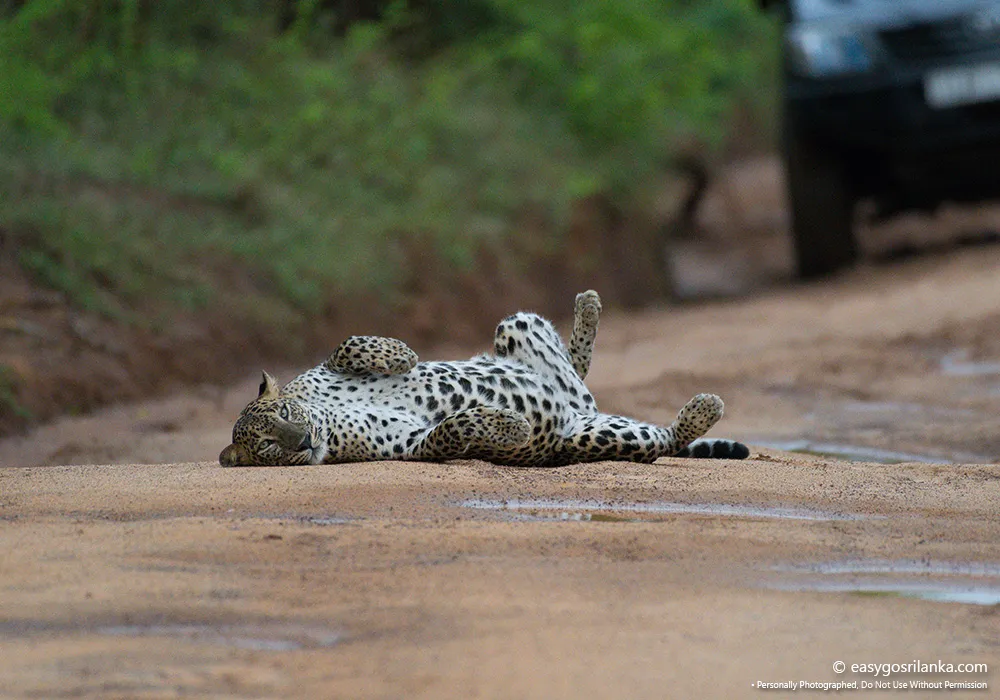
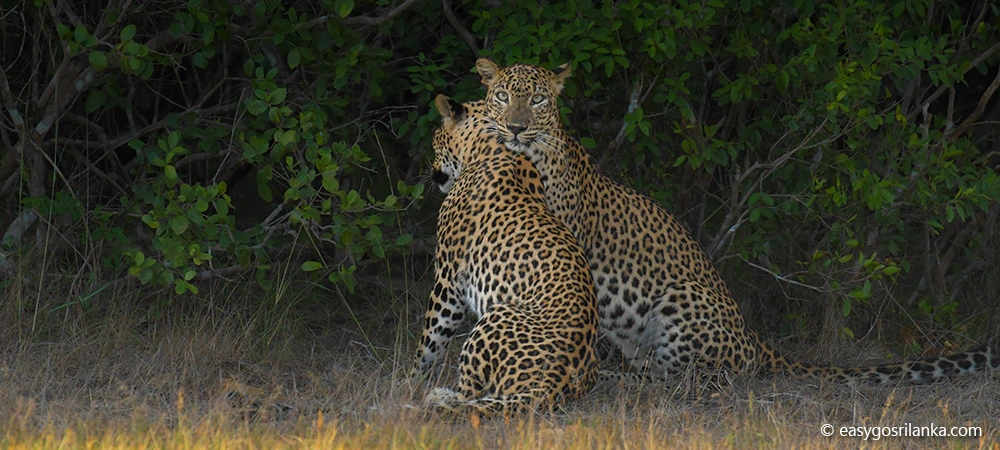
Wilpattu is renowned for its leopard population, but these elusive cats are only one part of the park’s wildlife. Visitors may also encounter Sri Lankan sloth bears, elephants, spotted deer, sambar deer, wild buffalo, wild boar, crocodiles, monkeys, reptiles, and numerous bird species.
A typical safari takes place in a specially adapted 4WD jeep along designated tracks. The slower pace and extensive wilderness make Wilpattu particularly appealing to travelers who enjoy wildlife observation, nature photography, and exploring less-developed natural environments.
Highlights
- Search for Sri Lankan leopards in their natural habitat.
- Explore one of Sri Lanka’s oldest and largest national parks.
- Discover the park’s famous natural willus.
- Look for the elusive Sri Lankan sloth bear.
- Observe wild elephants and other large mammals.
- Spot deer, wild buffalo, wild boar, and monkeys.
- Watch crocodiles around lakes and wetlands.
- Explore forests, grasslands, scrubland, and wetlands.
- Enjoy a quieter and more wilderness-focused safari experience.
- Capture unique wildlife and landscape photographs.
- Discover a wide variety of resident and migratory birds.
Why You Should Experience a Safari in Wilpattu
Wilpattu offers a different type of safari experience from Sri Lanka’s more heavily visited wildlife parks. Its extensive forests, natural lakes, and relatively secluded landscapes create an authentic sense of wilderness.
The park is especially attractive to travelers interested in leopards and sloth bears. While sightings of these animals can never be guaranteed, the possibility of encountering them in such a natural environment adds to the excitement of every safari.
Wilpattu is also ideal for photographers and nature lovers. The combination of forest, open clearings, natural lakes, and changing light creates a diverse backdrop for wildlife photography.
For travelers who prefer a quieter atmosphere and enjoy spending time observing nature rather than simply counting animal sightings, Wilpattu can be an exceptional addition to a Sri Lanka itinerary.
Best Places to Experience Wildlife in Wilpattu
1. Wilpattu National Park
The main attraction is the national park itself, where safari tracks pass through a variety of habitats. The park’s large size means that each safari can provide a different experience.
2. Natural Willus
The natural lakes, known locally as willus, are among Wilpattu’s defining features. These shallow water bodies attract wildlife and provide important water sources within the dry-zone landscape.
3. Open Grasslands & Clearings
Open areas within the forest can provide better visibility for spotting elephants, deer, buffalo, and other wildlife.
4. Forested Areas
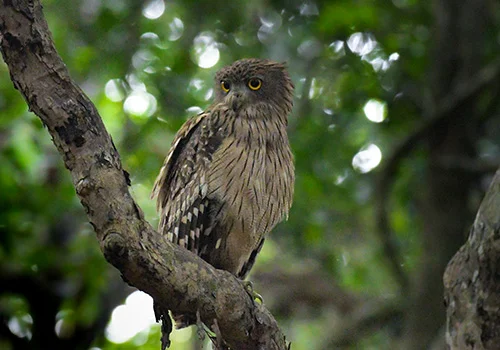
Wilpattu’s extensive forest habitats provide shelter for many animals, including leopards, sloth bears, monkeys, and numerous bird species.
5. Waterholes & Wetlands
Water sources can become particularly important during drier periods, when wildlife may gather around available water.

Best Time to Visit
Wilpattu can be visited throughout the year, although wildlife viewing conditions change according to rainfall, water availability, vegetation, and seasonal conditions.
Dry Periods
During drier conditions, wildlife may be easier to observe around natural lakes, waterholes, and other remaining water sources.
Wet Periods
Rainfall brings fresh vegetation and replenishes the park’s willus and other water bodies. The landscape can become particularly green and scenic, although wildlife may be more dispersed.
Best Time of Day
Early Morning
- Cooler temperatures
- Pleasant safari conditions
- Good opportunity for active wildlife
- Excellent soft morning light
Late Afternoon
- Cooler temperatures
- Beautiful natural light
- Potential for increased wildlife activity
An early-morning safari is an excellent choice for travelers who want to maximize comfortable wildlife viewing conditions.
Important: Park access, routes, and visitor arrangements can change according to weather, conservation requirements, and park management decisions. Check current information before traveling.
What to Expect
A Wilpattu safari generally begins with an early-morning or afternoon departure in a specially adapted 4WD safari jeep.
After entering the park, your driver follows designated tracks through forests, grasslands, scrubland, and areas surrounding the natural willus. Unlike a conventional sightseeing tour, the route is influenced by wildlife movements and current conditions.
You may encounter spotted deer grazing in open areas, elephants moving through the forest, crocodiles near water, monkeys in the trees, or colorful birds around the park’s wetlands.
A leopard sighting can be one of the most exciting moments of a Wilpattu safari. However, leopards are naturally elusive, and there is no guarantee that you will see one. The same applies to sloth bears and other less frequently observed wildlife.
The park’s large size and natural environment mean that some periods of the safari may involve simply traveling through the wilderness without seeing large animals. This is an important part of the Wilpattu experience.
The reward comes when wildlife suddenly appears—a leopard crossing the track, an elephant emerging from the forest, or a sloth bear appearing near a clearing.
Difficulty & Suitability
Difficulty: Easy
A Wilpattu safari does not require physical fitness because visitors remain inside the safari vehicle for most of the experience.
Suitable For
- Families
- Couples
- Solo travelers
- Senior travelers
- Wildlife enthusiasts
- Photographers
- Bird watchers
- Nature lovers
- First-time safari visitors
Considerations
Safari tracks can be uneven, and the jeep may experience significant movement on rough terrain.
The safari can also involve several hours in the vehicle, so travelers should be prepared for a relatively long period of sitting and occasional bouncing.
What to Bring
- Comfortable lightweight clothing
- Neutral or earth-tone clothing
- Hat or cap
- Sunglasses
- Sunscreen
- Drinking water
- Camera with spare batteries
- Binoculars
- Small backpack
- Insect repellent
- Light jacket for early-morning safaris
- Motion-sickness medication if needed
Safety Tips
- Always follow instructions from your safari driver and wildlife guide.
- Remain inside the vehicle unless you are specifically instructed that it is safe to exit.
- Never attempt to feed or approach wild animals.
- Keep a safe distance from elephants and other wildlife.
- Never encourage the driver to chase or harass animals.
- Do not make loud noises to attract wildlife.
- Avoid flash photography if it could disturb animals.
- Do not leave the designated safari tracks.
- Never litter inside the national park.
- Allow animals to cross the road without obstruction.
- Respect all park regulations and conservation guidelines.
Wilpattu’s official visitor code of conduct includes requirements such as remaining on designated roads, not provoking or chasing wildlife, not feeding animals, and keeping the environment free of litter.
Travel Tips
- Choose a responsible safari operator with experienced drivers.
- Consider an early-morning safari for cooler conditions and good wildlife activity.
- Bring binoculars to observe distant animals and birds.
- Use a telephoto lens if wildlife photography is important to you.
- Wear neutral-colored clothing for a comfortable nature experience.
- Carry enough water for the safari.
- Allow additional travel time when visiting from Anuradhapura or other nearby destinations.
- Stay near the park entrance if you want to start your safari early.
- Be patient—Wilpattu is a large wilderness area, and wildlife sightings can take time.
- Do not judge the quality of a safari solely by the number of animals you see.
- Respect the park’s wildlife and natural environment.
- Check current park access, opening arrangements, and permit requirements before traveling.
The Department of Wildlife Conservation provides an official online process for reserving day-visitor permits, including selecting the national park and date and submitting visitor and vehicle information.
Related Destinations
Explore more destinations around Wilpattu and northern Sri Lanka:
- Wilpattu
- Anuradhapura
- Puttalam
- Kalpitiya
- Mannar
- Sigiriya
- Dambulla
- Jaffna
Related Activities
Discover more wildlife and nature experiences:
- Safari in Yala
- Safari in Udawalawe
- Elephant Gathering in Minneriya
- Bird Watching
- Whale Watching
- Dolphin Watching
- Turtle Conservation Visits
- Rainforest Walks
- Lagoon Tours
- Scenic Photography Tours
Frequently Asked Questions (FAQ)
Wilpattu is home to Sri Lankan leopards, sloth bears, elephants, spotted deer, sambar deer, wild buffalo, wild boar, crocodiles, monkeys, and many species of birds.
Yes. Wilpattu is internationally recognized for its leopard population and is one of Sri Lanka’s important destinations for leopard safaris. However, leopard sightings are never guaranteed because they are wild and elusive animals.
Wilpattu is particularly known for its extensive forest landscape, natural willus, and quieter wilderness atmosphere. Yala is more widely known for its high leopard density and diverse habitats. Both parks offer excellent but different wildlife experiences.
A willu is a natural shallow basin or lake that collects rainwater. These distinctive water bodies are an important feature of Wilpattu’s landscape and provide valuable water sources for wildlife.
Early morning and late afternoon are generally comfortable times for safari drives. Morning safaris can provide cooler conditions and good opportunities to observe active wildlife.
Safari experiences can range from several hours to a full day, depending on the route and safari arrangement. Half-day safaris are a popular option for travelers with limited time.
Yes. Children can enjoy a Wilpattu safari because there is little physical activity involved. Parents should consider the duration of the safari and whether younger children are comfortable sitting in a jeep for several hours.
Wilpattu is one of the Sri Lankan national parks where sloth bears can be found. However, they are elusive and sightings are relatively unpredictable, so no responsible safari operator should guarantee an encounter.
Book This Experience
Explore the Wild Heart of Wilpattu
Venture into one of Sri Lanka’s oldest and largest national parks and discover a landscape shaped by forests, grasslands, wetlands, and natural willus. Search for elusive leopards, sloth bears, elephants, crocodiles, deer, and colorful birdlife while experiencing the peaceful wilderness of Wilpattu.
Plan your Wilpattu safari with Easy Go Sri Lanka and discover one of Sri Lanka’s most rewarding wildlife destinations through a carefully planned travel experience.