Quick Facts

Distance from Colombo
~ Approximately 180 km

Travel from Colombo
Around 4–5 hours

Area
Approximately 1,317 sq km

Location
Northwestern Sri Lanka
Overview
Wilpattu National Park is the largest national park in Sri Lanka, covering more than 1,300 square kilometers of forests, scrublands, grasslands, and wetlands. Located in the island’s northwest, the park is famous for its unique “villus”—natural sand-rimmed lakes that collect rainwater and attract a remarkable variety of wildlife throughout the year.
Unlike many other safari parks, Wilpattu offers a peaceful and less crowded experience. Its dense forests and expansive landscapes create a true sense of wilderness, making every safari feel like an expedition into untouched nature.
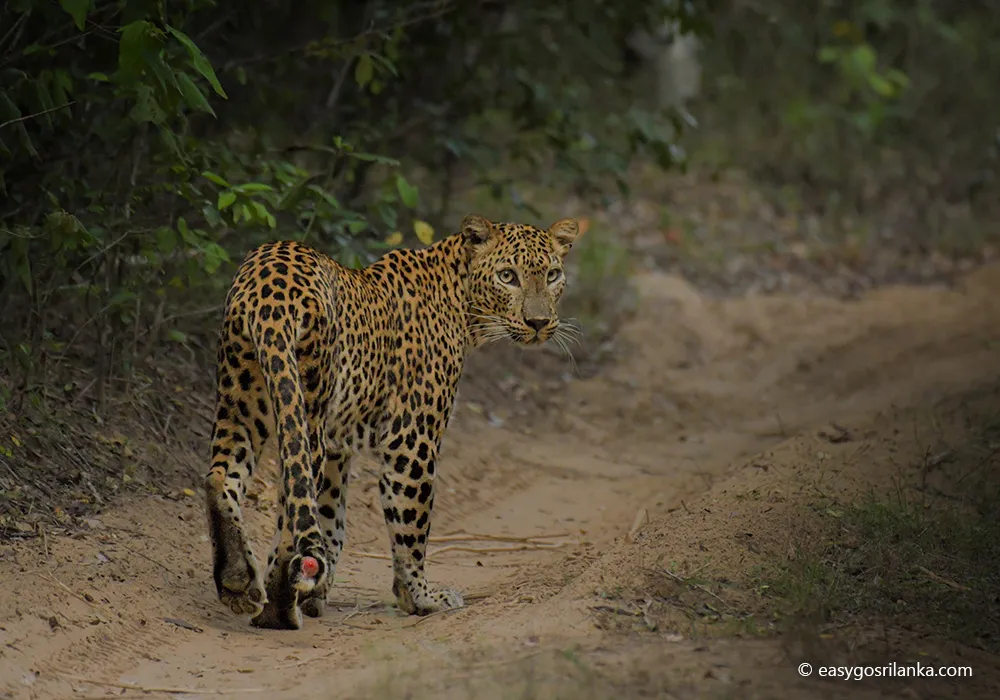
The park is one of the best places in Sri Lanka to spot the elusive Sri Lankan leopard, although sightings often require patience due to the thicker vegetation. Wilpattu is also home to Asian elephants, sloth bears, spotted deer, sambar deer, crocodiles, water buffalo, jackals, and a wide range of reptiles.
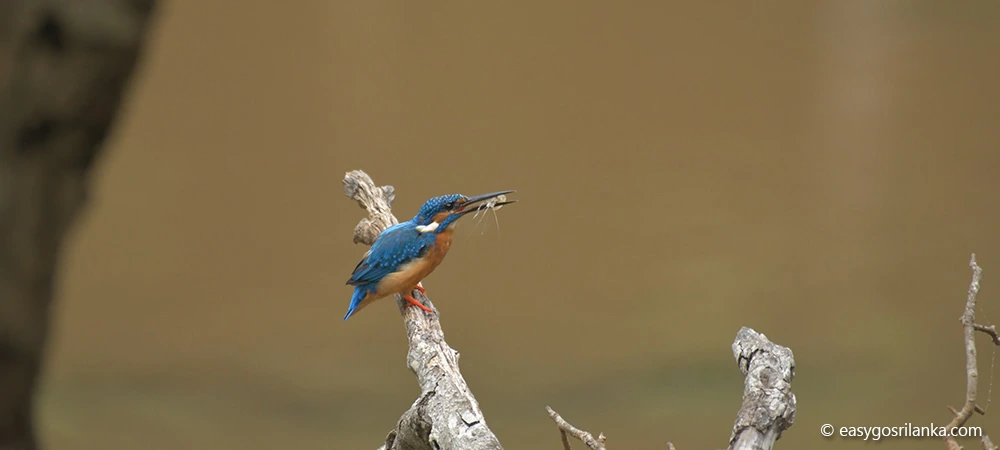
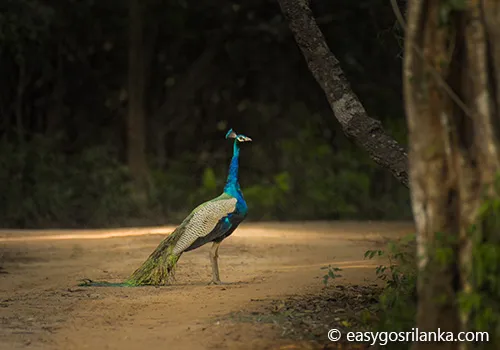
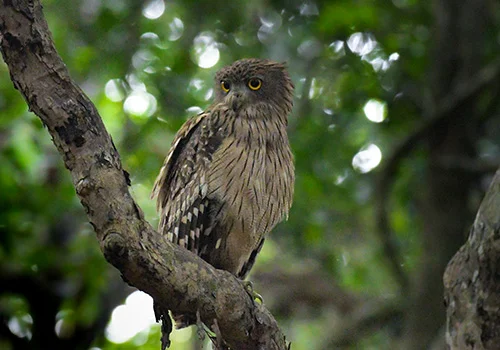
Birdwatchers will appreciate the park’s rich avian diversity, with over 200 recorded bird species inhabiting the forests, wetlands, and villus. Eagles, painted storks, owls, kingfishers, hornbills, and migratory birds are commonly observed.
For travelers seeking an authentic safari away from busy tourist routes, Wilpattu National Park offers one of Sri Lanka’s most rewarding wildlife experiences.
Why Visit Wilpattu National Park?
- Explore Sri Lanka’s largest national park
- Search for the elusive Sri Lankan leopard
- Experience a quieter safari with fewer crowds
- Discover the park’s unique natural villus
- Observe elephants, sloth bears, crocodiles, and deer
- Enjoy excellent birdwatching opportunities
- Capture stunning wildlife photographs
- Experience untouched wilderness and diverse ecosystems
Highlights of Wilpattu National Park
- Leopard safaris
- Natural villus (rain-fed lakes)
- Asian elephants
- Sloth bears
- Crocodiles
- Birdwatching
- Jeep safaris
- Dense forests
- Wildlife photography
- Peaceful safari experience
Things to Do in Wilpattu National Park
1. Go on a Jeep safari
A guided jeep safari is the best way to explore Wilpattu’s vast wilderness.
Visitors can enjoy:
- Wildlife viewing
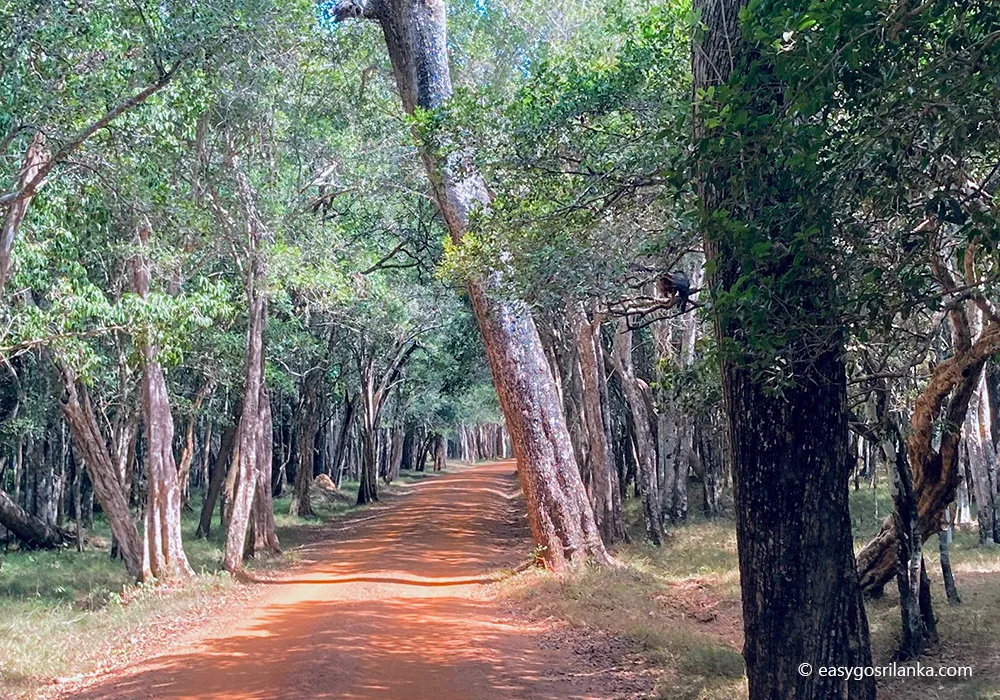
- Scenic forest drives
- Photography
- Nature interpretation
The park’s expansive landscapes and fewer visitors create a peaceful and immersive safari experience.

2. Search for Sri Lankan Leopards
Wilpattu is one of Sri Lanka’s premier destinations for leopard sightings.
Visitors may observe:
- Leopards resting beneath trees
- Hunting behavior
- Leopards crossing safari tracks
Although sightings require patience, encountering a leopard in Wilpattu’s wilderness is an unforgettable experience.
3. Observe Asian Elephants
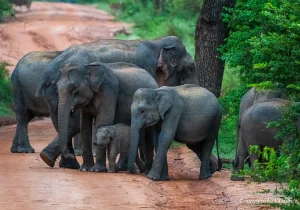
Several elephant herds inhabit the park throughout the year.
Visitors may see:
- Family groups
- Young calves
- Solitary bulls near watering holes
Wilpattu offers natural elephant encounters in a tranquil environment.
4. Visit the Natural Villus
The park’s unique villus are shallow natural lakes surrounded by forests.
Visitors may observe:
- Water birds
- Crocodiles
- Deer
- Elephants
These wetlands support much of the park’s biodiversity and provide excellent wildlife viewing.

5. Go Birdwatching
Wilpattu is home to more than 200 bird species.
Common sightings include:
- Painted storks
- Grey-headed fish eagles
- Hornbills
- Peacocks
- Kingfishers
- Owls
The mix of forests and wetlands makes Wilpattu one of Sri Lanka’s best birdwatching destinations.


6. Photograph Wildlife
The park offers exceptional opportunities for wildlife and landscape photography.
Popular subjects include:
- Leopards
- Elephants
- Sloth bears
- Villus
- Forest scenery
Wilpattu’s natural beauty creates spectacular photography throughout the year.
7. Search for Sloth Bears
Wilpattu is one of the best places in Sri Lanka to spot sloth bears, particularly during the fruiting season.
Seeing a wild sloth bear is a rare and memorable safari highlight.
8. Enjoy the Wilderness Experience
Unlike more crowded parks, Wilpattu allows visitors to appreciate the sounds and beauty of untouched nature.
It offers one of Sri Lanka’s most peaceful safari adventures.
Top Attractions in Wilpattu National Park
1. Wilpattu Safari Trails
A network of scenic jeep routes passing through forests, grasslands, and wetlands. These trails provide excellent opportunities to observe wildlife in natural surroundings.
2. Natural Villus
Rain-fed lakes unique to Wilpattu National Park. The villus attract numerous animals and birds, making it a prime wildlife viewing location.
3. Leopard Habitat
Forested areas known for regular leopard activity. Wilpattu is considered one of Sri Lanka’s top destinations for leopard safaris.
4. Wildlife Observation Areas
Open clearings and watering holes frequented by elephants, deer, and birds. They offer excellent wildlife photography opportunities.
5. Forest Ecosystems
Dense dry-zone forests covering much of the park. They create a true wilderness atmosphere unlike any other national park in Sri Lanka.
Nearest Destinations from Wilpattu National Park
| Destination | Distance | Travel Time |
|---|---|---|
| Wilpattu Park Entrance (Hunuwilagama) | 5 km | 10 min |
| Anuradhapura | 45 km | 1 hr |
| Mihintale | 55 km | 1 hr 15 min |
| Mannar | 95 km | 2 hrs |
| Kalpitiya | 120 km | 2.5–3 hrs |
| Puttalam | 85 km | 1.5–2 hrs |
| Sigiriya | 125 km | 2.5–3 hrs |
| Colombo | 180 km | 4–5 hrs |
Best Time to Visit Wilpattu National Park
Peak Season: February to October
Best for:
- Leopard sightings
- Wildlife photography
- Dry weather
- Jeep safaris
Shoulder Season: November
Ideal for:
- Fewer visitors
- Pleasant temperatures
- Green landscapes
Practical Travel Tips
- Book your safari through a licensed operator with an experienced guide.
- Morning safaris generally provide the best opportunities for wildlife sightings.
- Wear neutral-colored clothing to blend into the surroundings.
- Bring binoculars for spotting distant animals and birds.
- Carry sunscreen, insect repellent, a hat, and plenty of drinking water.
- Be patient—Wilpattu rewards slow, quiet observation.
- Never leave your vehicle unless instructed by park authorities.
- Keep noise to a minimum to avoid disturbing wildlife.
- Bring a camera with a zoom lens for photography.
- Combine Wilpattu with Anuradhapura, Mihintale, or Kalpitiya for a diverse northern Sri Lanka itinerary.
Frequently Asked Questions (FAQ) About Wilpattu National Park
Yes. Wilpattu is one of Sri Lanka’s best safari destinations, offering fewer crowds, diverse wildlife, and a true wilderness experience.
It is famous for its Sri Lankan leopards, natural villus, sloth bears, elephants, and peaceful jeep safaris.
Both parks are excellent. Yala offers a higher chance of leopard sightings due to its open terrain, while Wilpattu provides a quieter safari experience with fewer vehicles and a more remote wilderness atmosphere.
Most jeep safaris last between 3 and 4 hours, with full-day safaris also available.
Yes. Asian elephants are commonly seen throughout the park, especially near the villus and watering holes.
February to October is generally the best period for wildlife viewing and comfortable safari conditions.