
Best Wildlife Experiences in Sri Lanka
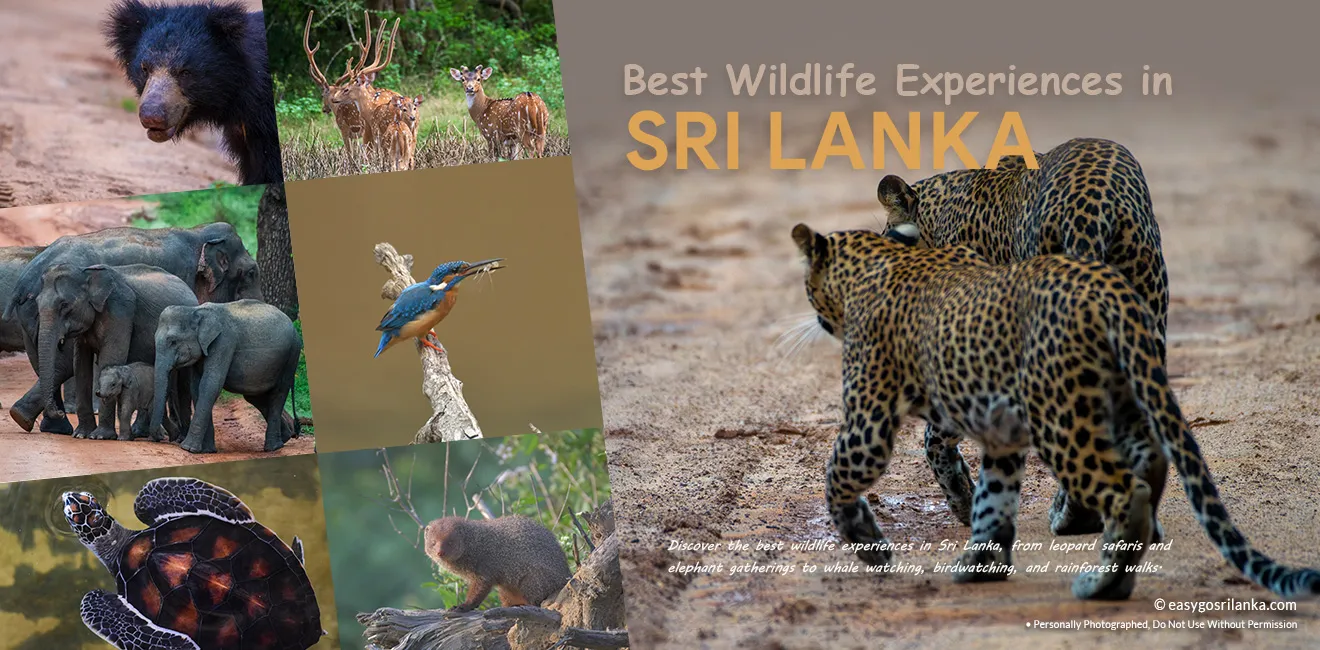
| Reading Time: 6 MinSri Lanka is an excellent destination for wildlife lovers, offering opportunities to see elephants, leopards, monkeys, colorful birds, marine animals, and many other species in their natural habitats. From national park safaris to rainforest walks and whale-watching trips, the island offers a variety of experiences throughout the year. Choosing the right destination and season can help you make the most of your wildlife adventure while respecting the animals and their environment.
1. Go on a Safari in Yala National Park
Yala National Park is one of Sri Lanka’s best-known wildlife destinations, particularly for travelers hoping to see leopards. Safaris also offer opportunities to encounter elephants, crocodiles, deer, wild boar, and numerous bird species.
Wildlife sightings are never guaranteed, so enjoy the overall experience rather than focusing on a single animal. Choose a responsible safari operator whose drivers follow park rules and maintain appropriate distances from wildlife.

Explore our guide to Safari in Yala.
2. See Elephants in Udawalawe National Park
Udawalawe National Park is a popular choice for observing Sri Lankan elephants in open grasslands and around water sources. Its landscape often makes wildlife easier to spot than in more densely forested areas, although sightings still depend on conditions.
A morning or afternoon jeep safari can be a rewarding experience for families, photographers, and first-time safari visitors.
Learn more about Safari in Udawalawe.
3. Discover Wildlife in Wilpattu National Park
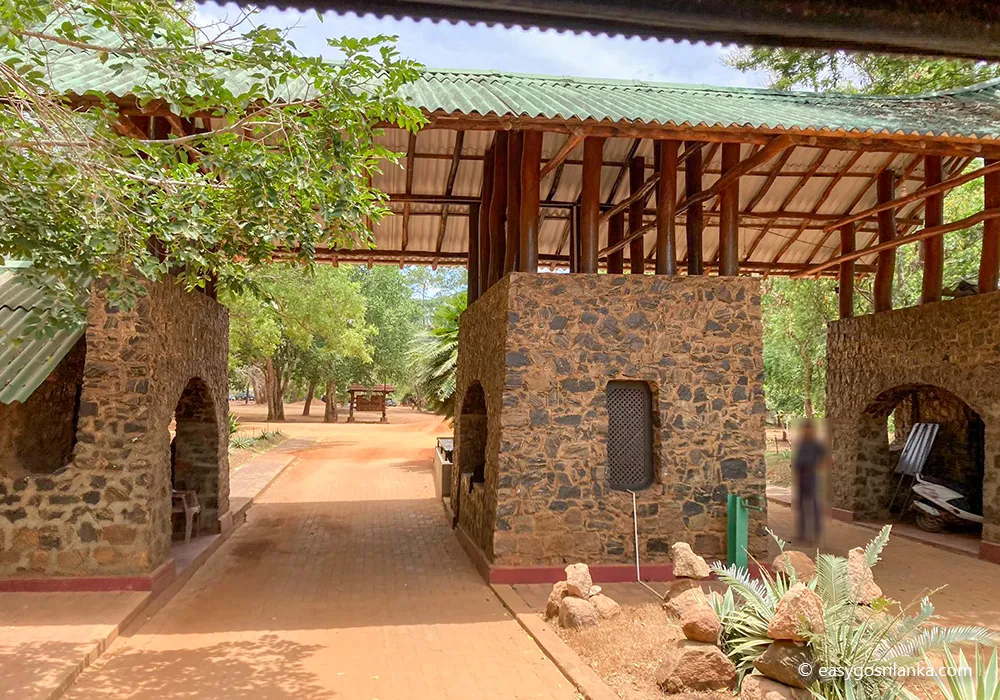
Wilpattu National Park is known for its natural lakes, forest habitats, and quieter safari atmosphere compared with some of Sri Lanka’s busier wildlife destinations. Visitors may encounter leopards, sloth bears, deer, elephants, and a variety of birds.
The park is extensive, and animal sightings can require patience. Allow enough time for a safari and follow your guide’s advice.
Read our guide to Safari in Wilpattu.
4. Witness the Elephant Gathering in Minneriya or Kaudulla
The Minneriya and Kaudulla areas are well known for seasonal gatherings of wild elephants. During favorable conditions, elephants may gather around reservoirs where water and grass are available.
The timing and size of these gatherings vary with rainfall, water levels, and local conditions. Ask an experienced local operator which park is more suitable for your travel dates rather than assuming one location will always offer the best sightings.
These parks are convenient additions to a Cultural Triangle itinerary.
5. Go Whale and Dolphin Watching
Sri Lanka’s surrounding waters offer opportunities to see whales and dolphins. Whale-watching trips operate from several coastal areas, including Mirissa, depending on the season and sea conditions.
Marine wildlife sightings are not guaranteed, and rough seas can affect trips. Choose an operator that follows responsible wildlife-viewing practices, avoids chasing or crowding animals, and prioritizes passenger safety.
Check local conditions and seasonal availability before booking.
6. Enjoy Birdwatching in Sri Lanka
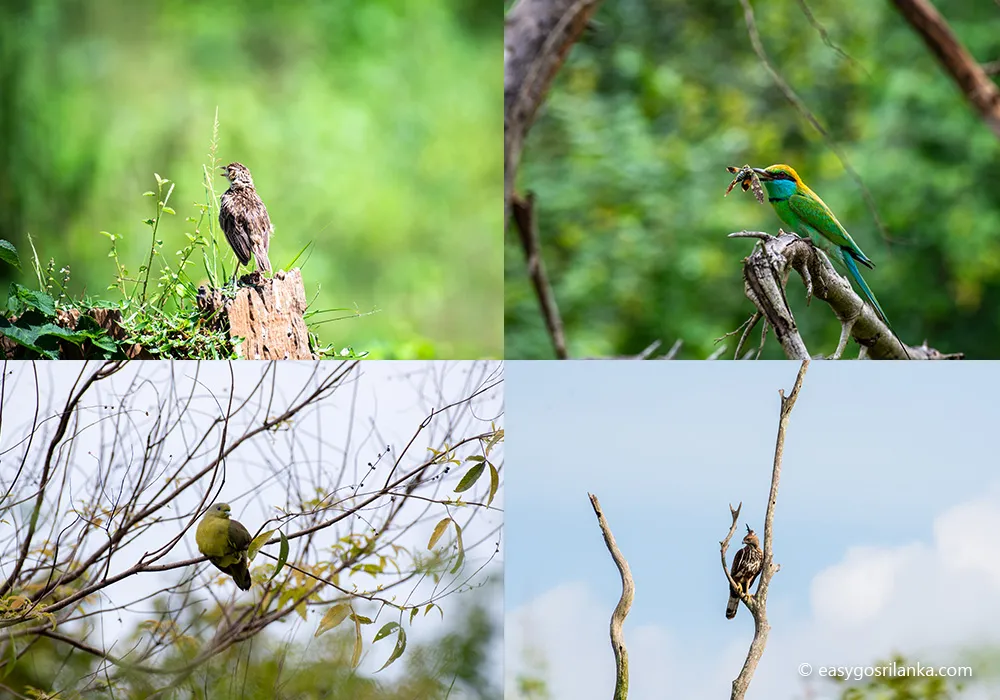
Sri Lanka is home to a wide variety of resident and migratory birds. Wetlands, forests, lagoons, reservoirs, and national parks provide different habitats for birdwatching.
Bundala National Park is known for its wetland birds, while Sinharaja Forest Reserve offers opportunities to search for forest species, including Sri Lankan endemics.
A local birding guide can help you identify species and observe them without disturbing their habitat. Bring binoculars and keep noise to a minimum.
7. Explore Sinharaja Rainforest
Sinharaja Forest Reserve is a valuable experience for travelers interested in tropical rainforest ecology. Guided walks may reveal unusual plants, insects, amphibians, reptiles, and birds hidden beneath the forest canopy.
Trails can be humid, muddy, and slippery, so wear suitable footwear and carry water. Follow designated routes and use a knowledgeable guide familiar with the forest.
Sinharaja is a good choice for visitors who prefer walking and nature observation over vehicle-based safaris.
8. Visit a Responsible Turtle Conservation Project
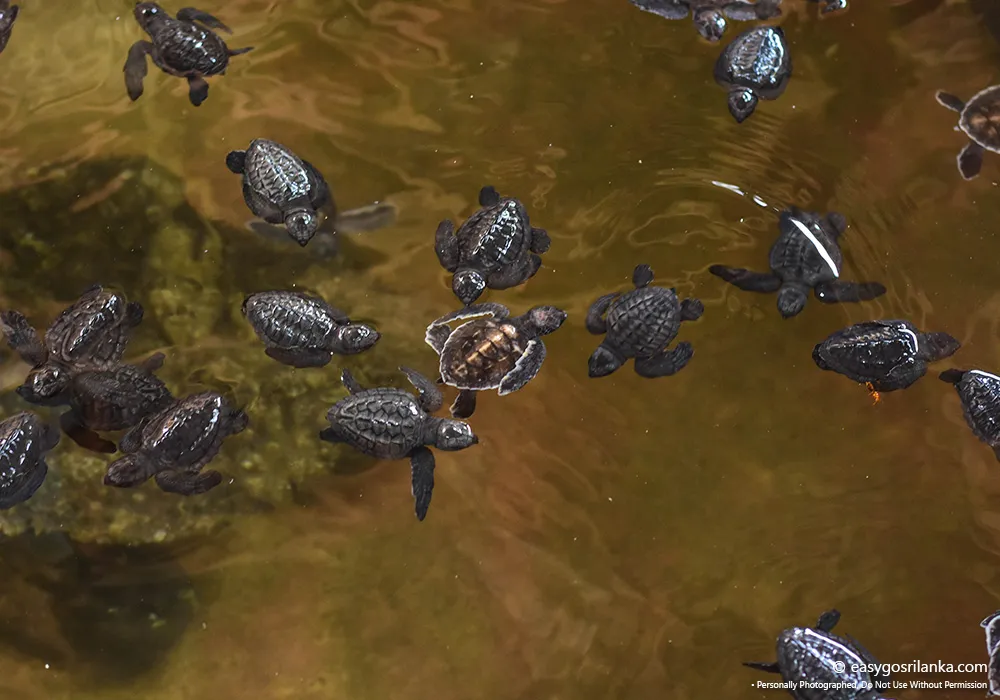
Sri Lanka’s coastline includes important turtle nesting areas. Some conservation projects offer educational visits where travelers can learn about sea turtle species, nesting threats, and conservation work.
Research a project carefully before visiting. Responsible facilities should prioritize animal welfare and conservation, rather than allowing unnecessary handling or close contact with turtles. Avoid releasing hatchlings or participating in animal interactions unless the activity is part of a properly managed conservation program.
9. Take a Lagoon or Wetland Wildlife Tour
Lagoon and wetland excursions can introduce visitors to coastal birds, aquatic habitats, and local fishing communities. Depending on the location, a guided boat trip may offer views of mangroves and waterbirds.
Choose an operator that follows safe boating practices and avoids disturbing wildlife. Confirm life-jacket availability and weather conditions before departure.
10. Photograph Wildlife Responsibly
Wildlife photography can be a memorable part of a Sri Lankan holiday, whether you are photographing elephants on safari or birds in a wetland.
Use a suitable camera lens, be patient, and follow your guide’s instructions. Never ask a driver to approach animals too closely, block their path, or disturb them for a photograph. A respectful distance is better for both wildlife and photography.
Tips for Planning a Wildlife Trip in Sri Lanka
- Choose the right season: Wildlife activity and marine conditions vary by region and month.
- Book a suitable safari: Confirm park entry, jeep arrangements, duration, and pickup details.
- Bring essentials: Carry water, sun protection, binoculars, and a camera if needed.
- Be patient: Animals move freely, and sightings cannot be guaranteed.
- Prioritize conservation: Avoid feeding, touching, or crowding wild animals.
- Allow time for travel: National parks may be several hours from other major attractions.
Plan Your Wildlife Adventure with Easy Go Sri Lanka
From elephant safaris in Udawalawe to leopard-searching drives in Yala and rainforest walks in Sinharaja, Sri Lanka offers wildlife experiences for many types of travelers. Easy Go Sri Lanka can help you combine wildlife activities with cultural attractions, scenic hill-country stops, and beach stays in a tailor-made itinerary.
Explore our wildlife experiences, browse our Sri Lanka tour itineraries, or contact Easy Go Sri Lanka to plan your trip.
Frequently Asked Questions
Udawalawe is a popular option for elephant sightings. Minneriya and Kaudulla are also known for seasonal elephant gatherings, depending on local conditions.
Yala is particularly well known for leopard safaris. Wilpattu also offers opportunities to see leopards, but sightings are never guaranteed.
The best time depends on the species and region. Check current local conditions and seasonal guidance before choosing a national park or marine wildlife excursion.
Yes. Families can consider guided safaris, birdwatching, and selected nature experiences. Choose activities appropriate for children’s ages and follow all safety instructions.