
Quick Facts

Best For
Tea Lovers, Families, Couples & Photographers

Suitable For
Most Travelers

Main Highlights
Factory Tour, Tea Production & Tasting

Location
Sri Lanka’s Tea-Growing Regions
Overview
Sri Lanka is internationally recognized for its Ceylon tea, and the country’s central highlands are home to some of its most scenic tea-growing regions.
A tea factory tour provides an opportunity to see what happens after tea leaves are picked from the plantations.
The journey from fresh green leaves to finished tea involves several important stages. Depending on the factory and production method, visitors may learn about withering, rolling or cutting, oxidation, drying, grading, and packing.
The factory environment can be fascinating because traditional tea-processing methods are combined with specialized machinery developed for large-scale production.
Many tea factories are located among rolling plantations and mist-covered mountain landscapes, making the experience as much about the surrounding scenery as the production process.
A typical visit includes a guided explanation of tea manufacturing followed by a tasting session, where you can sample different varieties and learn how factors such as elevation, climate, processing, and leaf grade influence the final cup.

Highlights
- Visit a working tea factory in Sri Lanka.
- Learn how Ceylon tea is produced.
- See freshly harvested tea leaves being processed.
- Discover the different stages of tea manufacturing.
- Learn about withering, rolling, oxidation, drying, and grading.
- Understand the difference between tea grades.
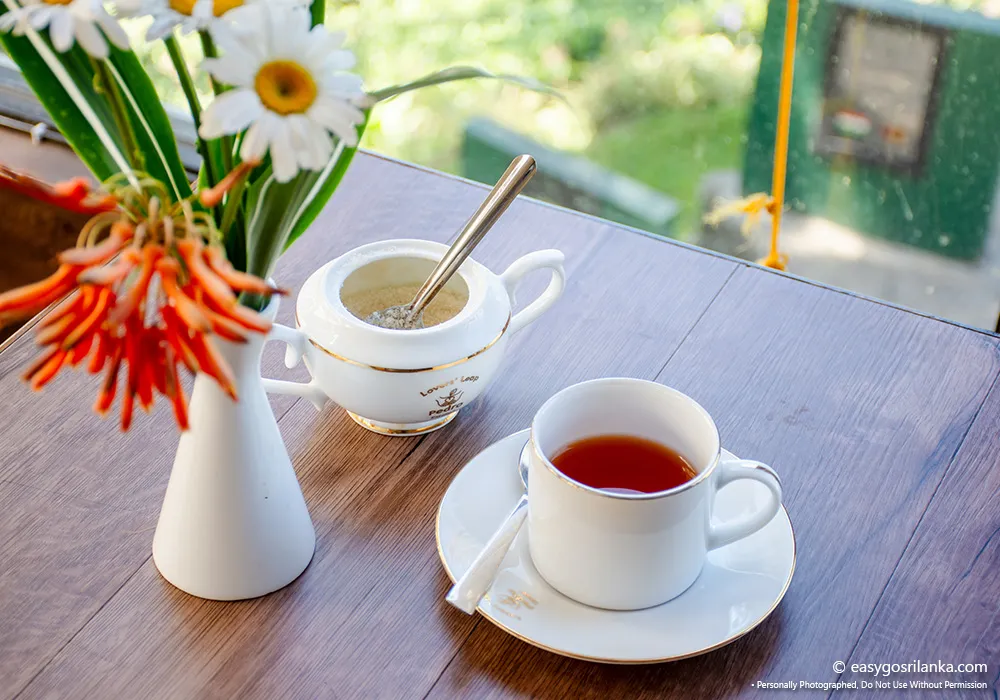
- Enjoy a Ceylon tea tasting experience.
- Explore scenic tea-growing landscapes.
- Learn about the history of Sri Lanka’s tea industry.
- Discover the connection between tea plantations and local communities.
- Purchase authentic Sri Lankan tea where available.
Why You Should Experience a Tea Factory Tour
Sri Lankan tea is more than a popular beverage—it is an important part of the country’s agricultural history, economy, culture, and tourism industry.
A factory tour helps explain the work behind the tea that eventually reaches markets around the world.
Walking through a tea factory allows you to see the transformation from freshly harvested leaves into finished tea. The machinery, distinctive aromas, production stages, and sounds of the factory create an experience that is very different from simply visiting a tea plantation.
The experience also provides useful context for understanding why tea from different regions can have different characteristics.
For travelers exploring the Central Highlands, a tea factory visit is an easy activity to add to an itinerary alongside tea plantations, waterfalls, viewpoints, hiking, and scenic train journeys.
Best Places for Tea Factory Tours in Sri Lanka
1. Nuwara Eliya
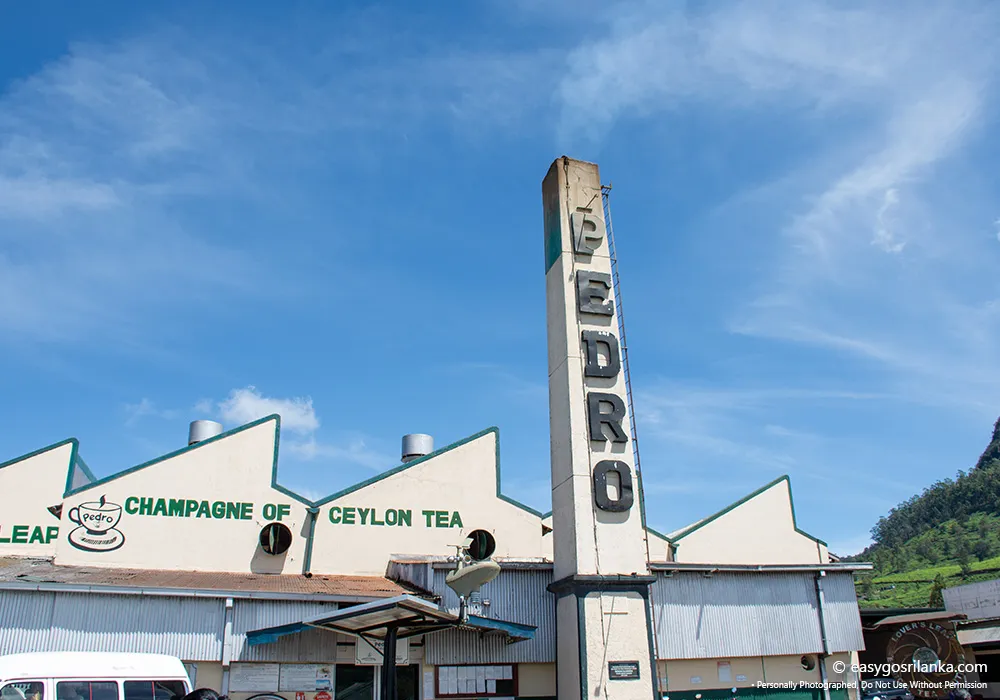
Nuwara Eliya is one of Sri Lanka’s best-known tea-growing regions and is often associated with high-grown Ceylon tea.
The cool climate, high elevation, misty mountains, and extensive tea plantations create a distinctive landscape.
A tea factory tour here can easily be combined with visits to tea estates, Gregory Lake, waterfalls, and other attractions around Nuwara Eliya.
2. Kandy
The hills surrounding Kandy are part of Sri Lanka’s historic tea-growing region.
Tea experiences near Kandy can be convenient for travelers exploring the city, the Temple of the Tooth, botanical gardens, and surrounding hill country.
3. Ella
Ella is surrounded by dramatic mountain scenery and tea plantations.
A tea factory visit can be combined with attractions such as Little Adam’s Peak, Ella Rock, Nine Arch Bridge, and scenic countryside.
4. Uva Region
The Uva tea-growing region is known for its distinctive tea character and beautiful mountain landscapes.
Travelers exploring the eastern side of the Central Highlands can include a factory visit as part of a wider tea and nature itinerary.
Best Time to Visit
Tea factories generally operate according to production schedules, so the best time for a tour depends on the individual factory.
Morning visits are often a good choice, especially if you want to see factory activity during the day.
For the best experience:
- Check factory operating hours in advance.
- Confirm whether production is taking place on the day of your visit.
- Avoid arriving outside scheduled visiting hours.
- Allow additional time for tea tasting and exploring the surroundings.
The tea-growing regions can experience rain throughout the year, so carrying light rain protection is useful.
What to Expect
A Tea Factory Tour typically begins with an introduction to the tea estate and the factory.
Your guide may explain where the tea leaves come from and how they are transported from the plantation after harvesting.
Inside the factory, you may see different stages of production.
Withering
Freshly picked tea leaves contain significant moisture. Withering reduces the moisture content and prepares the leaves for further processing.
Rolling
The leaves are mechanically rolled or cut depending on the production method. This helps break down the leaf structure and prepare it for the next stage.
Oxidation
During oxidation, chemical changes take place that influence the color, aroma, and flavor of the finished tea.
Drying
The leaves are dried using controlled heat to stop oxidation and reduce moisture, creating a stable finished product.
Grading
Processed tea is sorted into different grades based on factors such as leaf size and appearance.
The exact process can vary between factories and different types of Ceylon tea.
After the factory visit, many tours include a tea-tasting session where you can sample the finished product and learn how to appreciate differences in aroma, strength, color, and flavor.


Difficulty & Suitability
Difficulty: Easy
A tea factory tour generally requires limited walking and no special physical ability.
Some factories may have stairs, narrow walkways, machinery areas, or uneven surfaces.
Suitable For
- Families
- Couples
- Solo travelers
- Senior travelers
- Tea enthusiasts
- Food lovers
- Photographers
- Culture enthusiasts
- First-time visitors to Sri Lanka
Visitors should follow factory safety instructions, particularly around operating machinery.
What to Bring
- Comfortable shoes
- Lightweight clothing
- Camera
- Drinking water
- Small backpack
- Light rain jacket or umbrella
- Sunscreen
- Hat or cap for outdoor plantation areas
If you plan to walk through a tea plantation, comfortable closed footwear is recommended.
Safety Tips
- Follow factory staff instructions.
- Stay within designated visitor areas.
- Keep a safe distance from machinery.
- Do not touch operating equipment.
- Watch your step on stairs and factory floors.
- Be careful around wet surfaces.
- Do not enter restricted production areas.
- Keep children close to adults.
- Follow photography restrictions.
- Ask before photographing factory workers.
Responsible Tea Tourism
Tea production supports many communities throughout Sri Lanka’s hill country.
Visitors can contribute positively by supporting locally operated tea experiences and purchasing genuine Sri Lankan tea from reputable producers.
When visiting plantations and factories:
- Respect workers and their working environment.
- Ask permission before photographing people.
- Stay on designated paths.
- Do not damage tea plants.
- Do not pick tea leaves unless specifically invited to participate.
- Avoid littering.
- Follow factory and plantation rules.
- Support legitimate local tea producers.
A responsible visit helps preserve the agricultural landscapes and communities that make Sri Lanka’s tea heritage special.
Travel Tips
- Confirm factory opening and tour times before visiting.
- Ask whether the factory will be operating during your visit.
- Combine the factory tour with a tea plantation walk.
- Try different Ceylon tea varieties during the tasting.
- Ask your guide about tea grades and production methods.
- Purchase tea directly from reputable producers when possible.
- Bring a light jacket when visiting high-elevation tea regions.
- Allow extra time for photography around the plantations.
- Combine the experience with nearby waterfalls, viewpoints, or hiking trails.
Related Destinations
Explore Sri Lanka’s tea-growing regions and hill-country destinations:
- Nuwara Eliya
- Ella
- Kandy
- Haputale
- Bandarawela
- Hatton
- Uva
- Ramboda
- Dambulla
Related Activities
Discover more experiences connected with Sri Lanka’s tea country:
- Tea Plantation Walk
- Tea Tasting Experiences
- Scenic Photography Tours
- Train Journey Kandy–Ella
- Lipton’s Seat Hike
- Little Adam’s Peak Hike
- Ella Rock Hike
- Waterfall Tours
- Village Tour
- Sri Lankan Cooking Classes
Frequently Asked Questions (FAQ)
A tea factory tour allows visitors to see how freshly harvested tea leaves are processed into finished Ceylon tea and usually includes an explanation of the production process and a tea tasting.
Yes. Depending on the factory’s operating schedule, you can see stages such as withering, rolling, oxidation, drying, and grading.
Popular tea-growing regions include Nuwara Eliya, Kandy, Ella, Hatton, Haputale, and the wider Uva region.
A typical visit takes around one to two hours, including the factory tour and tea tasting.
Many tea factory experiences include a tasting session. The teas available will depend on the individual factory.
Many factories and tea centers have shops where visitors can purchase locally produced tea. Availability varies by location.
Yes. Children can enjoy seeing the machinery and learning how tea is produced. They should remain with adults and follow factory safety instructions.
No. The tour is suitable for beginners. Your guide can explain the basic production process and help you understand the different types and grades of tea.
Ceylon tea is the name historically associated with tea produced in Sri Lanka. Tea is grown in several regions of the island, and its characteristics vary depending on factors such as elevation, climate, and processing.
Yes. Tea factory visits are particularly easy to combine with tea plantation walks, scenic train journeys, hiking, waterfalls, viewpoints, and visits to Nuwara Eliya, Ella, Kandy, and other hill-country destinations.
Book This Experience
Discover the Journey Behind Every Cup of Ceylon Tea
Step inside a Sri Lankan tea factory, learn how freshly picked leaves become world-famous Ceylon tea, and enjoy the flavors of the island’s highlands.
Experience Sri Lanka’s tea heritage with Easy Go Sri Lanka and discover the plantations, production process, traditions, and landscapes behind one of the country’s most famous exports.