Quick Facts

Best For
Wildlife Lovers, Families, Photographers & Nature Enthusiasts

Difficulty
Easy

Main Wildlife
Leopards, Elephants, Sloth Bears, Deer, Crocodiles & Birds

Best Time
February–June for generally drier conditions
Overview
Yala National Park is one of Sri Lanka’s most famous wildlife destinations and one of the country’s most rewarding places for a safari. Located in the southeast of the island, the park contains a remarkable mix of ecosystems, including dry forests, scrublands, grasslands, wetlands, lagoons, and coastal habitats. These diverse environments support a wide variety of mammals, birds, reptiles, and other wildlife.
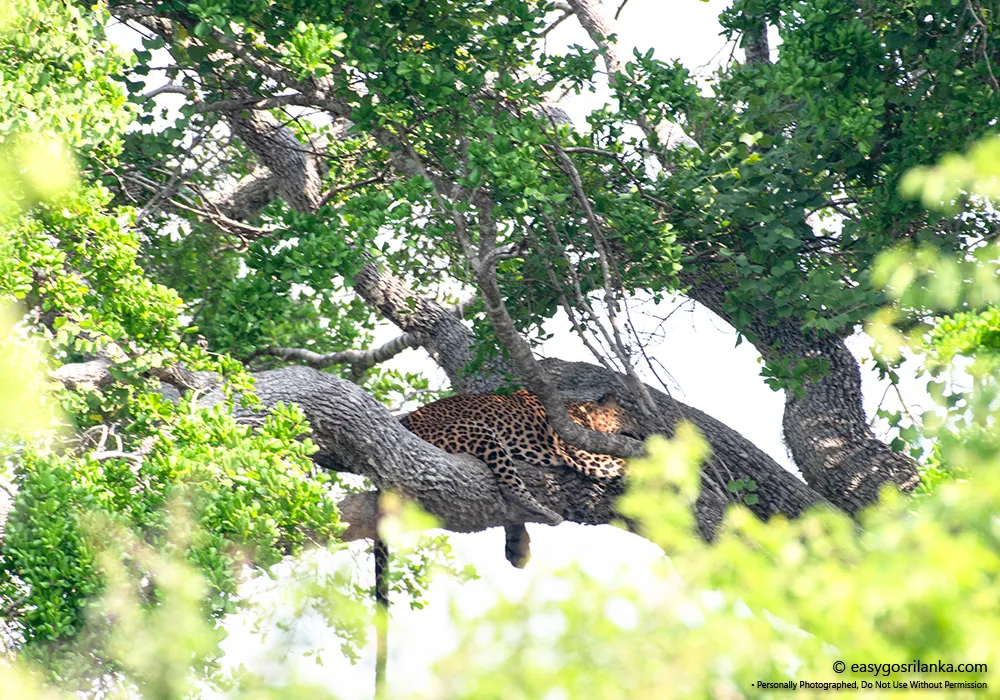
Yala is particularly famous for its Sri Lankan leopard population. Sri Lanka Tourism describes Yala as having one of the highest leopard densities in the world, making leopard sightings one of the major attractions of visiting the park. However, wildlife sightings are never guaranteed, and the experience is best approached as an opportunity to observe animals in their natural habitat rather than as a search for a specific species.
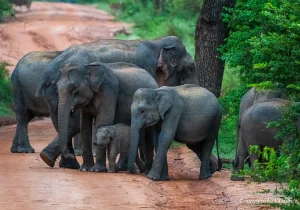
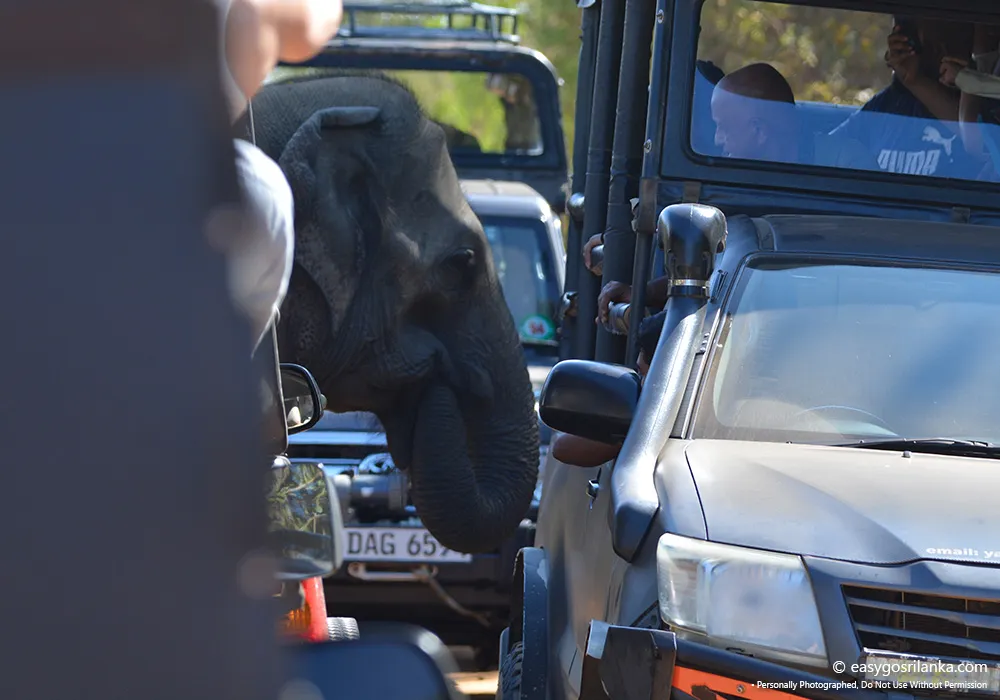
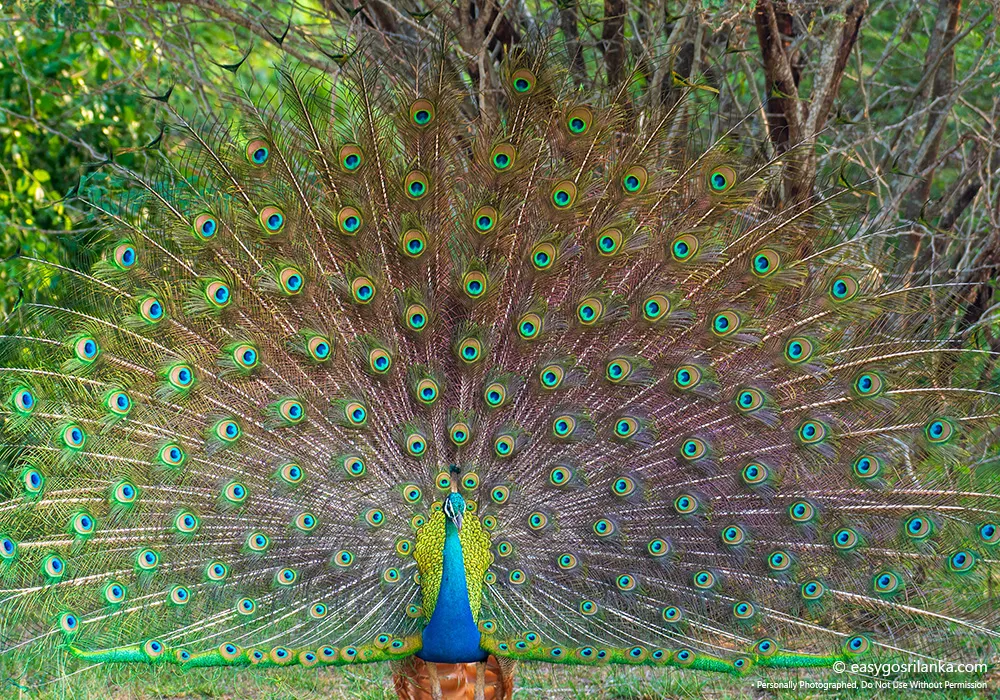
The park is also home to Sri Lankan elephants, sloth bears, spotted deer, sambar deer, wild buffalo, wild boar, crocodiles, monkeys, and a remarkable variety of birdlife. Yala is recognized as an Important Bird Area and is home to hundreds of recorded bird species, including Sri Lankan endemics.
A typical safari takes place in a specially adapted 4WD jeep, allowing visitors to travel along designated park tracks while accompanied by a driver and, depending on the arrangement, a wildlife guide. The combination of wildlife, dramatic landscapes, and the possibility of encountering a leopard makes Yala safari an unforgettable Sri Lankan adventure.
Highlights
- Search for Sri Lankan leopards in their natural habitat.
- Observe wild Asian elephants.
- Look for elusive sloth bears.
- Spot spotted deer, sambar, wild buffalo, and wild boar.
- Watch crocodiles around wetlands and water sources.
- Discover a wide variety of resident and migratory birds.
- Explore Yala’s forests, grasslands, lagoons, and coastal landscapes.
- Experience Sri Lanka’s wildlife from a dedicated safari jeep.
- Enjoy spectacular natural scenery throughout the park.
- Capture memorable wildlife photography.
Why You Should Experience a Safari in Yala
Yala offers one of the most diverse wildlife experiences in Sri Lanka within a relatively compact travel destination. The possibility of seeing a leopard is a major attraction, but the park’s appeal extends far beyond one species.
Every safari can be different. One drive may reveal a herd of elephants crossing an open area, while another may bring you close to colorful birds, crocodiles, deer, or monkeys. The unpredictability is part of the experience.
Yala is also an excellent choice for photographers. Early morning and late afternoon light can create beautiful conditions for wildlife and landscape photography, while the park’s varied habitats provide constantly changing scenery.
Best Places to Experience Wildlife in Yala
1. Yala National Park – Block I
Block I, also known as the Ruhuna area, is the most frequently visited section of Yala and is particularly well known for leopard sightings. It contains a diverse mixture of forest, scrub, grassland, and water bodies that support a wide range of wildlife.
2. Waterholes & Lagoons
Water sources are important wildlife areas, particularly during drier periods. Animals may gather around waterholes and wetlands, giving safari visitors opportunities to observe different species.
3. Open Grasslands
Open areas provide better visibility for spotting elephants, deer, buffalo, and other large mammals. They can also create excellent conditions for wildlife photography.
4. Coastal Areas
Yala extends toward the Indian Ocean, creating a distinctive combination of wildlife habitat and coastal scenery. Depending on the safari route and access conditions, visitors may experience the park’s striking coastal landscapes as part of their journey.
Best Time to Visit in Yala
Yala can be visited during much of the year, but weather, park conditions, and wildlife behavior vary seasonally.
February to June
These months generally fall within the drier period for much of Yala and can provide good opportunities for wildlife viewing, particularly around remaining water sources.
July to September
The southwest monsoon can influence parts of the region, but safari conditions can still vary considerably from day to day. Wildlife remains present throughout the year.
October to January
The northeast monsoon can bring increased rainfall to the region. Wet conditions may make some safari tracks more challenging, while the landscape becomes greener and more vibrant.
Important: Yala National Park periodically closes or restricts access to certain areas for conservation and management purposes. Always check current park conditions and official visitor information before planning your safari.
What to Expect
A Yala safari usually begins early in the morning or later in the afternoon, depending on the type of safari you choose. You will travel in a 4WD safari jeep with an experienced driver who follows designated routes through the park.
Once inside the park, the journey becomes a wildlife search. Rather than following a fixed sightseeing route, your driver will observe tracks, animal movements, sounds, water sources, and information from other safari teams to determine where wildlife may be found.
You may travel through dry forest, open grasslands, scrubland, wetlands, and areas surrounding lagoons. Along the way, you could encounter elephants, deer, buffalo, crocodiles, monkeys, birds, and many smaller animals.
A leopard sighting is one of Yala’s most exciting possibilities, but it is important to remember that leopards are wild and elusive animals. Even on an excellent safari, there is no guarantee that you will see one.
Morning safaris generally provide cooler conditions and good opportunities for active wildlife, while afternoon safaris can offer beautiful late-day light and the possibility of seeing animals becoming more active as temperatures fall.
Difficulty & Suitability
Difficulty: Easy
A Yala jeep safari does not require physical fitness or previous outdoor experience. Visitors remain seated in the safari vehicle for most of the experience.
Suitable For
- Families
- Couples
- Solo travelers
- Senior travelers
- Wildlife enthusiasts
- Photographers
- Bird watchers
- First-time safari visitors
Considerations
Safari tracks can be uneven, and the jeep may move over rough terrain. Travelers who experience motion sickness may want to take appropriate precautions.
Young children can generally enjoy a safari, but parents should consider the length of the drive and the child’s ability to remain seated and quiet while observing wildlife.
What to Bring
- Comfortable lightweight clothing
- Neutral or earth-tone clothing
- Hat or cap
- Sunglasses
- Sunscreen
- Drinking water
- Camera with spare batteries
- Binoculars
- Small backpack
- Insect repellent
- Light jacket for early-morning safaris
- Motion-sickness medication if needed
Safety Tips
- Always follow instructions from your safari driver and wildlife guide.
- Remain inside the vehicle unless you are specifically told that it is safe to exit.
- Never attempt to feed or approach wild animals.
- Do not make loud noises to attract wildlife.
- Keep a safe distance from elephants and other large animals.
- Do not encourage the driver to chase or harass animals for photographs.
- Avoid using flash photography when it may disturb wildlife.
- Never litter inside the national park.
- Respect park regulations and designated safari routes.
- Remember that wildlife sightings are unpredictable and should never be forced.
Sri Lanka’s wildlife and protected areas are governed by conservation laws, and the Department of Wildlife Conservation emphasizes the protection of the country’s biodiversity and habitats.

Travel Tips
- Choose an experienced and responsible safari operator.
- Consider an early-morning safari if wildlife viewing is your main priority.
- Bring binoculars for spotting birds and distant animals.
- Use a camera lens suitable for wildlife photography.
- Avoid bright colors when possible.
- Carry enough drinking water.
- Allow extra time in your itinerary for travel to and from the park.
- Stay near Yala, Tissamaharama, or Kataragama if you want an early start.
- Do not judge a safari only by the number of animals seen; observing natural behavior is part of the experience.
- Check current park access, opening arrangements, and permit requirements before traveling.
The Department of Wildlife Conservation provides an official ePermit process for day visitors, including selecting the park and date, entering visitor and vehicle details, and completing payment before presenting the receipt at the park entrance.

Related Activities
- Safari in Udawalawe
- Safari in Wilpattu
- Elephant Gathering in Minneriya
- Bird Watching
- Whale Watching
- Dolphin Watching
- Turtle Conservation Visits
- Lagoon Tours
- Rainforest Walks
- Scenic Photography Tours
Related Destinations
Explore more destinations around Sri Lanka’s southern and southeastern wildlife region:
Frequently Asked Questions (FAQ)
Yala is home to Sri Lankan leopards, elephants, sloth bears, spotted deer, sambar deer, wild buffalo, wild boar, crocodiles, monkeys, and many bird species.
Yala is one of Sri Lanka’s most important leopard-viewing destinations and is internationally known for its high leopard density. However, leopard sightings are never guaranteed because they are wild and elusive animals.
Early morning and late afternoon are generally popular times for safari drives because temperatures are more comfortable and many animals can be active during these periods.
Safari experiences commonly range from several hours to a full day, depending on the route, park access, and safari package selected.
Yes. Children can enjoy a Yala safari, particularly when they are comfortable spending several hours in a jeep. Parents should follow all wildlife safety instructions.
No. Responsible safari operators cannot guarantee sightings of wild animals. Leopard encounters depend on animal behavior, weather, habitat conditions, and chance.
Visitors enter the park through the regulated park system, and safari experiences are normally conducted using safari vehicles and drivers familiar with the park. A knowledgeable wildlife guide can further improve the experience by helping identify animals and explain their behavior and habitat.
Yes. Planning in advance is recommended, particularly during busy travel periods. Park permits and current access arrangements should be checked before your visit. The Department of Wildlife Conservation provides an official online ePermit reservation process for day visitors.
Book This Experience
Discover the Wild Side of Sri Lanka
Experience the thrill of exploring Yala National Park in search of leopards, elephants, sloth bears, crocodiles, and colorful birdlife. From early-morning drives to unforgettable wildlife encounters, a Yala safari offers an authentic opportunity to experience Sri Lanka’s natural world.
Plan your Yala safari with Easy Go Sri Lanka and explore one of the island’s most remarkable wildlife destinations with a carefully planned travel experience.