Categories
Nature and wildlife

Peradeniya Botanical Garden

What Can I Expect from Peradeniya Botanical Garden?

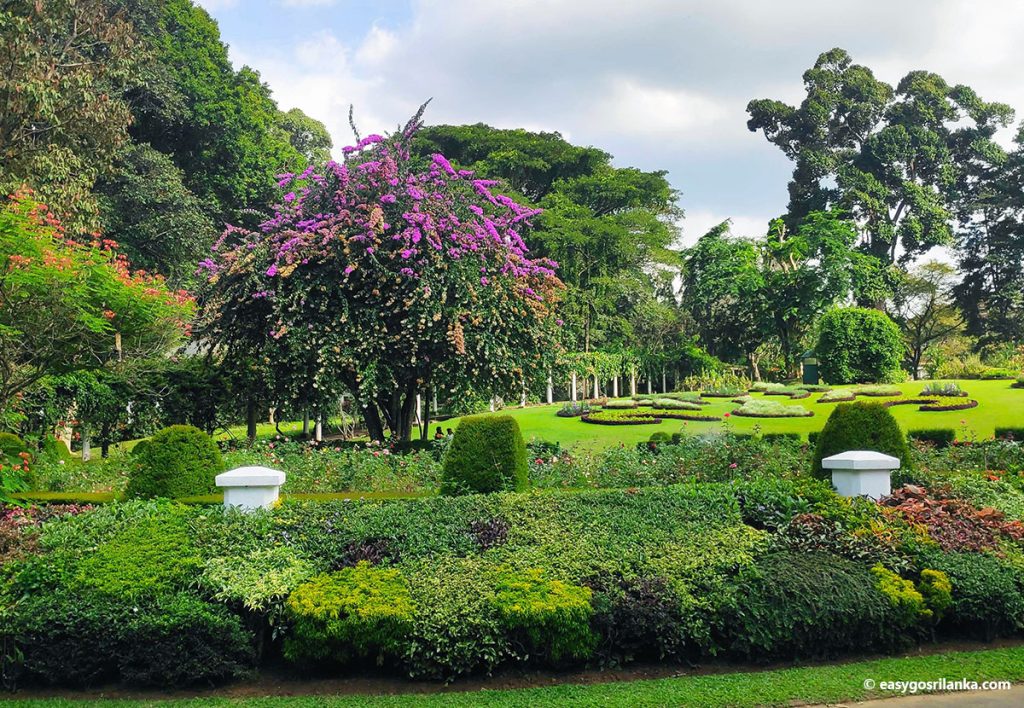
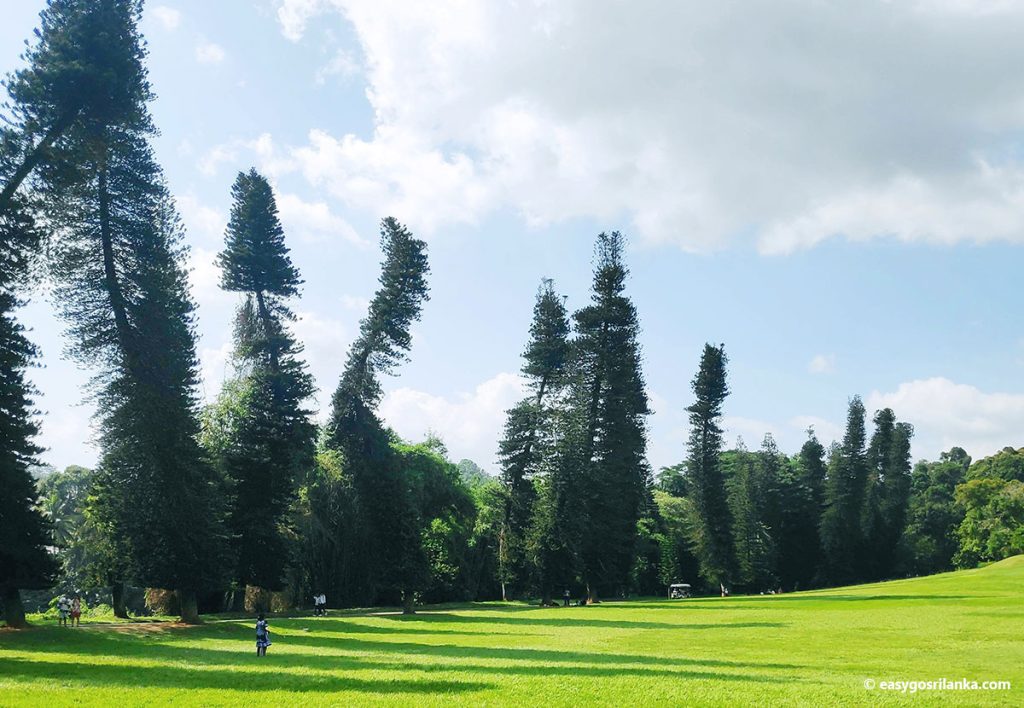
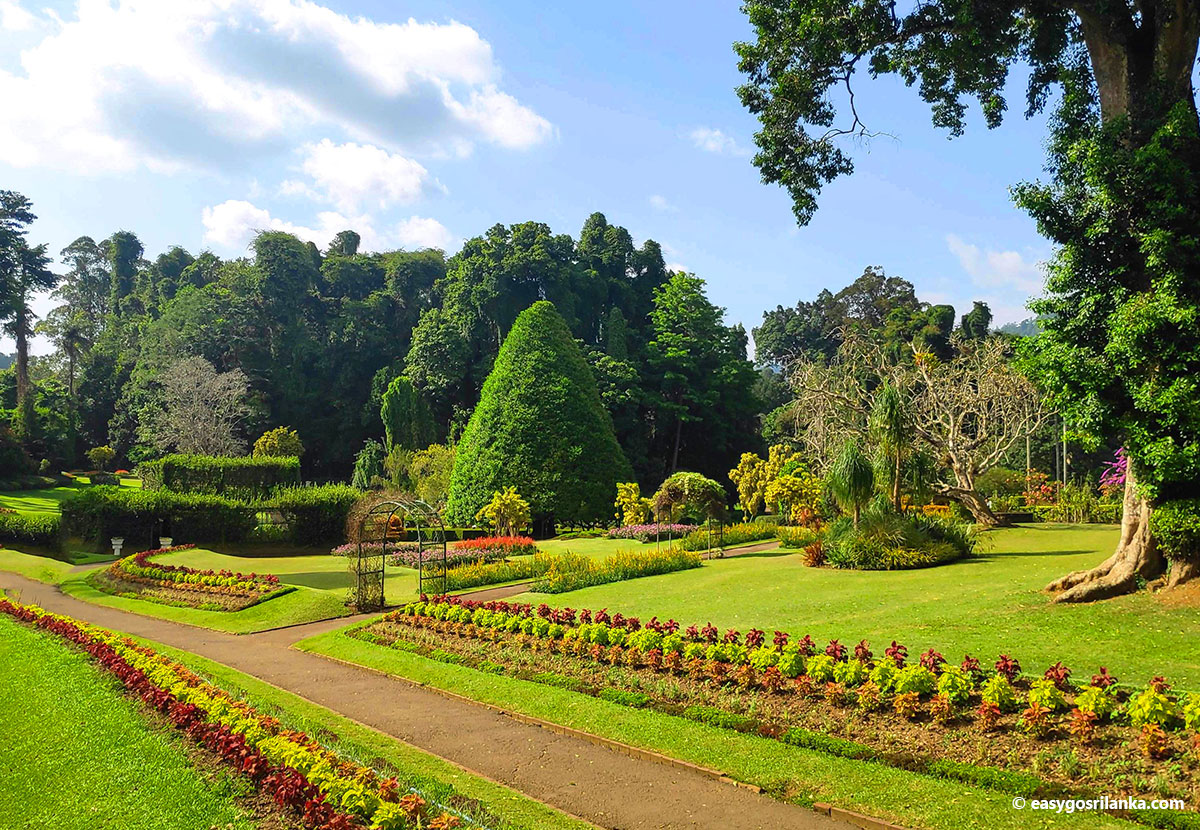
Expect a calm, scenic, and educational experience. You will walk through beautifully landscaped gardens, discover rare plant species from across the world, enjoy shaded riverbanks, and experience serene natural surroundings ideal for relaxation, photography, and family outings.

My Must Have Guides For Traveling

Everything you neeed to know about traveling.

Things to See and Do

Must-See Highlights

  • Giant Bamboo Collection
  • Orchid House
  • Palm Avenue
  • Spices & Medicinal Plant Garden
  • Royal Palm Avenue
  • Cannonball Tree
  • Suspension Bridge over the Mahaweli River

Experiences & Activities

  • Leisure nature walks
  • Botanical photography
  • Educational plant tours
  • Picnic on shaded lawns
  • Birdwatching
  • Family-friendly exploration

Offbeat/Hidden Gems

  • Japanese Garden section
  • Quiet riverbank trails
  • Lesser-known fern collection zones

Gallery

The Orchid House is a living gallery of rare beauty, where delicate native blooms grow beside exotic tropical species from around the world. Vivid colors, intricate patterns, and soft fragrance fill this elegant conservatory, reflecting both nature’s artistry and Sri Lanka’s dedication to orchid conservation.

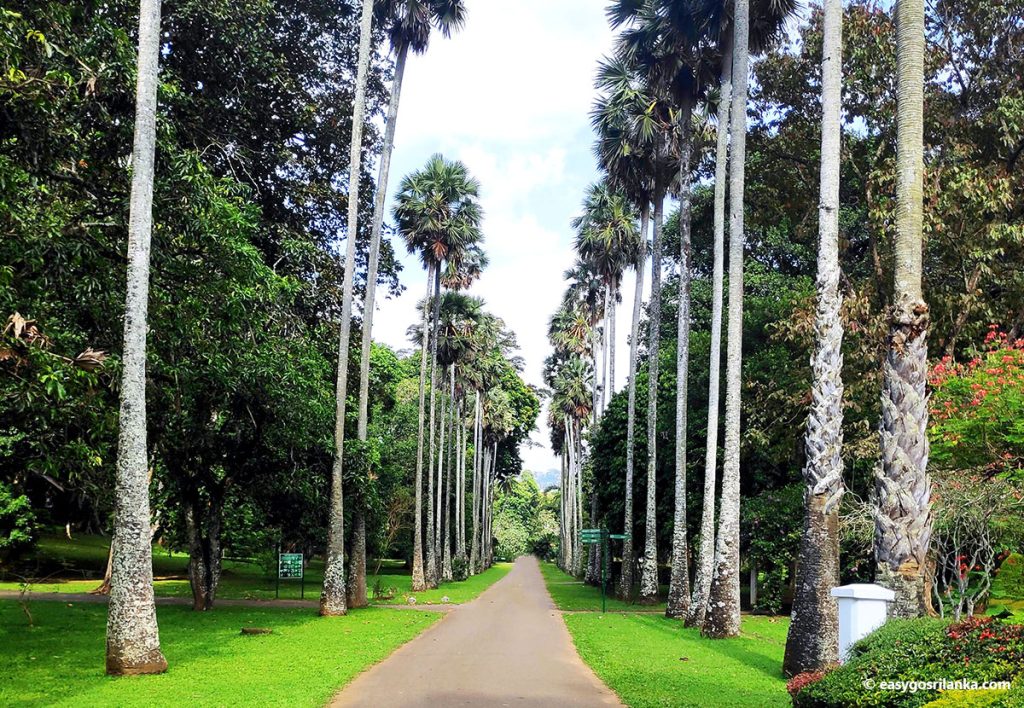
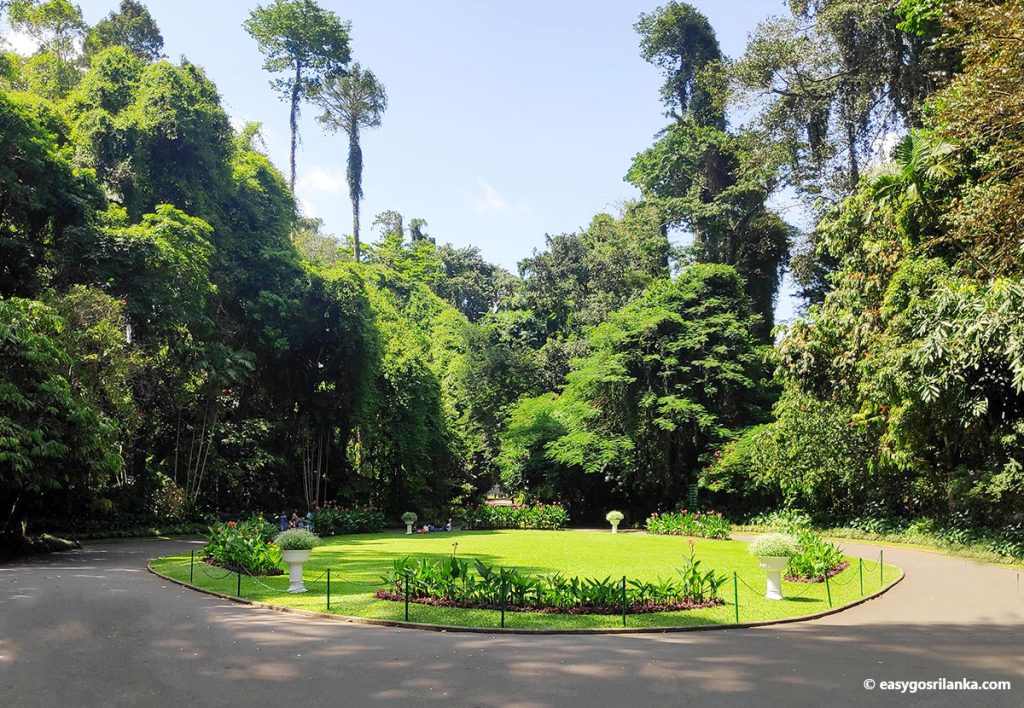
Palm Avenue is one of the most iconic views in Peradeniya, where towering royal palms line a perfectly spaced ceremonial pathway. Planted during the colonial period, these palms rise like green pillars toward the sky, creating a majestic corridor of filtered sunlight and gentle shadow.
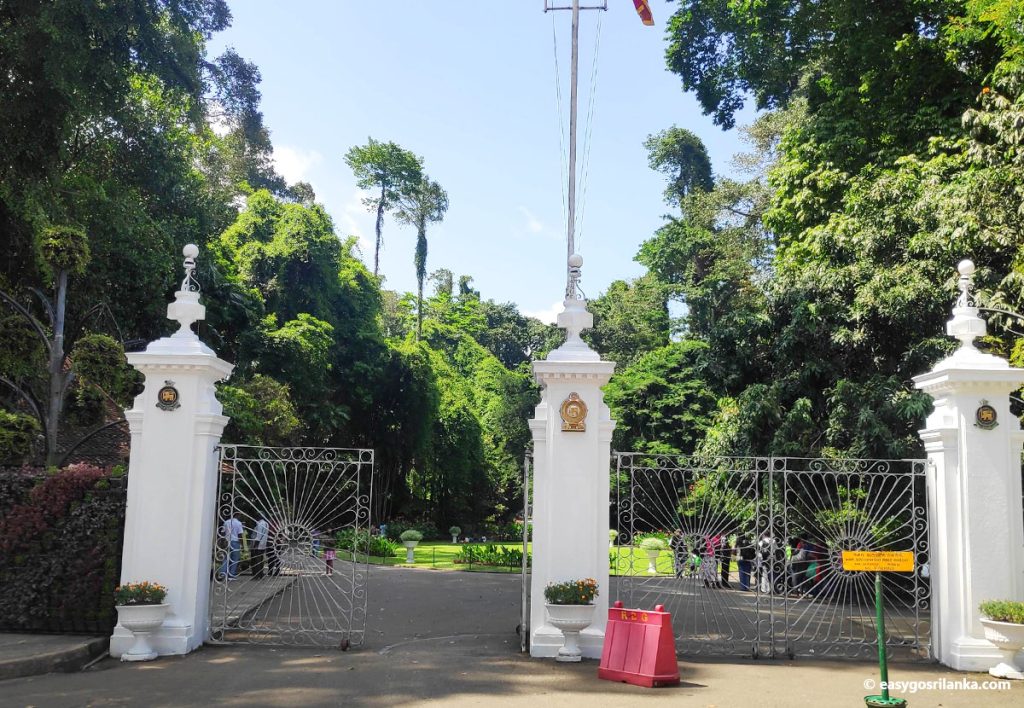
Protected Botanical Zone – Please Do Not Disturb

Nearest Destinations

How to Reach Dambulla Cave Temple

By Road

Peradeniya is located 6 km west of Kandy on the A1 Colombo–Kandy road. Tuk-tuks, taxis, and buses operate frequently from Kandy city.

By Train

Take a train to Peradeniya Junction Railway Station, which is only 2 km from the garden. A short taxi or tuk-tuk ride will take you to the entrance.

Guidelines & Rules

  • Do not pluck flowers or leaves
  • Avoid walking on flower beds
  • No feeding monkeys
  • No littering
  • Follow walking paths
  • Photography allowed, but no damage to plants

Best Time to Visit

The best time to visit is January to April, especially during the flowering season. Mornings and late afternoons offer the most pleasant weather and best light for photography.

Practical Travel Tips

  • Wear comfortable walking shoes
  • Carry drinking water
  • Visit early to avoid heat and crowds
  • Watch belongings near monkeys
  • Combine visit with Kandy city tour
  • Allocate at least 2–3 hours for a full walk

FAQs

How long does a visit take?

Usually 2–3 hours depending on walking pace.

Is the garden wheelchair accessible?

Partially, with some paved paths.

Are guided tours available?

Yes, local botanical guides are available at the entrance.

Is it suitable for children?

Yes, very family-friendly.
Categories
Nature and wildlife

Horton Plains National Park

What Can I Expect from Horton Plains?

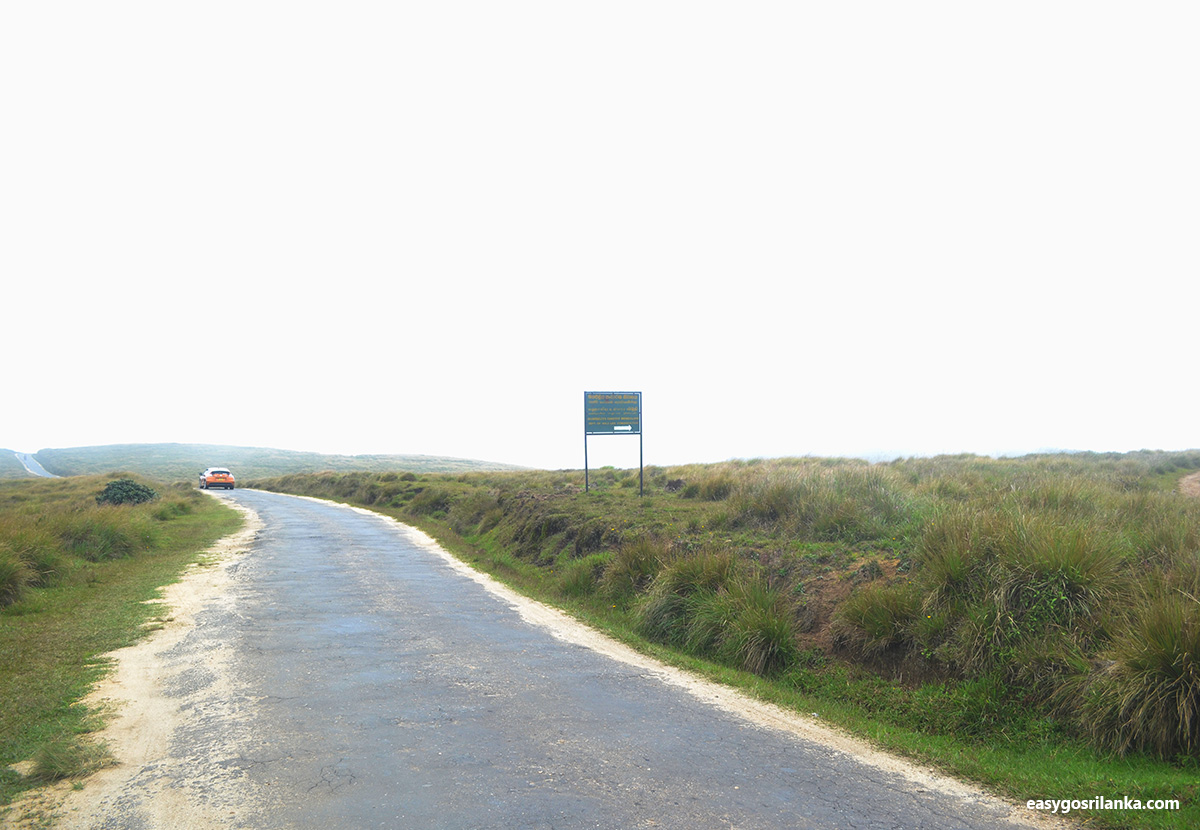
Expect cool mountain air, scenic hiking trails, and sweeping views over the southern plains. The park offers a peaceful yet adventurous experience with wildlife sightings, dramatic cliffs, mist-covered forests, and refreshing waterfalls. It is ideal for nature lovers, hikers, photographers, and eco-travelers.

My Must Have Guides For Traveling

Everything you neeed to know about traveling.

Things to See and Do

Must-See Highlights

  • World’s End viewpoint
  • Mini World’s End
  • Baker’s Falls
  • Cloud forests and montane grasslands
  • Endemic flora and fauna

Experiences & Activities

  • Nature hiking and trekking
  • Birdwatching
  • Landscape photography
  • Guided eco-walks
  • Sunrise walks

Offbeat/Hidden Gems

  • Chimney Pool viewpoint
  • Quiet forest trails away from main paths
  • Rare orchid and fern zones

Baker’s Falls

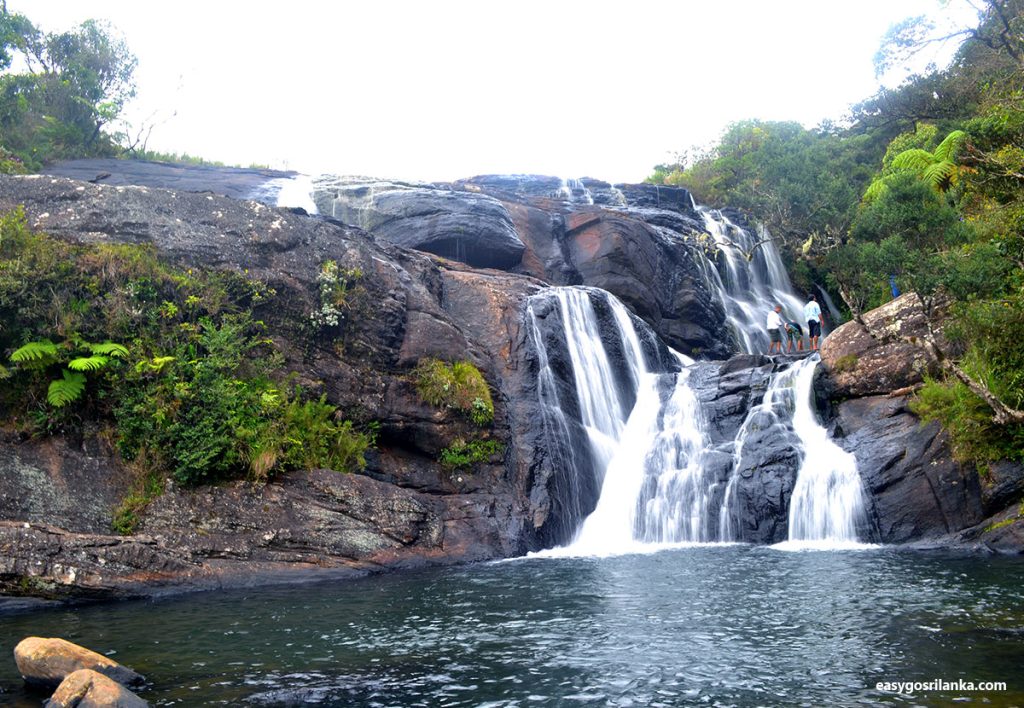
Baker’s Falls is one of the most scenic waterfalls in Sri Lanka’s central highlands, fed by the Belihul Oya stream. Named after British explorer Sir Samuel Baker, the waterfall cascades over rocky steps into a misty pool below, surrounded by lush montane forest. The cool mountain air, sound of rushing water, and shaded forest paths create a refreshing pause along the Horton Plains trail. During the rainy season, the falls swell with power, while in drier months they offer a gentle, crystal-clear flow ideal for photography. Baker’s Falls is a peaceful contrast to the vast open plains of the park.
“Mountain stream ecosystem. Avoid soap, food waste, or plastic near the water source.”

World’s End Viewpoint

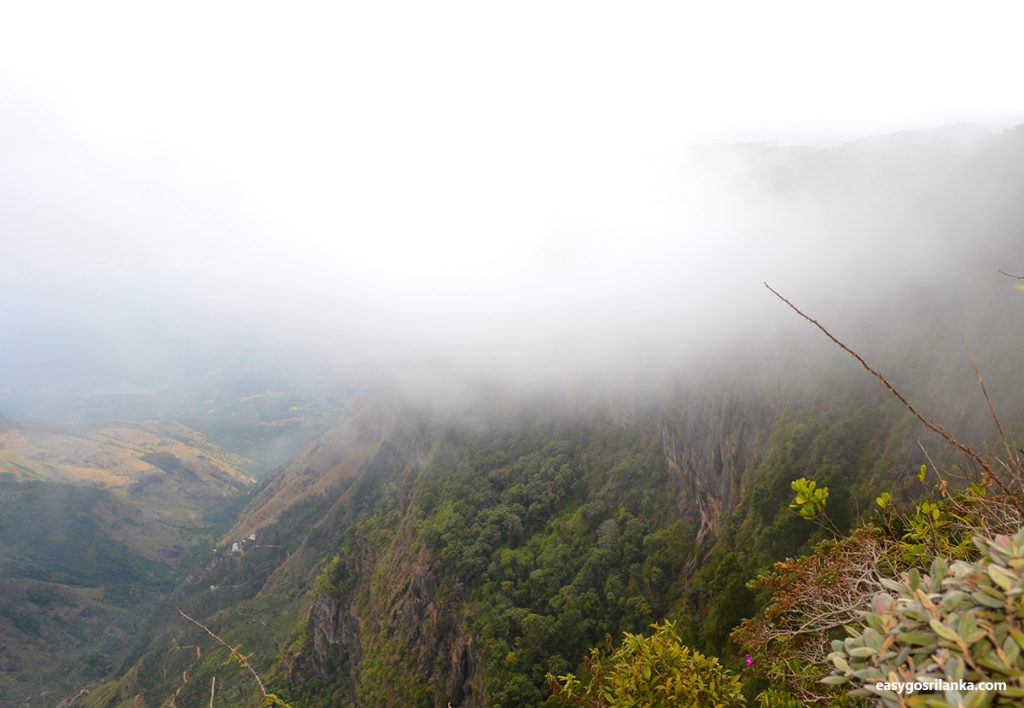
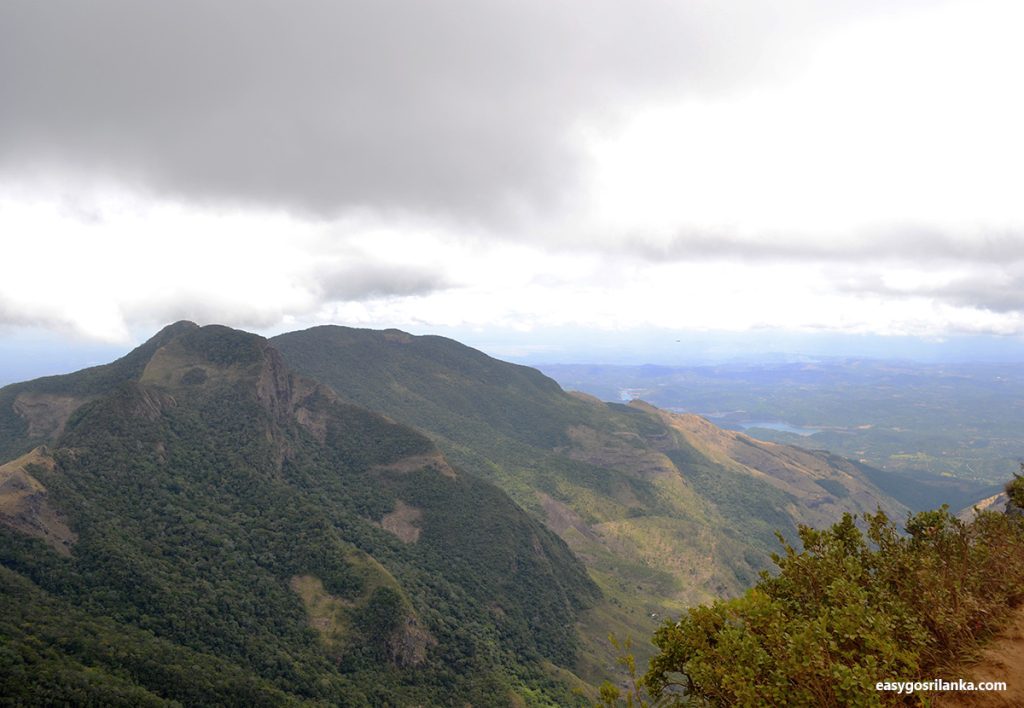
World’s End is the most dramatic escarpment in Horton Plains, where the plateau suddenly drops nearly 900 meters into the lowlands below. On clear mornings, the view stretches across tea estates, forests, rivers, and distant villages, creating one of the most breathtaking landscapes in Sri Lanka. The experience is magical at sunrise, when golden light cuts through the mist and reveals layers of rolling terrain below. As the fog rises later in the day, the scene transforms into a sea of clouds, making every visit unique. Standing at the edge of World’s End is both humbling and unforgettable, a moment where nature’s vastness fully reveals itself.

“Cliff ecosystem – fragile mist zone. Stay behind safety barriers to protect both visitors and vegetation.”

Cloud Forests and Montane Grasslands

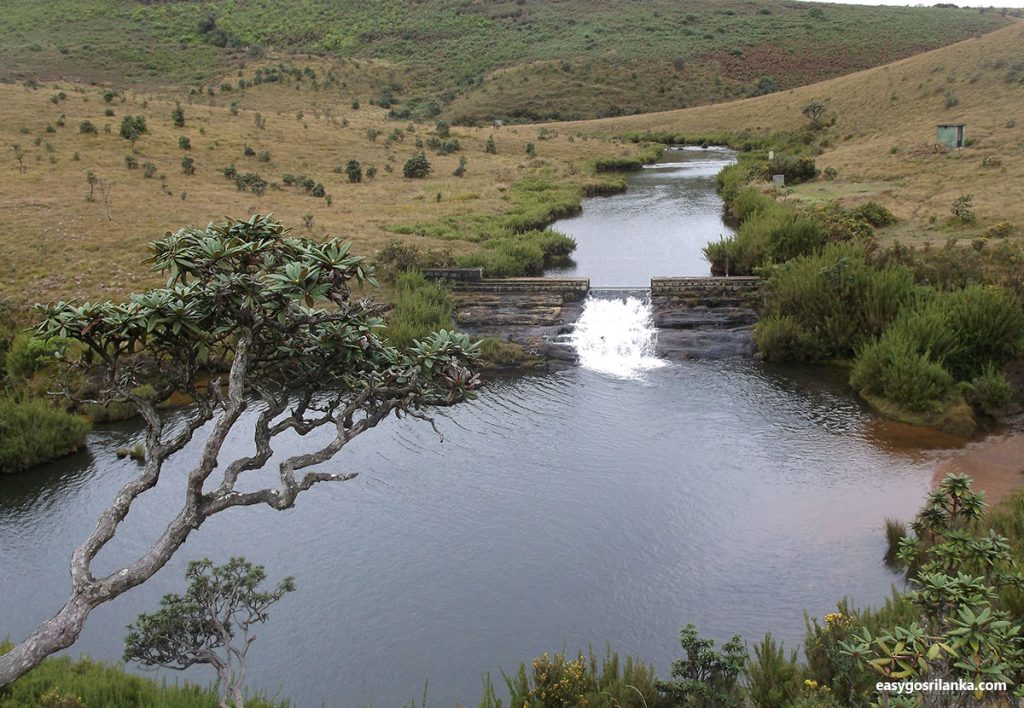
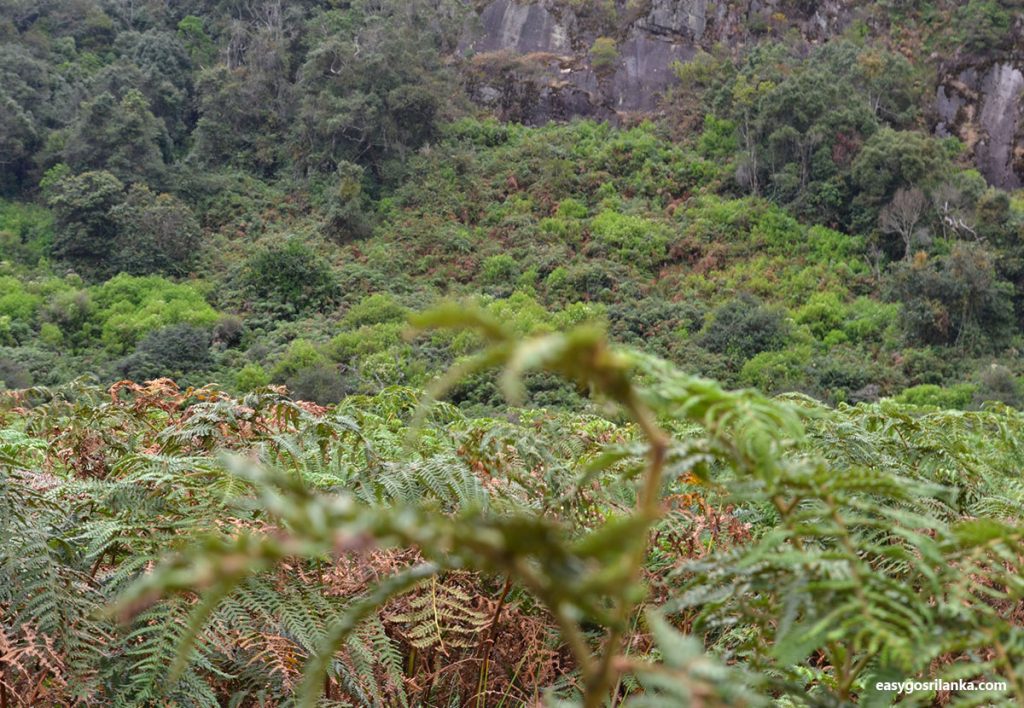
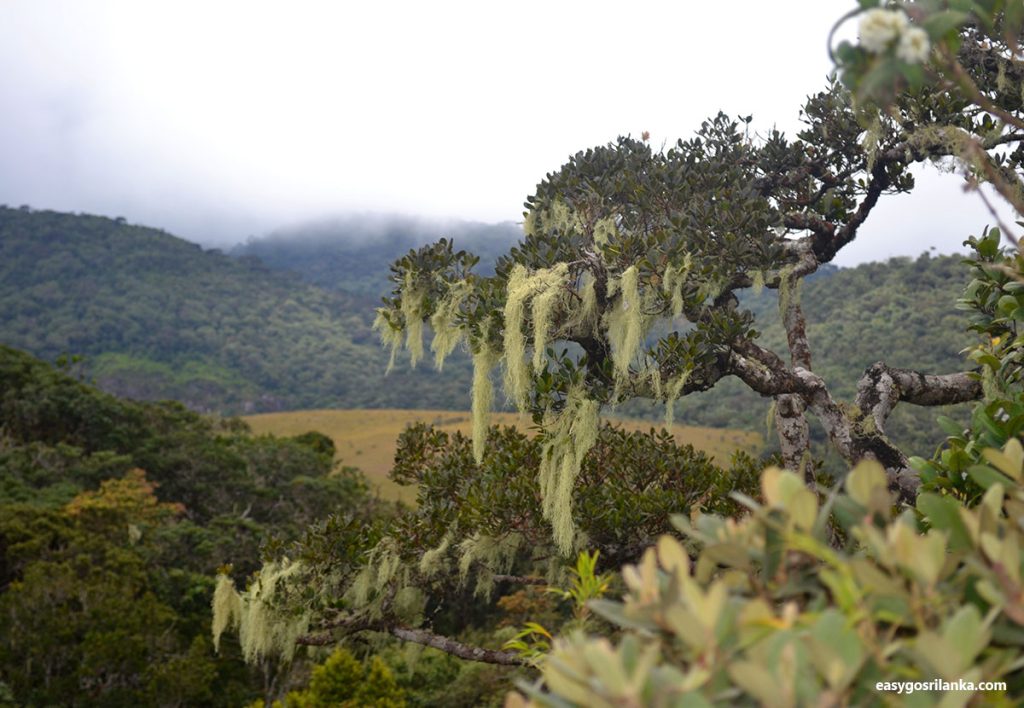
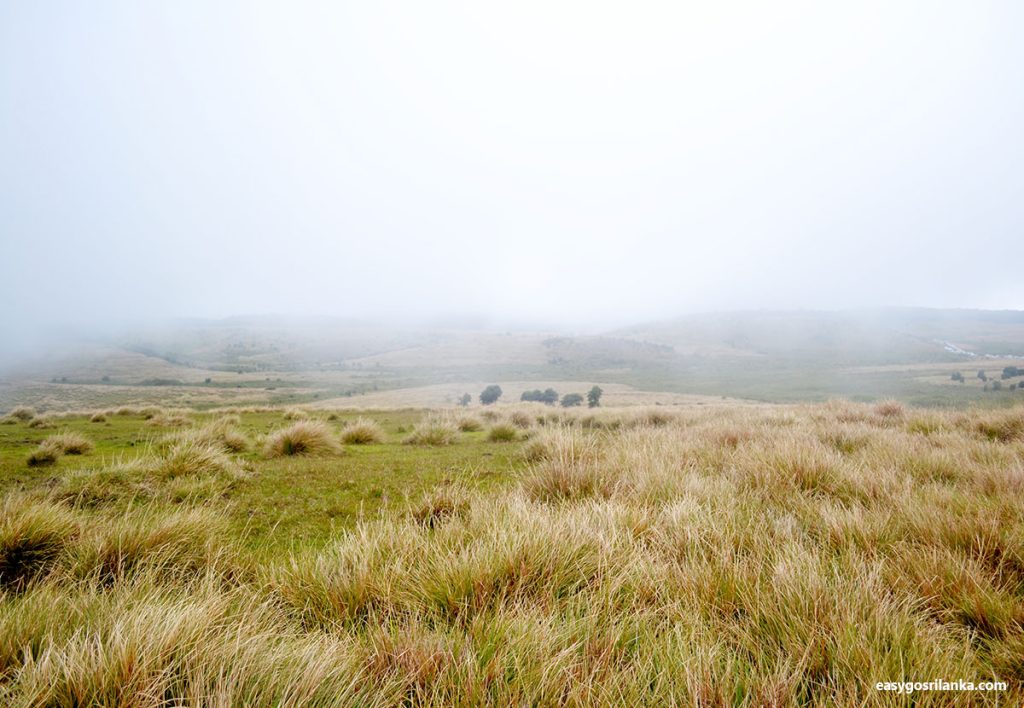
Horton Plains is a rare landscape where rolling montane grasslands merge seamlessly with dense cloud forests. The grasslands stretch across open plains, dotted with shrubs and low mist, while the forests thrive in cool, damp conditions with twisted trees, moss-covered branches, and filtered sunlight. This unique ecosystem supports a delicate balance of moisture, temperature, and biodiversity found nowhere else in Sri Lanka. Walking through these shifting environments feels like moving between two worlds—open sky and enclosed forest—each offering its own rhythm, light, and atmosphere shaped by the high-altitude climate.

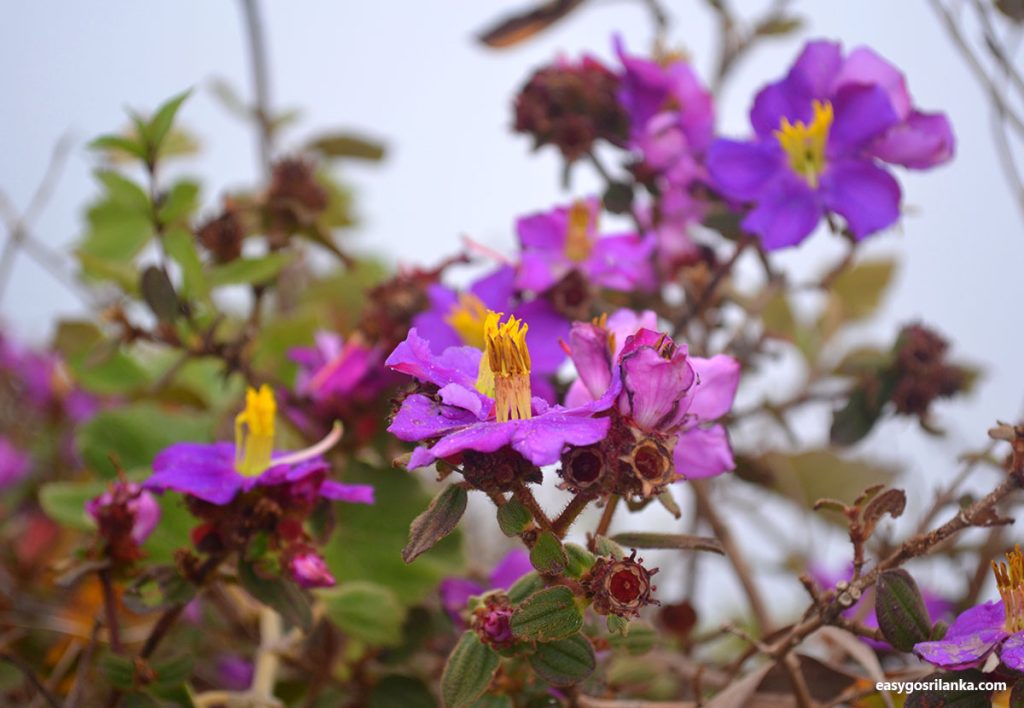
“High-altitude cloud forest – supports rare mosses and orchids. Do not touch or collect plants.”

Endemic Flora and Fauna

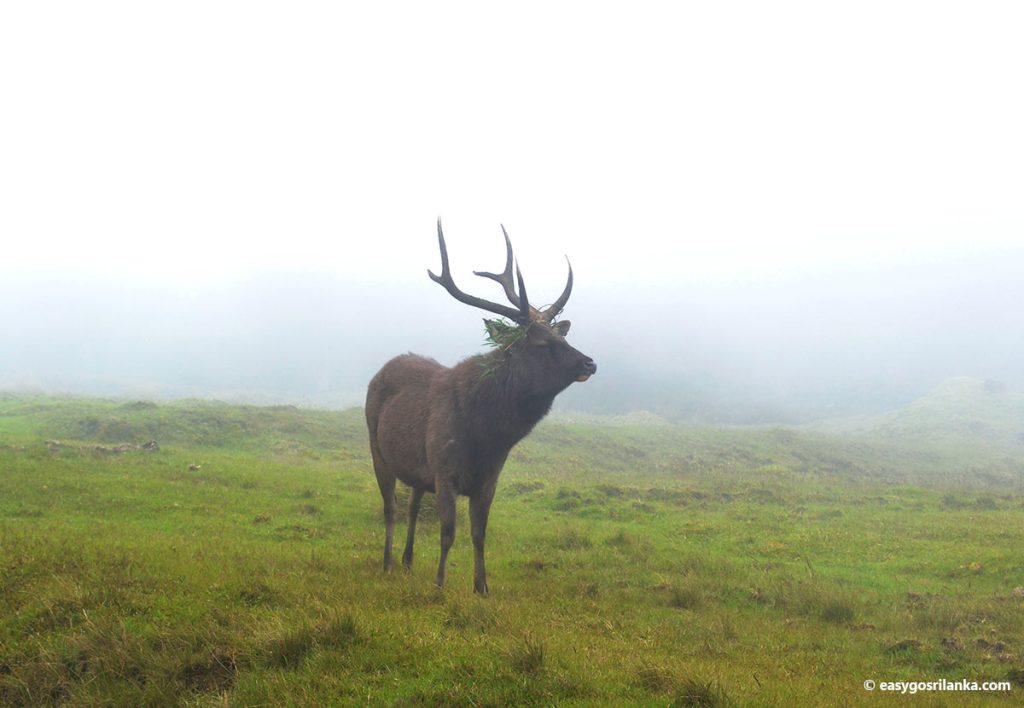
Horton Plains is one of Sri Lanka’s most important centers for endemic species. The park is home to rare plants, orchids, and medicinal herbs found nowhere else on the island. Wildlife includes the elusive Sri Lankan Sambar deer, purple-faced langur, giant squirrel, and a remarkable variety of endemic birds such as the Sri Lanka whistling thrush. Reptiles, butterflies, and amphibians thrive within the cool, mist-covered habitats. This exceptional biodiversity makes Horton Plains not just a scenic destination, but a living sanctuary that plays a vital role in Sri Lanka’s ecological heritage.

“Home to species found nowhere else on Earth. Feeding or disturbing animals is strictly prohibited.”

Nearest Destinations

  • Ohiya – 8 km / 20 minutes
  • Nuwara Eliya – 32 km / 1 hour
  • Pattipola – 12 km / 30 minutes
  • Baker’s Falls – Inside park
  • Belihuloya – 40 km / 1.5 hour

How to Reach Dambulla Cave Temple

By Road

From Nuwara Eliya, travel via Ambewela–Pattipola road. The journey offers scenic hill-country views and takes about one hour.

By Train

Take a train on the Main Line to Ohiya or Pattipola, then continue by taxi to the park entrance.

Guidelines & Rules

  • Entry allowed only during early morning hours
  • No plastic items allowed inside the park
  • Do not feed wildlife
  • Stay on designated trails
  • No smoking or open fires
  • Carry back all waste

Best Time to Visit

The best time to visit Horton Plains is January to March for clear views and minimal rain. Early morning visits (before 9 AM) are recommended to avoid mist at World’s End.

Practical Travel Tips

  • Start your visit early morning
  • Carry warm clothing due to cold temperatures
  • Wear trekking shoes
  • Bring drinking water and snacks
  • Avoid visiting during heavy rain
  • Hire a guide if unfamiliar with hiking trails

FAQs

How long does the Horton Plains hike take?

The full loop takes about 3–4 hours.

Is hiking difficult?

Moderate difficulty, suitable for most fitness levels.

Are children allowed?

Yes, under parental supervision.

Is Horton Plains wheelchair accessible?

No, due to rugged terrain.

Categories
Heritage and history

Dambulla Cave Temple

What Can I Expect from Dambulla Cave Temple?

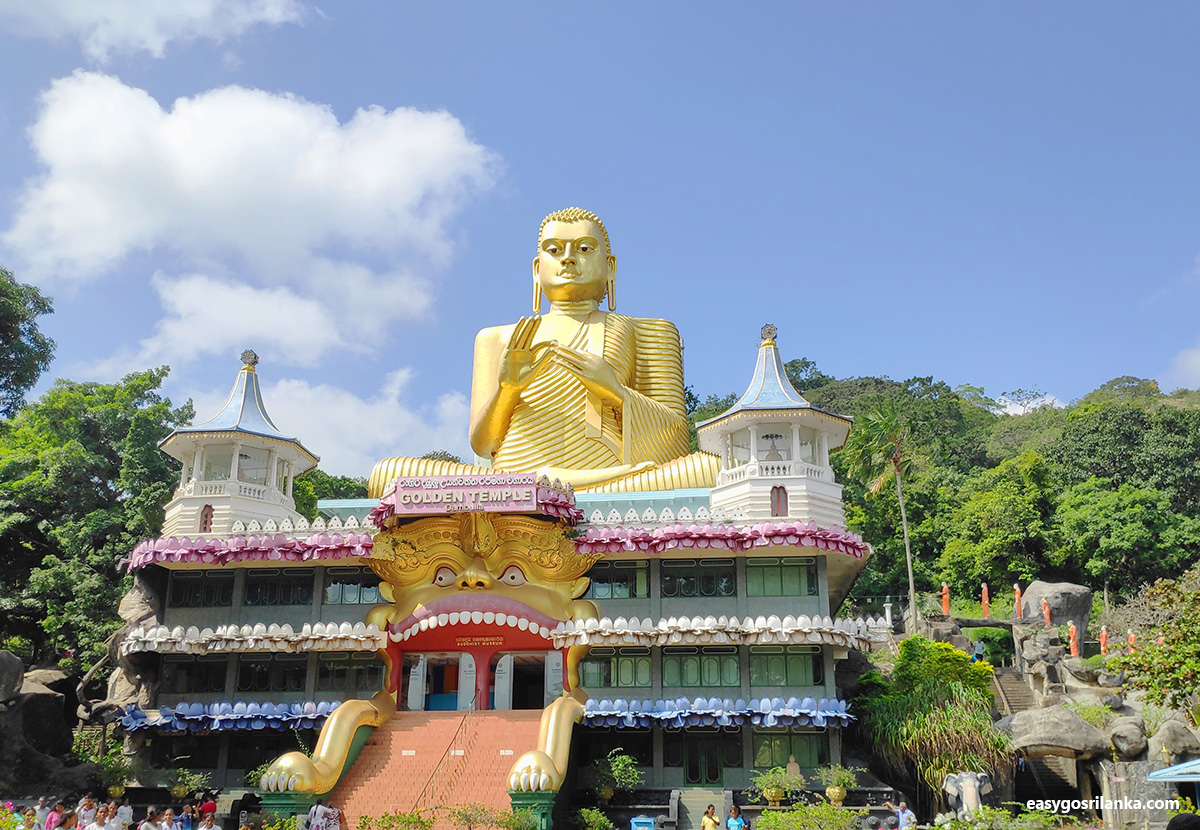
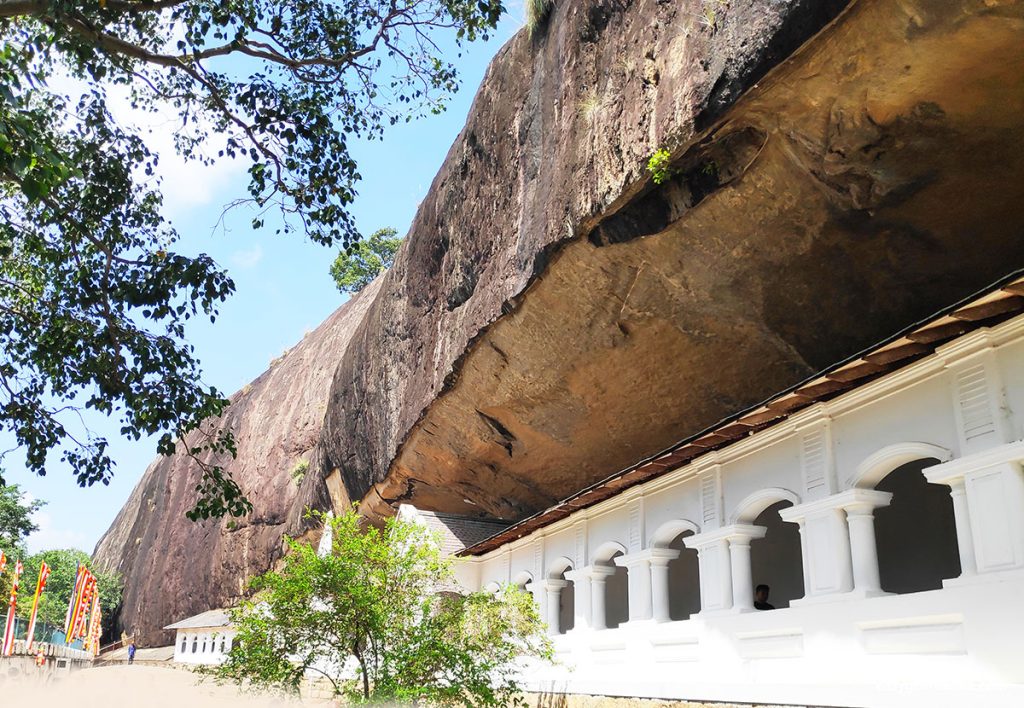
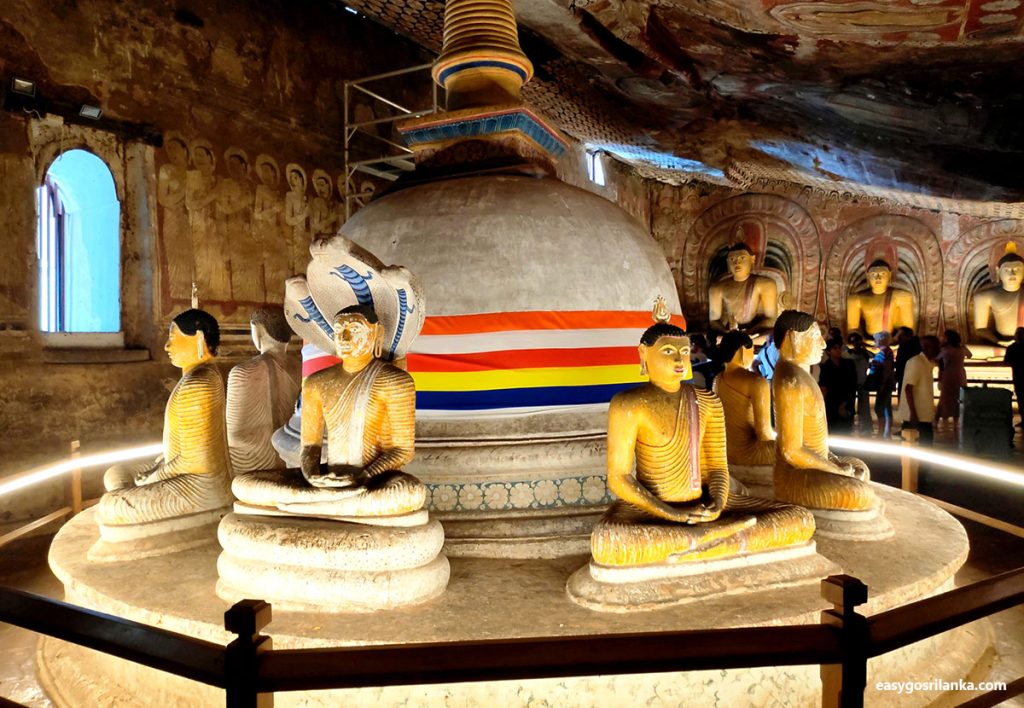
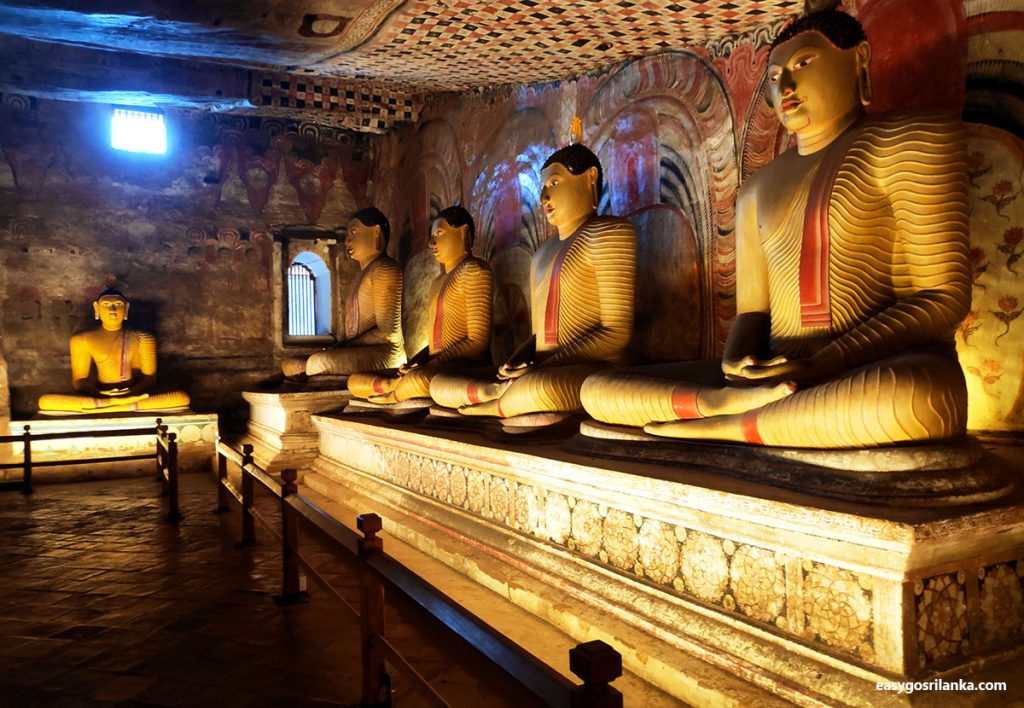
Expect a rewarding blend of cultural discovery and scenic beauty. The climb leads you through peaceful forest paths to a complex of five main caves adorned with statues and murals. Inside, the calm ambiance, incense-filled air, and ancient artistry create a powerful spiritual experience.

My Must Have Guides For Traveling

Everything you neeed to know about traveling.

Things to See and Do

Must-See Highlights

  • Devaraja Viharaya (Cave of the Divine King)
  • Maharaja Viharaya (Great Kings’ Temple)
  • Maha Alut Viharaya
  • Pacchima & Devana Alut Viharayas
  • Reclining Buddha statue

Experiences & Activities

  • Guided heritage walk through the caves
  • Sunset viewpoints from the rock summit
  • Photography of cave art and landscapes
  • Prayer and flower offerings
  • Cultural triangle tour combinations

Offbeat/Hidden Gems

  • Lower rock forest paths
  • Quiet meditation spots near the temple
  • Village markets around Dambulla town

Cave of the Divine King

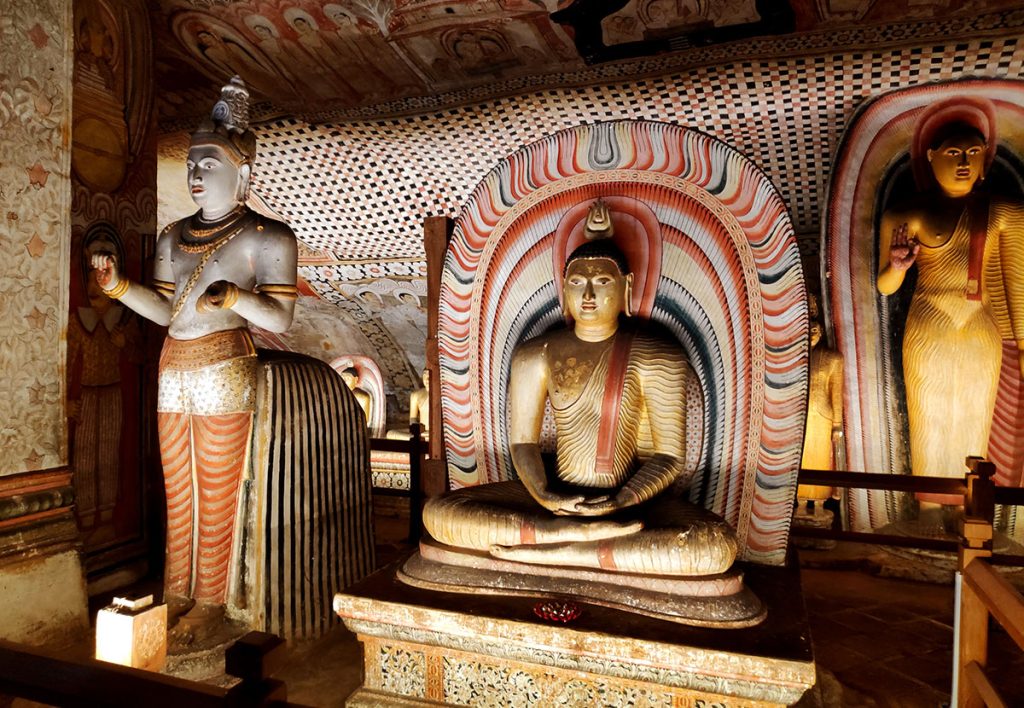
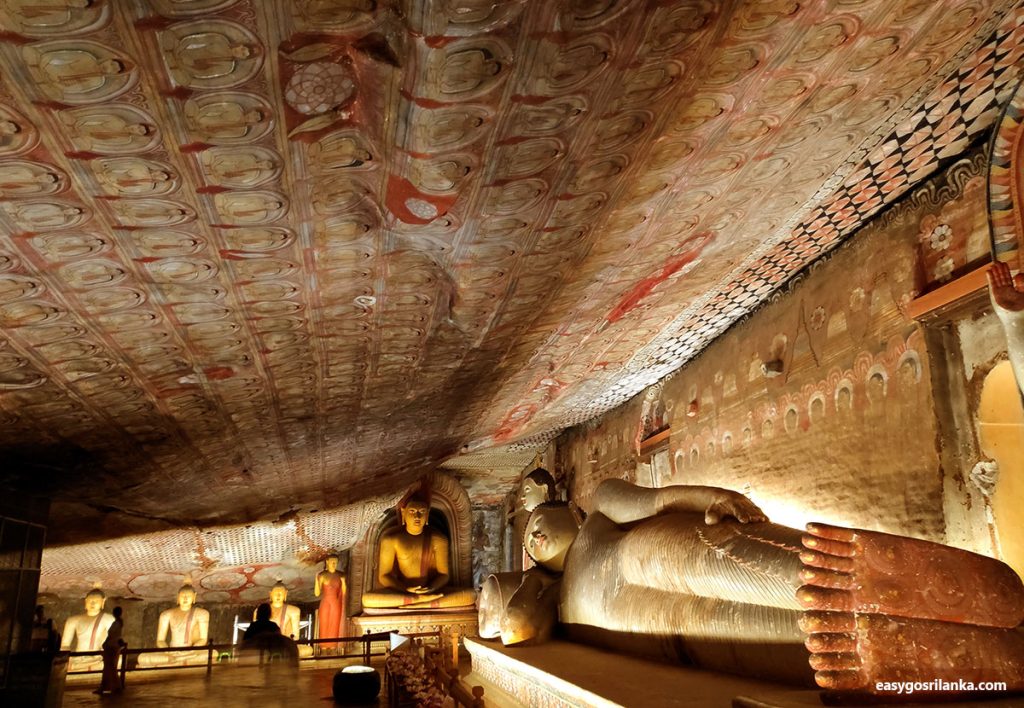
The Cave of the Divine King, known as Devaraja Viharaya, is the oldest and most sacred chamber of the Dambulla Cave Temple complex. Believed to date back to the 1st century BC, this cave houses a magnificent 14-meter reclining Buddha statue carved directly from the living rock. At the Buddha’s feet stands a statue of King Valagamba, who is credited with transforming these caves into a temple after regaining his throne. A natural spring trickles from the ceiling throughout the year, regarded by devotees as sacred water. The quiet stillness, ancient stone textures, and soft natural light create an atmosphere of deep serenity that leaves a lasting spiritual impression on every visitor.

Nearest Destinations

  • Sigiriya Rock Fortress – 17 km / 30 minutes
  • Pidurangala Rock – 19 km / 35 minutes
  • Habarana – 20 km / 30 minutes
  • Minneriya National Park – 25 km / 45 minutes
  • Polonnaruwa – 72 km / ~1.5 hours

How to Reach Dambulla Cave Temple

By Road

Dambulla is located on the A9 highway and is easily accessible from Colombo, Kandy, Trincomalee, and Anuradhapura. The temple entrance is a short tuk-tuk ride from Dambulla town.

By Bus

Frequent buses operate along the Kandy–Trincomalee and Colombo–Anuradhapura routes, stopping directly in Dambulla.

By Train

Travel to Habarana Railway Station, then continue to Dambulla by taxi or bus.

Guidelines & Rules

  • Modest dress is required
  • Shoes must be removed before entering
  • Photography restricted in certain caves
  • Maintain silence and respectful behavior
  • No flash photography on artwork
  • No littering

Best Time to Visit

The best time to visit is January to September during dry weather. Early morning or late afternoon visits offer cooler temperatures and fewer crowds.

Practical Travel Tips

  • Visit early morning to avoid crowds
  • Carry socks for warm stone floors
  • Avoid midday heat during the climb
  • Respect monkeys around the temple entrance
  • Combine visit with Sigiriya or Minneriya safari

FAQs

How many caves are open to visitors?

Five main caves are accessible.

Is the climb difficult?

Moderate, with stone steps and railings.

Are guides available?

Yes, licensed local guides are available at the entrance.

Is Dambulla suitable for children?

Yes, with adult supervision.

Categories
Heritage and history

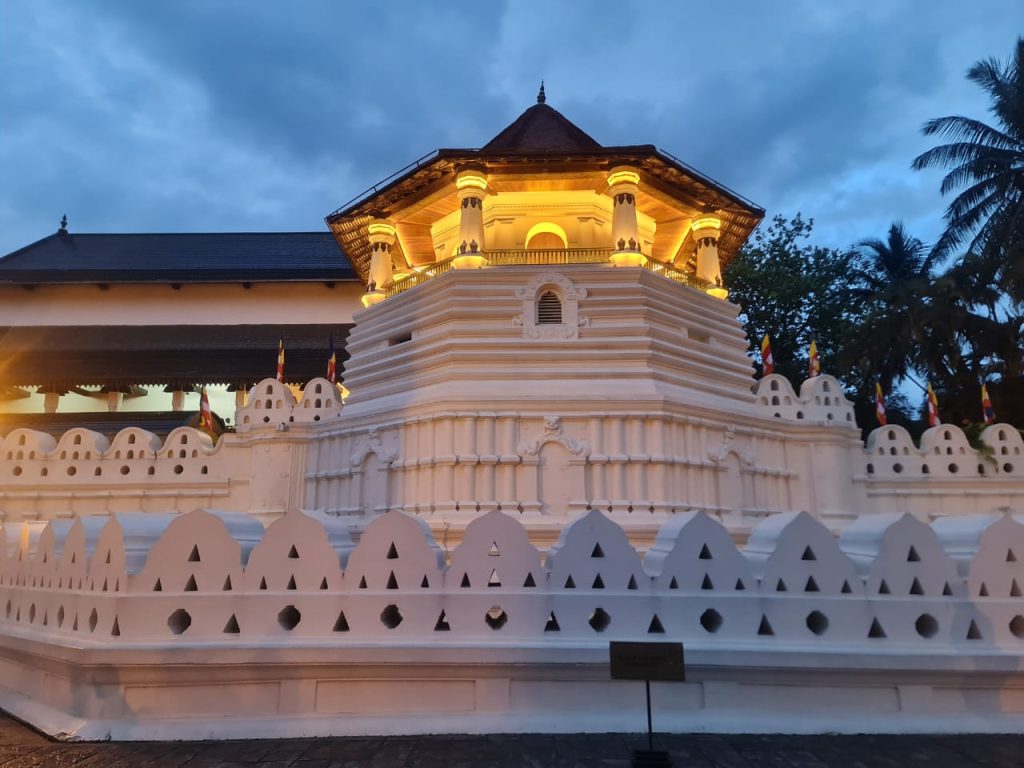
The Temple of the Sacred Tooth Relic

What Can I Expect from the Temple of the Sacred Tooth Relic?

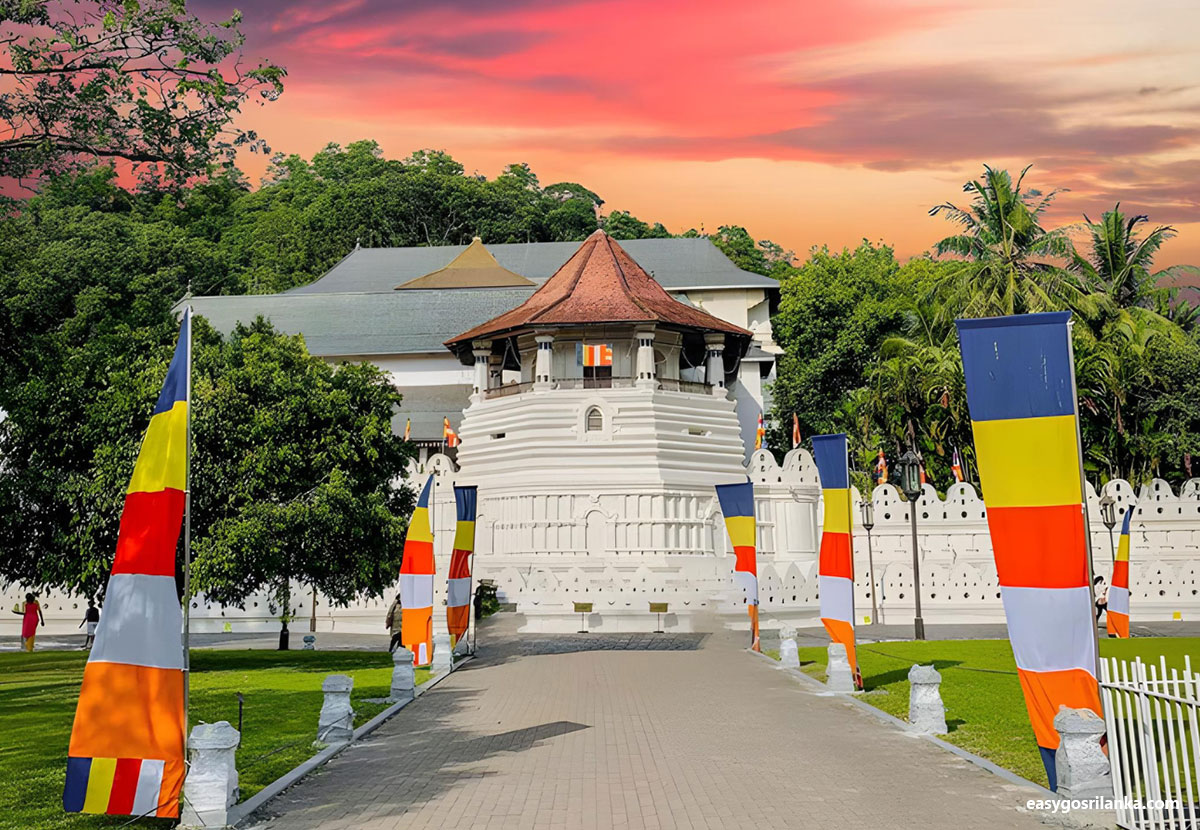
Expect a deeply spiritual and culturally rich experience. You will witness daily rituals, hear the rhythm of traditional drums, see devoted pilgrims in prayer, and explore centuries-old Kandyan architecture. The atmosphere is serene yet powerful, offering insight into Sri Lanka’s living Buddhist heritage.

My Must Have Guides For Traveling

Everything you neeed to know about traveling.

Things to See and Do

Must-See Highlights

  • Sacred Tooth Relic Chamber
  • Golden Canopy (Vadahitina Maligawa)
  • Octagon (Paththirippuwa)
  • Temple Museum
  • Sacred drumming rituals
  • Kandy Lake surroundings

Experiences & Activities

  • Attend morning or evening Thewava (rituals)
  • Offer flowers at prayer halls
  • Explore temple museums
  • Walk around Kandy Lake
  • Join cultural evenings in Kandy

Offbeat/Hidden Gems

  • International Buddhist Museum
  • Royal Palace complex next to the temple
  • Quiet meditation areas during non-peak hours

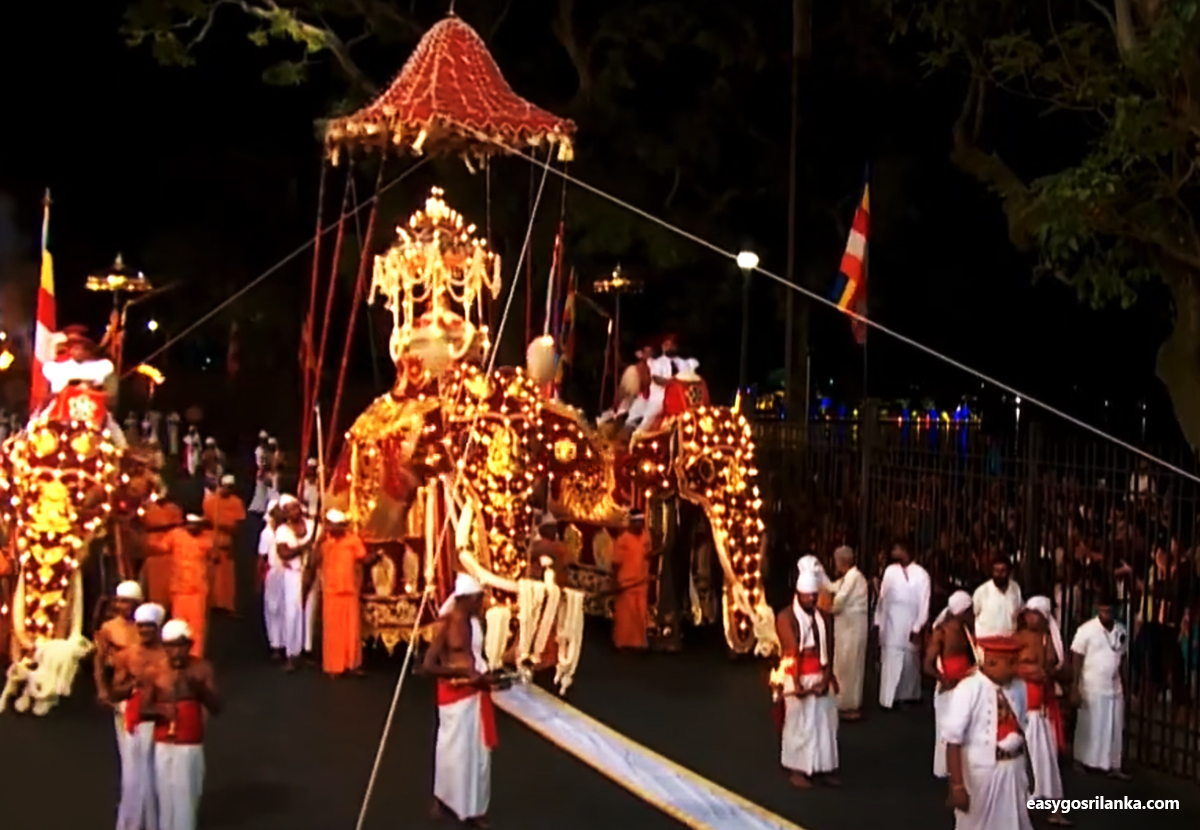
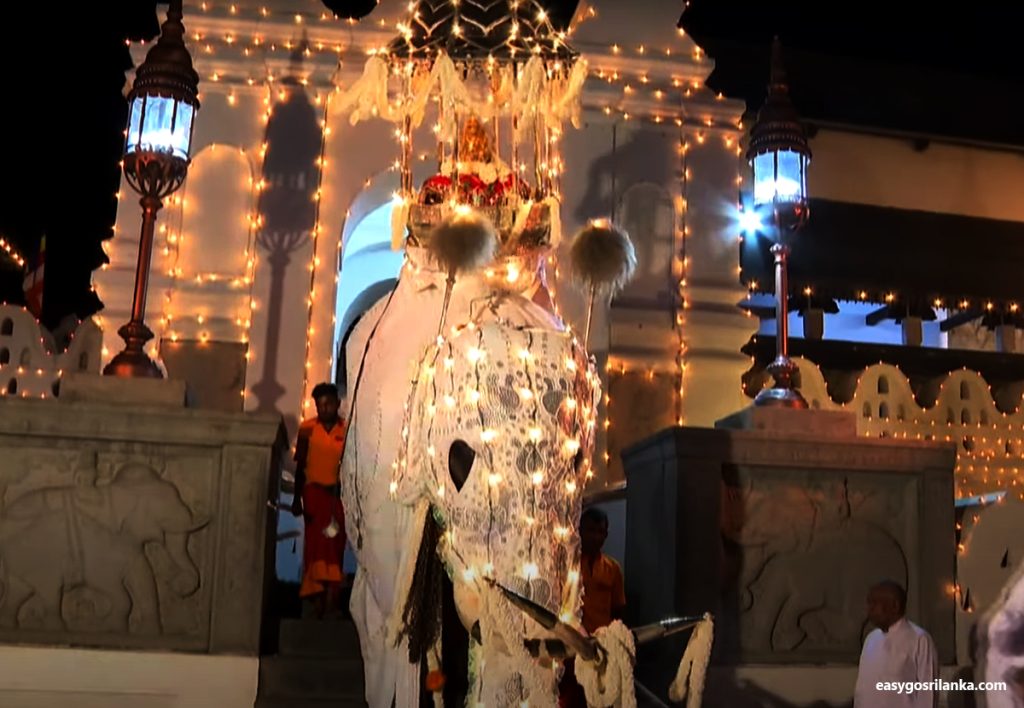
Esala Perahera Festival

The Esala Perahera is Kandy’s most magnificent festival, held each year to honor the Sacred Tooth Relic. For ten vibrant nights, the city comes alive with richly dressed elephants, traditional dancers, fire acts, and powerful drums in a breathtaking display of culture and devotion.

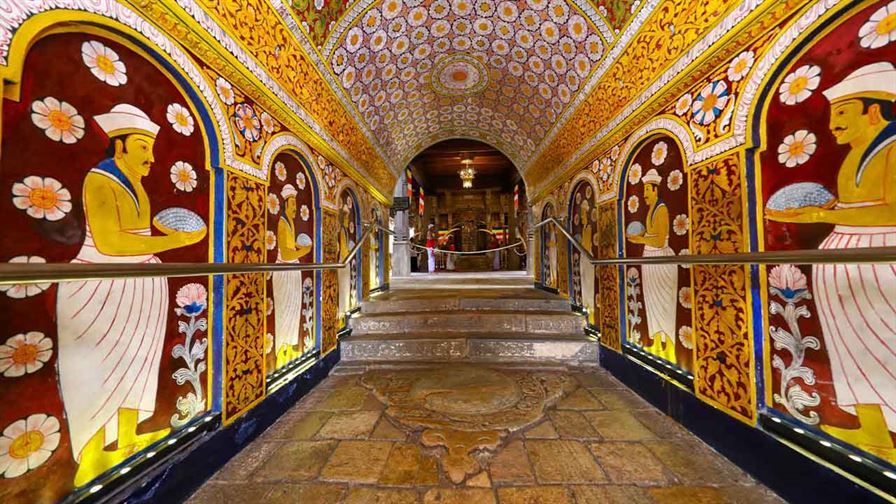
Tooth Relic Chamber

The sacred Tooth Relic Chamber is the spiritual heart of the temple, where the revered relic is enshrined within a series of golden caskets. Devotees gather here daily to offer flowers and prayers amid rhythmic drumming, incense, and a deeply moving atmosphere of faith.

Nearest Destinations

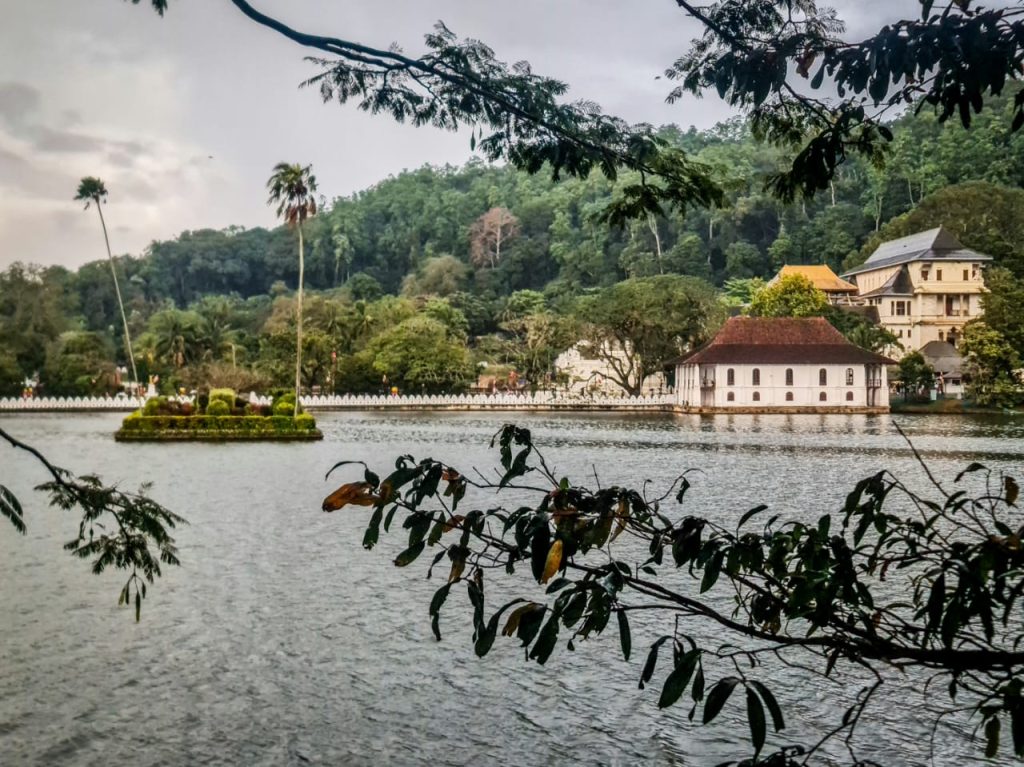
  • Kandy Lake – 0.1 km / Walking distance
  • Royal Palace of Kandy – 0.2 km / 2 minutes
  • International Buddhist Museum – 0.3 km / 3 minutes
  • Udawatta Kele Sanctuary – 2 km / 10 minutes
  • Peradeniya Botanical Gardens – 6 km / 20 minutes

How to Reach the Temple of the Sacred Tooth Relic

By Road

Kandy is well connected by A-class highways from Colombo, Nuwara Eliya, and Dambulla. From Kandy town, the temple is within walking distance or a short tuk-tuk ride.

By Train

Take a train to Kandy Railway Station, located about 1.5 km from the temple. From there, tuk-tuks and taxis are easily available.

Guidelines & Rules

  • Modest dress required (cover shoulders & knees)
  • Shoes must be removed before entering
  • Photography restricted inside relic chambers
  • No loud behavior or inappropriate conduct
  • No plastic bags inside the temple
  • Follow security checks and instructions

Best Time to Visit

The temple can be visited year-round. The best time is early morning (9–10 AM) or evening (6–7 PM) during daily rituals. July–August is especially vibrant during the Esala Perahera festival.

Practical Travel Tips

  • Visit during non-peak hours for a peaceful experience
  • Carry socks for walking on hot temple floors
  • Avoid weekends and Poya days if crowd-sensitive
  • Keep valuables secured during rituals
  • Combine visit with Royal Palace and Kandy Lake

FAQs

Can foreigners see the Tooth Relic?

The relic itself is kept inside a golden casket and is not directly visible.

Is photography allowed inside?

Photography is allowed in outer areas but restricted inside inner chambers.

How long does a visit take?

Typically 1–2 hours depending on crowds.

Is the temple child-friendly?

Yes, with proper supervision.

Categories
Heritage and history

Adisham Bungalow

What Can I Expect from Adisham Bungalow?

Expect a calm, scenic, and culturally rich experience. Adisham offers beautifully preserved colonial architecture, quiet monastery surroundings, misty mountain weather, and panoramic views of tea plantations. It’s ideal for slow travelers, photographers, and those seeking peaceful heritage exploration.

My Must Have Guides For Traveling

Everything you neeed to know about traveling.

Things to See and Do

Must-See Highlights

  • Adisham monastery and mansion interior
  • English-style landscaped gardens
  • Antique furniture and stone hallways
  • Panoramic viewpoints over Haputale

Experiences & Activities

  • Guided heritage tours
  • Garden walks and photography
  • Tea estate viewpoint visits
  • Spiritual retreats and meditation
  • Scenic drives through Haputale hills

Offbeat/Hidden Gems

  • Forest trails around Adisham grounds
  • Quiet sunrise viewpoints nearby
  • Local village tea picking experiences

As of now, it looks like your favorite park will remain

As of now, it looks like your favorite park will remain open throughout 2023! While visitors may be familiar with the park usually being closed in September, no such decision to close the park this year has been made. Any decision to close the park, if at all, will be if a severe drought occurs. So, let’s hope for the best!

As of now, it looks like your favorite park will remain

As of now, it looks like your favorite park will remain open throughout 2023! While visitors may be familiar with the park usually being closed in September, no such decision to close the park this year has been made. Any decision to close the park, if at all, will be if a severe drought occurs. So, let’s hope for the best!

Nearest Destinations

  • Haputale Town – 3.5 km / 10 minutes
  • Lipton’s Seat – 17 km / 45 minutes
  • Dambatenne Tea Factory – 16 km / 40 minutes
  • Diyaluma Falls – 26 km / 1 hour
  • Ella Town – 26 km / 1 hour

How to Reach Nine Arches Bridge

By Road

From Haputale town, take the Haputale–Adisham road. A short uphill drive of about 10 minutes leads directly to the entrance. Tuk-tuks and taxis are easily available.

By Train

Travel on the scenic Kandy–Ella railway line and get down at Haputale Railway Station, then continue by tuk-tuk or taxi.

Guidelines & Visitor Rules

  • Dress modestly inside the monastery
  • Photography restrictions indoors
  • Maintain silence in prayer areas
  • No littering within premises
  • Follow staff instructions
  • Limited access during religious activities

Best Time to Visit

The best time to visit Adisham Bungalow is January to April and July to September, when weather is cooler with minimal rain and clear hill-country views.

Practical Travel Tips

  • Carry light jackets as weather is cool
  • Visit before mid-day mist sets in
  • Wear comfortable walking shoes
  • Avoid visiting during heavy rain
  • Plan visit together with Lipton’s Seat
  • Respect monastery silence rules

FAQs

Is Adisham Bungalow still a monastery?

Yes, it is currently run by Benedictine monks.

Can I stay overnight at Adisham?

Monastic stays are limited and must be pre-arranged.

Is Adisham suitable for children?

Yes, but children should be supervised.

How long does the visit take?

About 45 minutes to 1 hour.

Categories
Adventure and specific interests

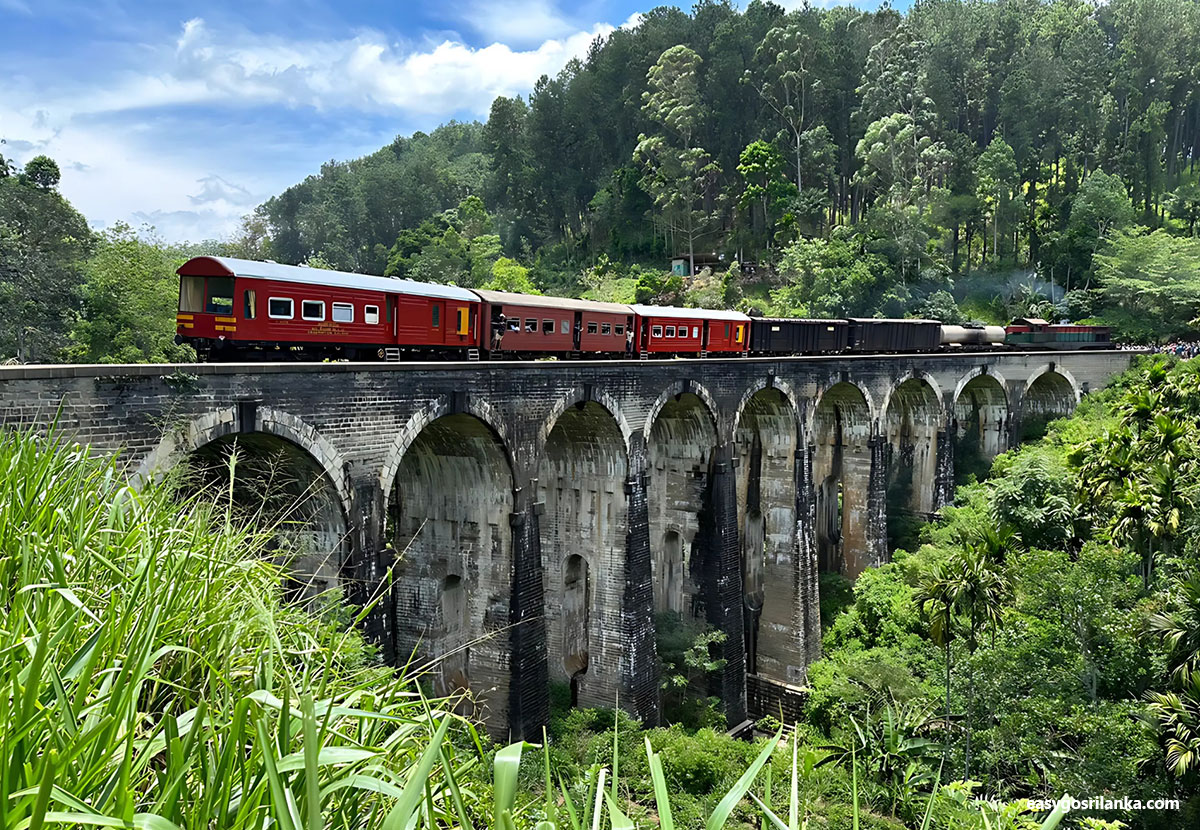
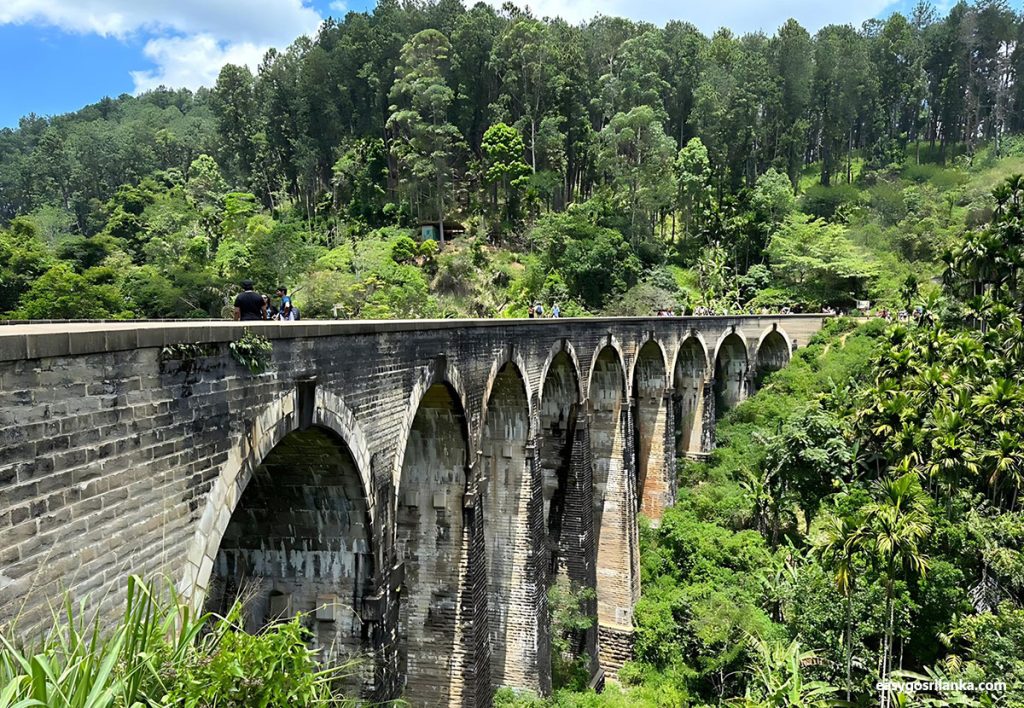
Nine Arches Bridge

What Can I Expect from Nine Arches Bridge?

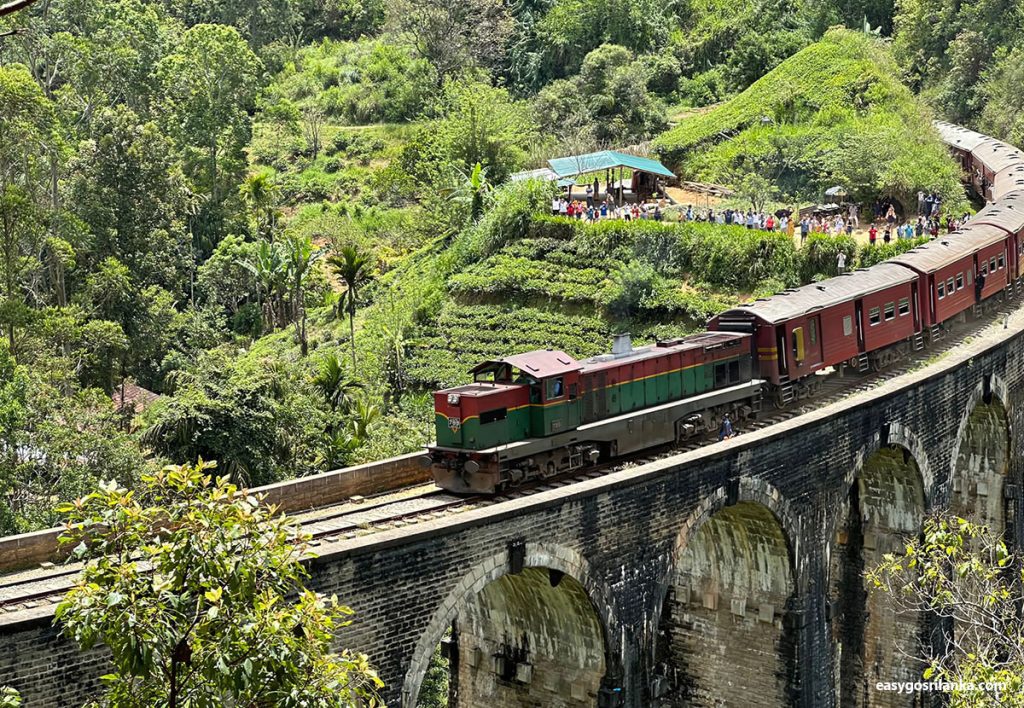
Expect a scenic, relaxed experience surrounded by lush greenery and cool mountain air. The bridge offers stunning photography opportunities, peaceful walking trails, and the magical moment when a train passes over the arches. It’s ideal for nature lovers, couples, and content creators.

My Must Have Guides For Traveling

Everything you neeed to know about traveling.

Things to See and Do

Must-See Highlights

  • Nine stone arches and curved bridge structure
  • Train crossing over the bridge
  • Forested valley views
  • Sunrise and sunset scenery

Experiences & Activities

  • Photography sessions
  • Nature walks around Ella
  • Café hopping with bridge views
  • Short hikes from Ella town
  • Train spotting

Offbeat/Hidden Gems

  • Lower valley viewpoints
  • Tea estate walking paths
  • Local village trails near the bridge

As of now, it looks like your favorite park will remain

As of now, it looks like your favorite park will remain open throughout 2023! While visitors may be familiar with the park usually being closed in September, no such decision to close the park this year has been made. Any decision to close the park, if at all, will be if a severe drought occurs. So, let’s hope for the best!

As of now, it looks like your favorite park will remain

As of now, it looks like your favorite park will remain open throughout 2023! While visitors may be familiar with the park usually being closed in September, no such decision to close the park this year has been made. Any decision to close the park, if at all, will be if a severe drought occurs. So, let’s hope for the best!

Nearest Destinations

  • Ella Town – 2 km / 10 minutes
  • Little Adam’s Peak – 3 km / 15 minutes
  • Ravana Falls – 6 km / 20 minutes
  • Demodara Loop – 7 km / 25 minutes
  • Ella Rock – 4 km / 30 minutes (hike)

How to Reach Nine Arches Bridge

By Road

From Ella town, travel by tuk-tuk to Gotuwala village and walk 10–15 minutes through jungle paths and tea estates to reach the bridge.

By Train

Travel on the iconic Kandy–Ella railway line and get down at Ella Station, then continue by tuk-tuk or footpath.

Guidelines & Visitor Rules

  • Do not walk on the bridge when a train is approaching
  • Follow local safety signs
  • Keep noise minimal
  • Avoid littering
  • Respect nearby homes and plantations
  • Avoid risky photography poses on the tracks

Best Time to Visit

The best time to visit is January to May for clearer skies. Early morning (6–9 AM) is perfect for soft light and fewer crowds. Late afternoon offers beautiful golden tones as the train passes.

Practical Travel Tips

  • Check train schedules in advance
  • Wear comfortable walking shoes
  • Visit early morning to avoid crowds
  • Keep water with you
  • Avoid slippery paths after rain
  • Use a zoom lens for train photos safely

FAQs

Can I walk on the bridge?

Yes, but always exit the track well before a train arrives.

Is the bridge suitable for children?

Yes, with close adult supervision.

How many trains pass daily?

Usually 6–10 trains depending on the day.

Is sunrise or sunset better?

Both are beautiful, but sunrise is less crowded.

Categories
Heritage and history

Sigiriya

What Can I Expect from Sigiriya?

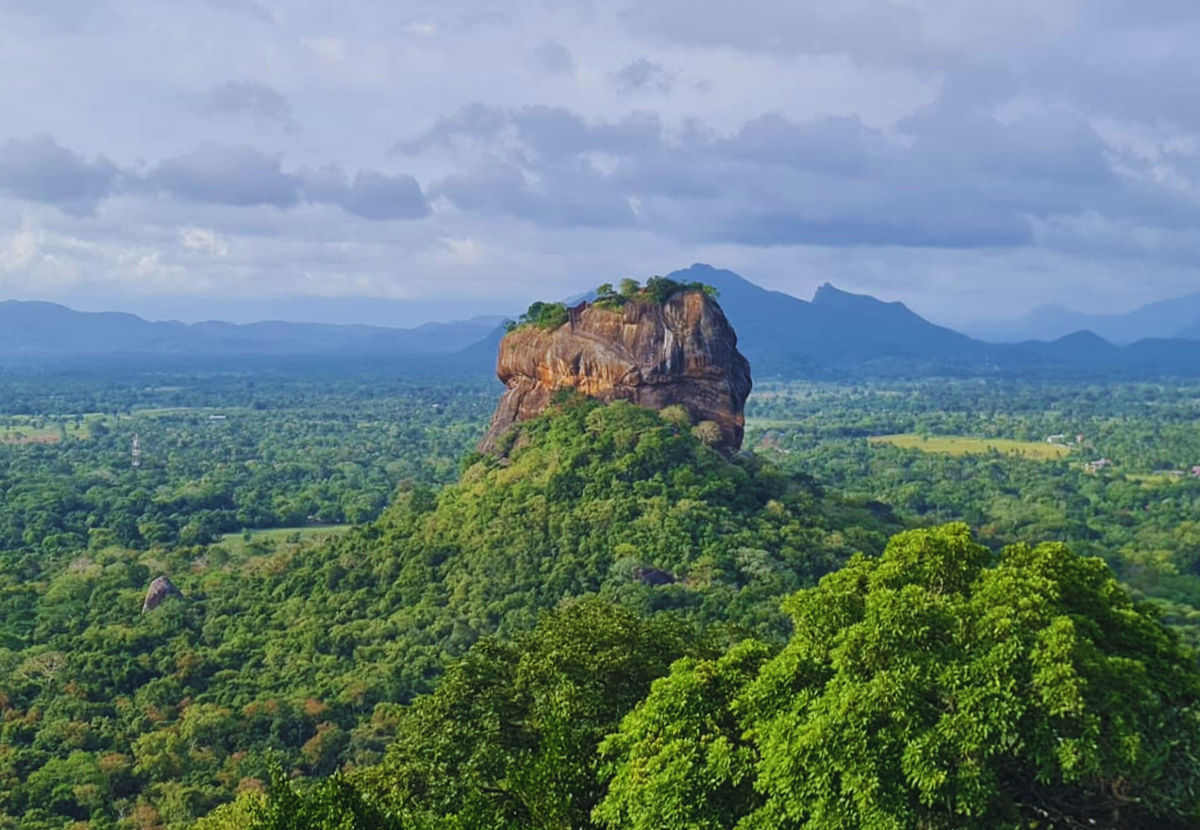
Expect a powerful blend of adventure, culture, and scenic beauty. A climb to the summit rewards you with panoramic views, while the surrounding area offers ancient tanks, village life, and wildlife encounters. Sigiriya is both physically engaging and deeply enriching, ideal for history lovers, photographers, and curious travelers alike.

My Must Have Guides For Traveling

Everything you neeed to know about traveling.

Things to See and Do

Must-See Attractions

  • Sigiriya Rock Fortress summit
  • Lion’s Paw Entrance
  • Mirror Wall
  • Sigiriya Frescoes
  • Royal Gardens & Water Gardens
  • Boulder Gardens

Experiences & Activities

  • Sunrise or sunset climb
  • Guided archaeological tours
  • Cultural village tours
  • Cycling around Sigiriya village
  • Wildlife spotting in nearby parks

Offbeat/Hidden Gems

  • Pidurangala Rock viewpoint
  • Sigiriya Tank nature walks
  • Local pottery and craft villages

Sigiriya Rock Fortress Summit

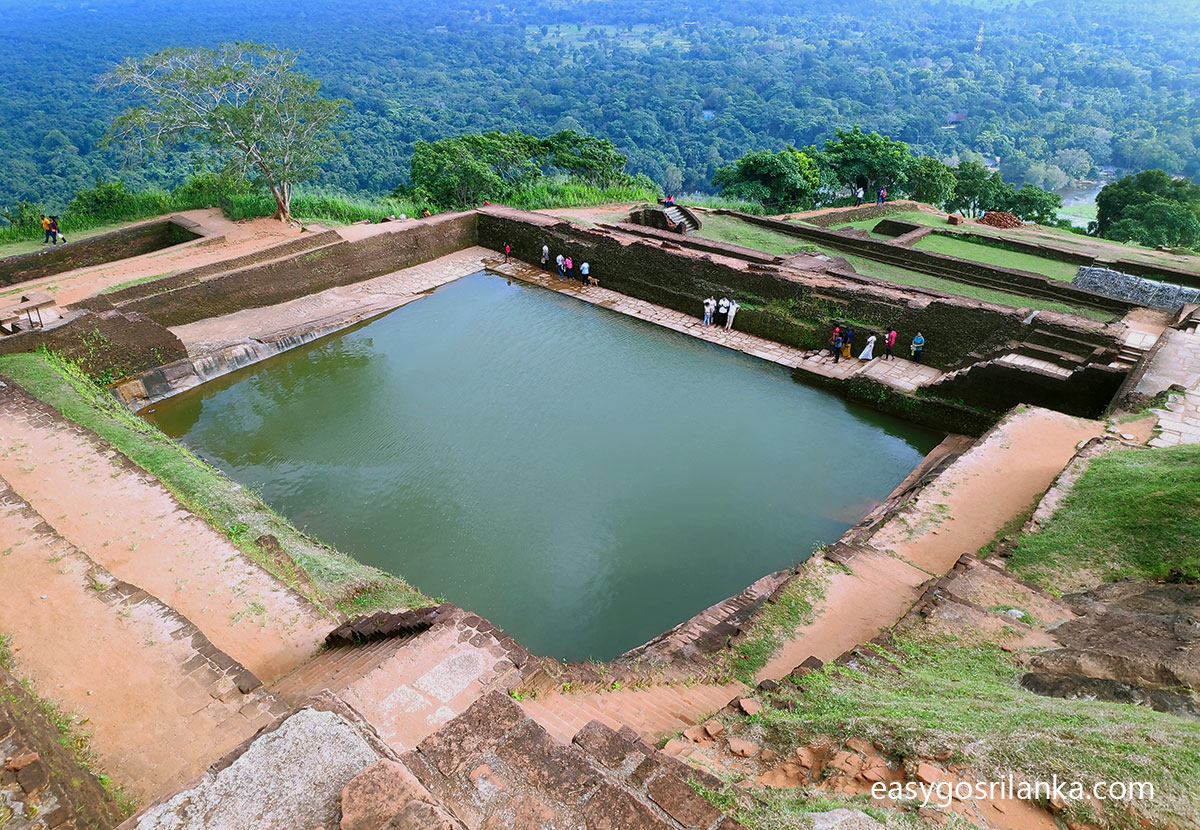
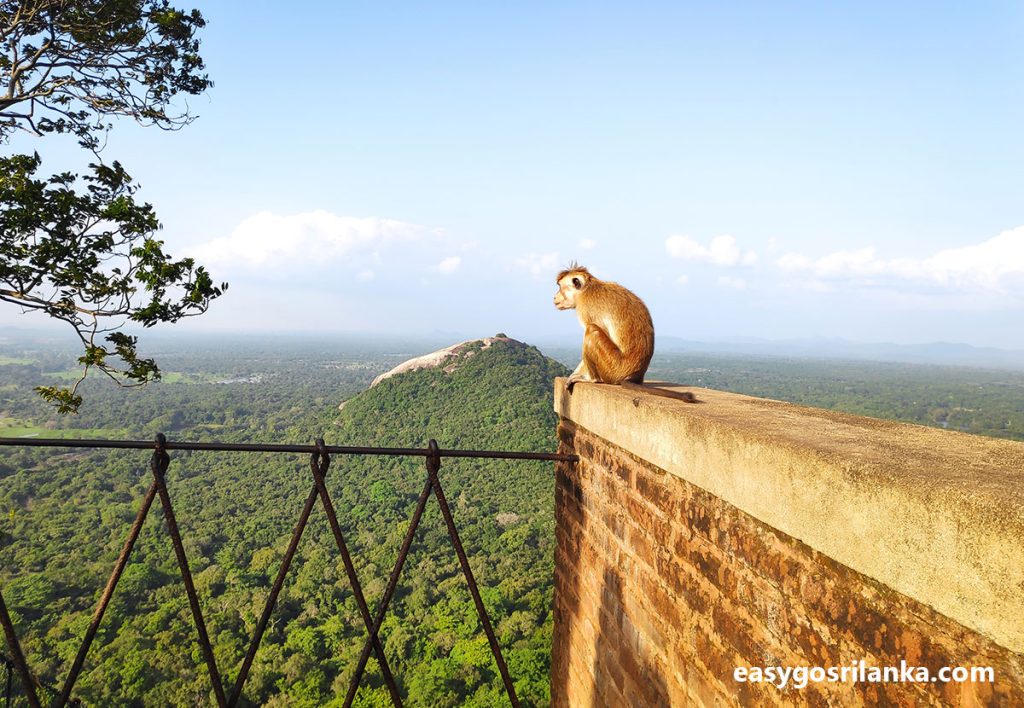
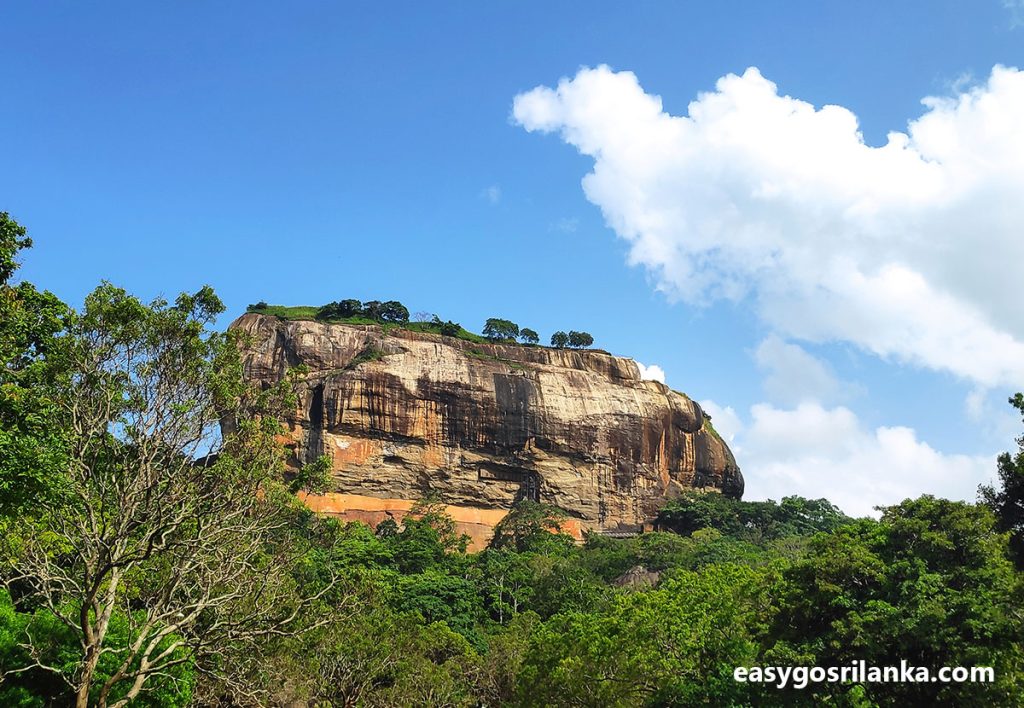
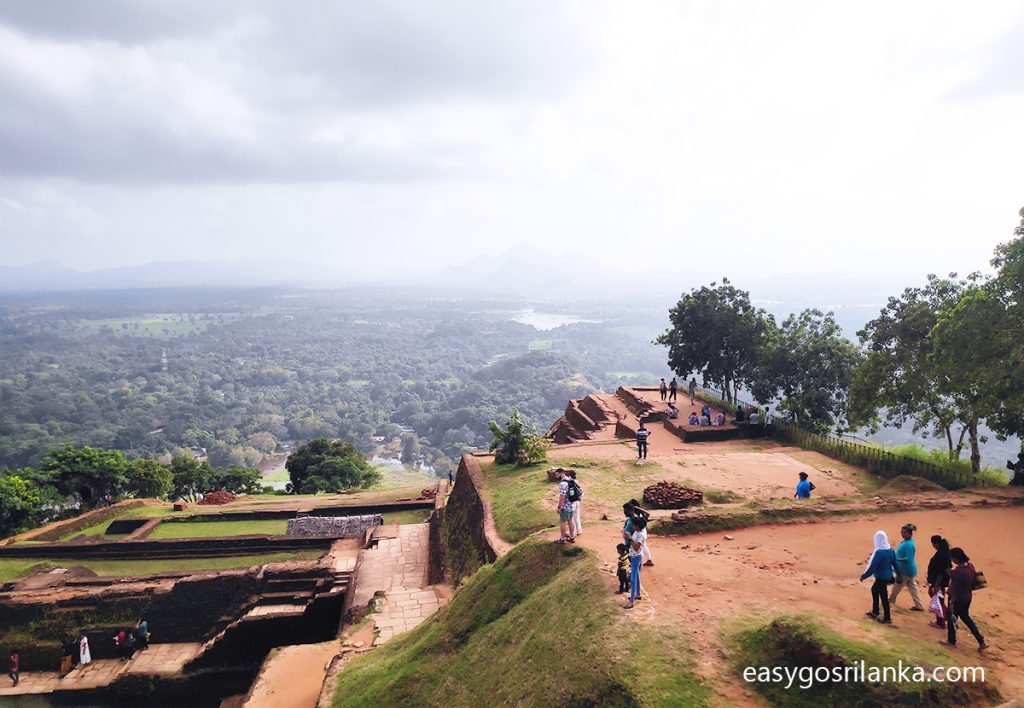
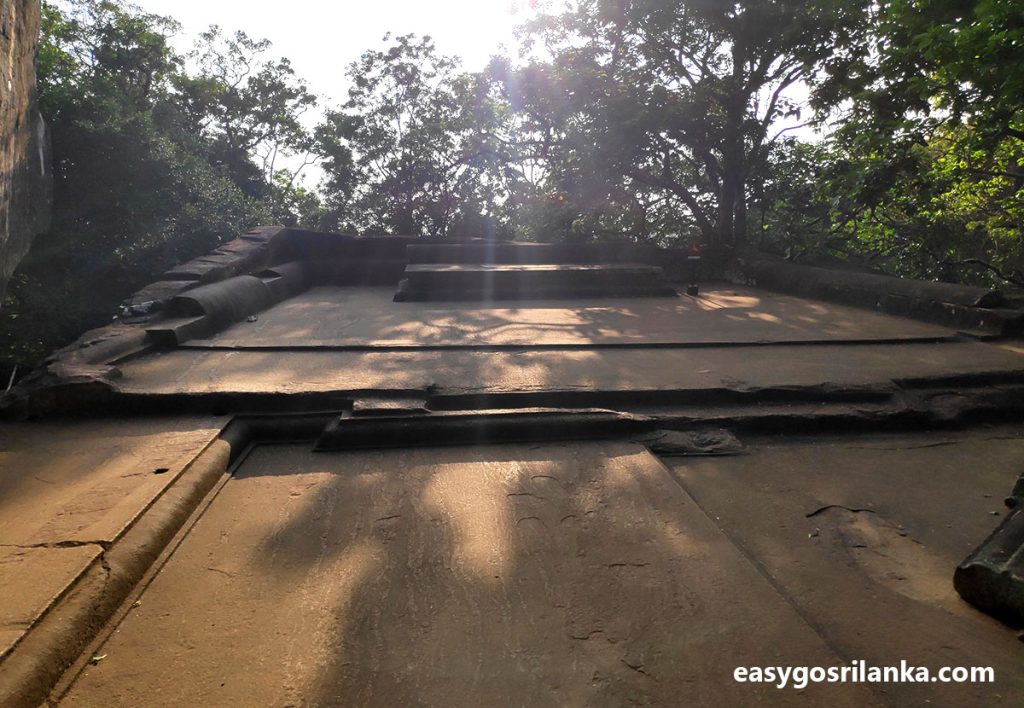
Reaching the summit of Sigiriya rewards you with sweeping views of forests, lakes, and distant mountains. The plateau reveals the ruins of King Kashyapa’s ancient palace—stone foundations, royal pools, and breathtaking lookout points that make the climb truly unforgettable.

Royal Gardens & Water Gardens

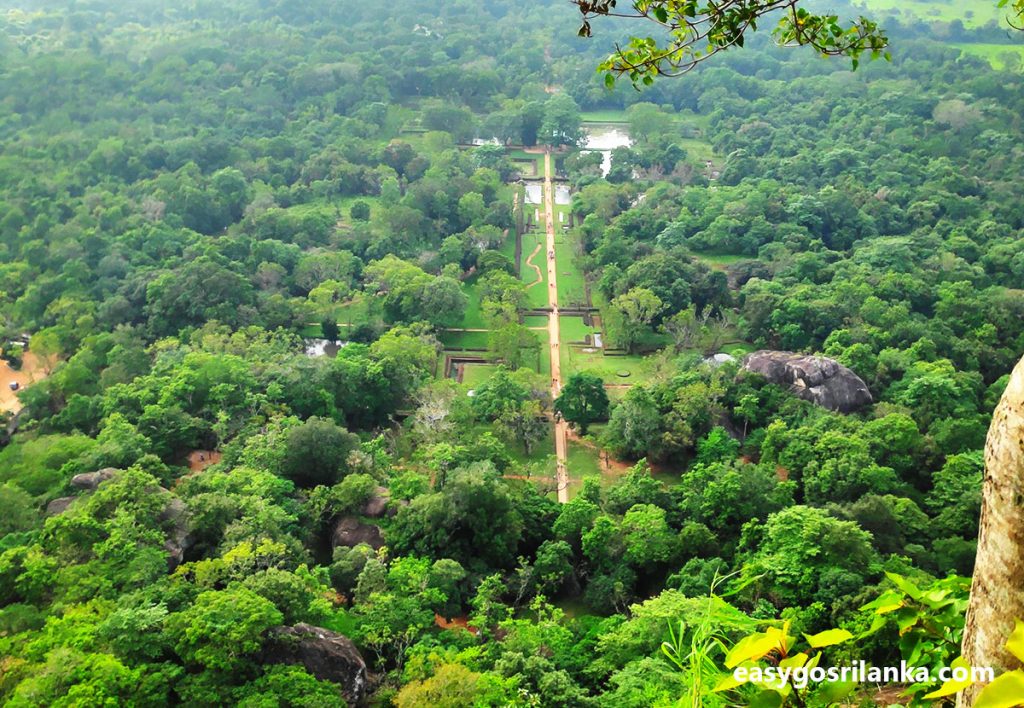
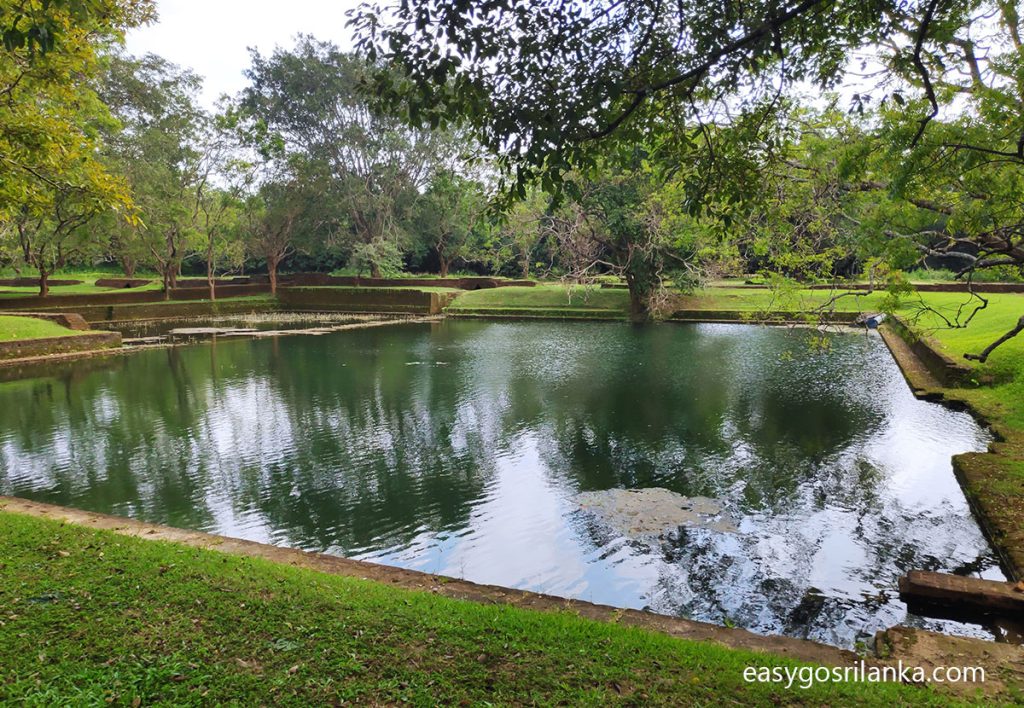
At the foot of the rock, Sigiriya’s Royal and Water Gardens display remarkable engineering with pools, fountains, terraces, and landscaped pathways. These symmetrical gardens showcase the sophistication of ancient hydraulic design and create a peaceful start to your journey

Lion’s Paw Entrance

Halfway up Sigiriya, the grand Lion’s Paw Entrance marks the dramatic gateway to the final ascent. Once the base of a colossal stone lion, only the massive carved paws remain, guiding visitors through a timeless passage that blends artistry, power, and ancient imagination.

Nearest Destinations

  • Pidurangala – 3 km / 10 minutes
  • Habarana – 15 km / 25 minutes
  • Dambulla Cave Temple – 17 km / 30 minutes
  • Minneriya National Park – 25 km / 45 minutes
  • Polonnaruwa – 60 km / ~1.5 hours

How to Reach Sigiriya

By Road

Sigiriya is about 170 km from Colombo. Travel via Kurunegala – Dambulla route. Well-connected highways and A-grade roads make driving comfortable.

By Train

Take a train to Habarana or Dambulla, then continue by taxi or tuk-tuk to Sigiriya.

By Air (Domestic)

Domestic flights are available to Sigiriya Airstrip or Habarana via scenic air taxi services.

Guidelines & Rules

  • Wear suitable footwear for climbing
  • No touching of frescoes
  • No littering or graffiti
  • Follow one-way climbing routes
  • Photography restrictions in certain areas
  • Respect archaeological regulations

Best Time to Visit

The best time to visit Sigiriya is January to September with clear skies and minimal rain. Early mornings or late afternoons are ideal to avoid heat and crowds.

Practical Travel Tips

  • Start climbing before 10 AM to avoid heat
  • Carry water and sun protection
  • Wear non-slip shoes
  • Avoid climbing during heavy rain
  • Combine visit with Pidurangala viewpoint for sunset
  • Respect monkeys and do not feed them

FAQs

How long does it take to climb Sigiriya?

Around 1.5–2 hours including stops.

Is the climb difficult?

Moderate difficulty with metal staircases in steeper sections.

Are children allowed?

Yes, with adult supervision.

Is Sigiriya a UNESCO World Heritage Site?

Yes, it was declared in 1982.